


 Judge Dismisses Sam Altman Sexual Abuse Lawsuit, But Sister Can Refile
  Elon Musk Confirms SpaceX, xAI, and Tesla Will Continue Large-Scale Nvidia Chip Orders
  Global Flight Cancellations 2026: Middle East Air Travel Chaos Explained
  Air Canada Express Crash at LaGuardia: Controller Distracted by Prior Emergency
  Nintendo Switch 2 Production Cut as Holiday Sales Miss Targets
  Trump White House Unveils National AI Policy Framework for Congress
  Meta Ties Executive Pay to Aggressive Stock Price Targets in Major Retention Push
  Federal Judge Blocks Pentagon's Blacklisting of AI Company Anthropic
  OpenAI Pulls the Plug on Sora, Ending $1 Billion Disney Partnership
  SMIC Allegedly Supplies Chipmaking Tools to Iran's Military, U.S. Officials Warn
  Nanya Technology Shares Surge 10% After $2.5 Billion Private Placement from Sandisk and Cisco
  Palantir's Maven AI Earns Pentagon "Program of Record" Status, Reshaping Military AI Strategy
  Rio Tinto's Resolution Copper Mine: U.S. Smelting Challenges and Global Operations Update
  Innate Pharma Reports 55% Revenue Drop and €49.2M Net Loss for 2025
  SK Hynix Eyes Up to $14 Billion U.S. IPO to Fund AI Chip Expansion
  Citi Names Eric Farina and Rob Cascarino to Lead Global Infrastructure Financing Group
  Cyberattack on Stryker Triggers U.S. Government Warning Over Microsoft Intune Security


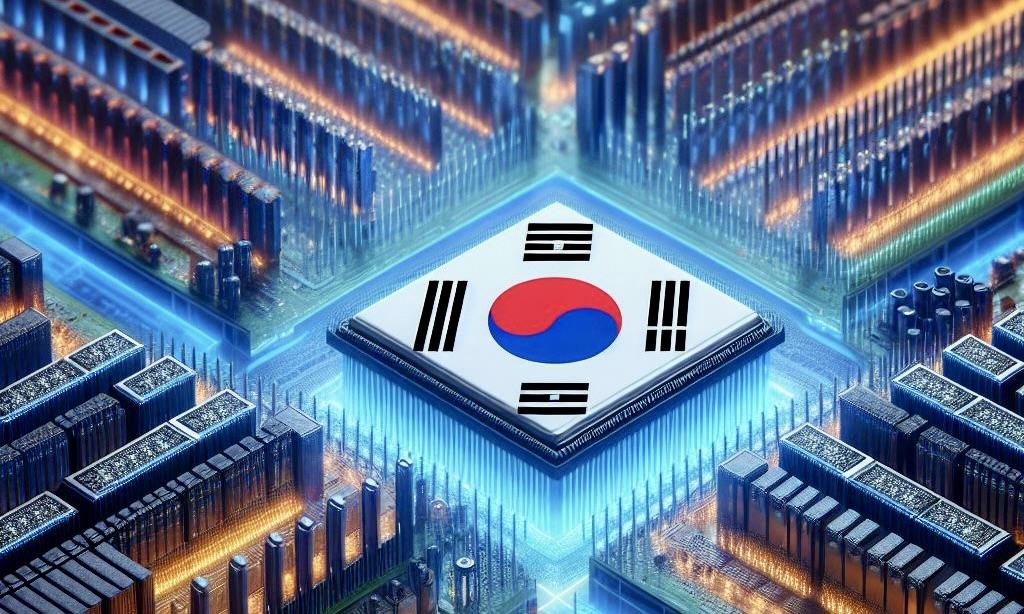
South Korea's government, under Finance Minister Choi Sang-mok, announced a robust $7 billion support package aimed at propelling the country to the forefront of the global semiconductor industry.
Detailing the $7 Billion Support Package for Chip Industry
According to Reuters, South Korea's finance minister said on Sunday that the country is preparing a support package for chip investments and research worth more than 10 trillion won ($7.30 billion) after deciding to win a "war" in the semiconductor business.
Finance Minister Choi Sang-mok stated that the government would soon provide specifics of the package, which targets chip materials, equipment manufacturers, and fabless companies across the semiconductor supply chain.
According to a statement from the finance ministry, Choi told executives from local chip equipment companies at a conference that the program may involve policy loans and the establishment of a new fund backed by state and private financial institutions.
South Korea's Strategic Development of Yongin Mega Chip Cluster
South Korea is also developing a mega chip cluster in Yongin, south of Seoul, which it claims is the world's largest high-tech facility. With promises of investment tax breaks, President Yoon Suk Yeol has pledged to use all available means to win the "war" in chips.
According to the Semiconductor Industry Association (via Sammy Fans), the industry predicts a significant global semiconductor manufacturing landscape shift. By 2032, South Korea's semiconductor manufacturing is expected to outpace Taiwan's, positioning the country as the second-largest manufacturer globally.
Global Market Forecast: South Korea's Chip Industry by 2032
By 2032, South Korea's semiconductor output is expected to rise by 129%, according to the analysis. This is the second-highest growth rate behind the US (203%), while it is anticipated that China (86%), Japan (86%), Taiwan (97%), and Europe (124%), will all lag behind South Korea.
In 2032, South Korea's semiconductor output is anticipated to represent 19% of the worldwide semiconductor market. This is after China, which had 21%, but ahead of Taiwan, which had 17%, and the US, which had 14%. It increased by 2% from its 2022 share of 17%.
Photo: Microsoft Bing







