


 Oil Prices Slide on US-Iran Talks, Dollar Strength and Profit-Taking Pressure
  Gold Prices Slide Below $5,000 as Strong Dollar and Central Bank Outlook Weigh on Metals
  South Korea’s Weak Won Struggles as Retail Investors Pour Money Into U.S. Stocks
  Bank of Japan Signals Readiness for Near-Term Rate Hike as Inflation Nears Target
  South Korea Assures U.S. on Trade Deal Commitments Amid Tariff Concerns
  RBI Holds Repo Rate at 5.25% as India’s Growth Outlook Strengthens After U.S. Trade Deal
  Dollar Steadies Ahead of ECB and BoE Decisions as Markets Turn Risk-Off
  U.S. Stock Futures Slide as Tech Rout Deepens on Amazon Capex Shock
  Trump’s Inflation Claims Clash With Voters’ Cost-of-Living Reality
  China Extends Gold Buying Streak as Reserves Surge Despite Volatile Prices
  Gold and Silver Prices Rebound After Volatile Week Triggered by Fed Nomination
  Silver Prices Plunge in Asian Trade as Dollar Strength Triggers Fresh Precious Metals Sell-Off
  U.S.-India Trade Framework Signals Major Shift in Tariffs, Energy, and Supply Chains
  Vietnam’s Trade Surplus With US Jumps as Exports Surge and China Imports Hit Record
  Thailand Inflation Remains Negative for 10th Straight Month in January
  Japan Economy Poised for Q4 2025 Growth as Investment and Consumption Hold Firm


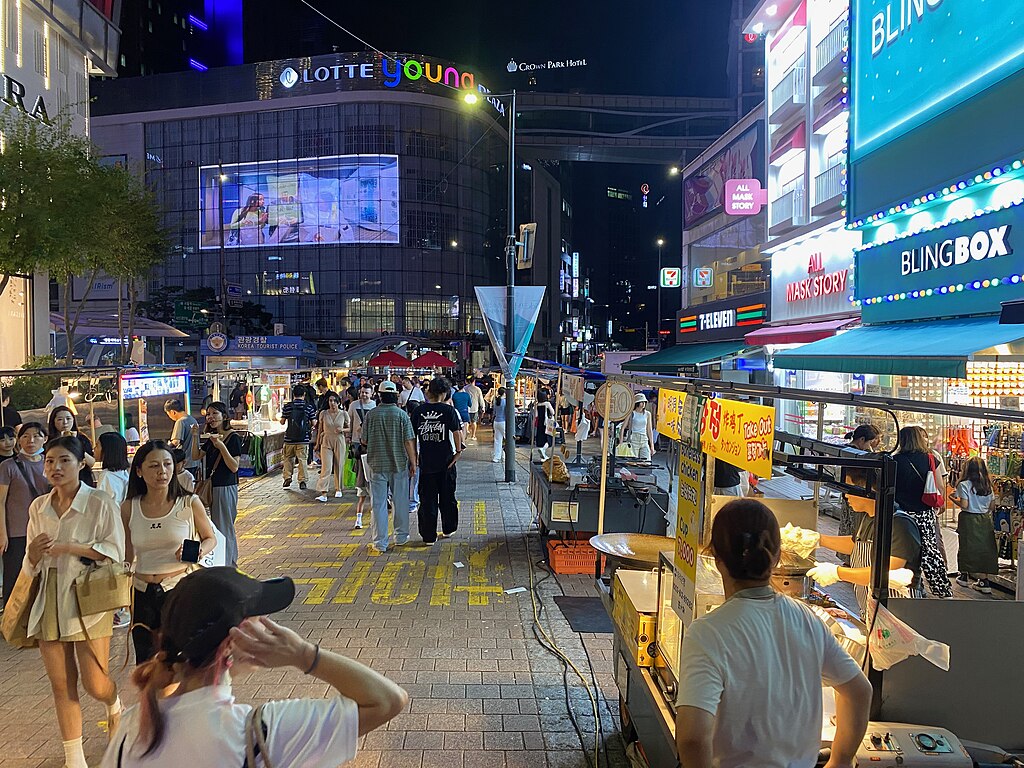
South Korea’s consumer inflation showed signs of steady momentum at the end of the year, as official data indicated that prices continued to rise largely in line with market expectations. According to figures released by Statistics Korea on Wednesday, the country’s consumer price index increased by 2.3% in December compared with the same month a year earlier. This result matched the median forecast of economists, reinforcing expectations that inflationary pressures remain relatively stable despite ongoing global economic uncertainty.
On a month-on-month basis, consumer prices rose by 0.3% in December. This exceeded economists’ expectations of a 0.2% increase, suggesting that short-term price pressures were slightly stronger than anticipated. The monthly gain reflects persistent cost increases across several sectors, including services and food-related items, even as global energy prices showed mixed trends toward the end of the year.
Looking at the broader picture, South Korea’s headline inflation rate for the whole of 2025 stood at 2.1%. This level is close to the central bank’s medium-term inflation target, offering policymakers some reassurance that price growth is not spiraling out of control. At the same time, inflation remaining above the 2% mark highlights the delicate balance the Bank of Korea must maintain between supporting economic growth and preventing renewed price pressures.
The latest inflation data comes at a time when global markets are closely watching monetary policy signals from major economies. For South Korea, stable but still-elevated consumer prices may influence future interest rate decisions, particularly as household debt levels and slowing global demand remain key concerns. Economists note that while inflation appears manageable, external risks such as currency fluctuations, geopolitical tensions, and changes in global commodity prices could still affect the inflation outlook in the months ahead.
Overall, the December inflation figures suggest that South Korea’s economy is navigating a relatively stable price environment, though vigilance will be required as policymakers assess how inflation trends evolve in 2026 and beyond.













