


 Ohio Man Indicted for Alleged Threat Against Vice President JD Vance, Faces Additional Federal Charges
  Sydney Braces for Pro-Palestine Protests During Israeli President Isaac Herzog’s Visit
  Trump Says “Very Good Talks” Underway on Russia-Ukraine War as Peace Efforts Continue
  Japan’s Prime Minister Sanae Takaichi Secures Historic Election Win, Shaking Markets and Regional Politics
  Trump Administration Appeals Court Order to Release Hudson Tunnel Project Funding
  Trump Slams Super Bowl Halftime Show Featuring Bad Bunny
  Bangladesh Election 2026: A Turning Point After Years of Political Suppression
  Jack Lang Resigns as Head of Arab World Institute Amid Epstein Controversy
  Bosnian Serb Presidential Rerun Confirms Victory for Dodik Ally Amid Allegations of Irregularities
  Trump Backs Nexstar–Tegna Merger Amid Shifting U.S. Media Landscape
  Ghislaine Maxwell to Invoke Fifth Amendment at House Oversight Committee Deposition
  Trump Congratulates Japan’s First Female Prime Minister Sanae Takaichi After Historic Election Victory
  Nicaragua Ends Visa-Free Entry for Cubans, Disrupting Key Migration Route to the U.S.
  Trump Lifts 25% Tariff on Indian Goods in Strategic U.S.–India Trade and Energy Deal
  Antonio José Seguro Poised for Landslide Win in Portugal Presidential Runoff
  New York Legalizes Medical Aid in Dying for Terminally Ill Patients
  U.S. Lawmakers to Review Unredacted Jeffrey Epstein DOJ Files Starting Monday


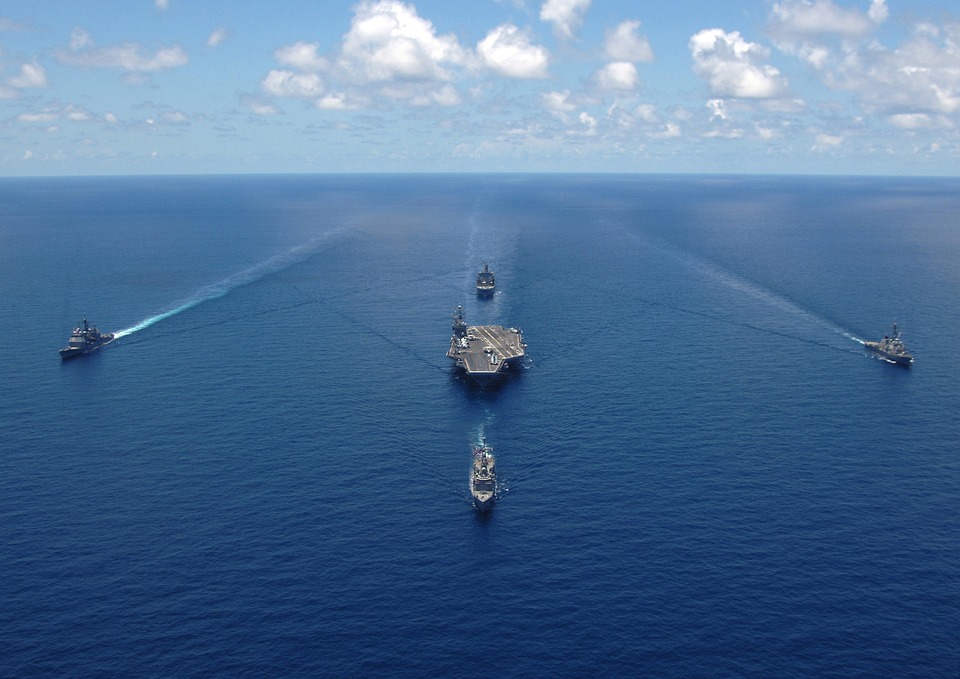
Tensions in the South China Sea continue to grow due to the increasing military presence from both Chinese forces and the surrounding countries and their allies in the west. The European Union recently called out Chinese President Xi Jinping for the attempts to disturb the peace in the hotly contested waters.
The European Union has now urged everyone involved in the dispute to adhere to the 2016 arbitration rejecting China’s claim of having sovereignty over almost the entire South China Sea. Beijing has since rejected the ruling and has continued to insist it has sovereignty over the waters. At the same time, Brussels has also issued a new policy that seeks to increase the EU’s presence in the South China Sea to counter Chinese forces.
“Tensions in the South China Sea, including the recent presence of large Chinese vessels at Whitsun Reef, endanger peace and stability in the region,” said the EU spokesperson in a statement. The statement also stressed the EU’s opposition to actions that could undermine stability in the region and are against the international rules-based order.
The statement also comes as the Philippines has protested against China for its failure to pull out the boats that are believed to be manned by maritime militia around the Whitsun Reef. The reef is also referred to as Julian Felipe reef by the Philippines. In response to the EU’s statement, China rejected the accusations and also stressed that the Whitsun reef is part of the nation’s Nansha islands, also known as Spratley Islands.
They also said that it was reasonable and legal for Chinese fishing vessels to operate there and seek shelter from the weather. China also appears to grow more concerned due to the EU and other countries involved heeding US President Joe Biden’s call to make a coordinated effort to counter China’s plans for expansion. The concerns come as the US and its allies have already imposed sanctions over the incidents in Hong Kong and the treatment of Uyghur Muslims in Xinjiang.
The United Kingdom is also looking to increase its naval presence in the disputed waters as it is set to deploy its biggest naval flotilla, its Carrier Strike Group, in May. The fleet would be led by the HMS Queen Elizabeth in its first maiden voyage, according to UK Defense Secretary Ben Wallace.
“When our Carrier Strike Group sets sail next month, it will be flying the flag for Global Britain -- projecting our influence, signaling our power, engaging with our friends, and reaffirming our commitment to addressing the security challenges of today and tomorrow,” said Wallace.













