


 Ukraine-Russia Talks Yield Major POW Swap as U.S. Pushes for Path to Peace
  TrumpRx Website Launches to Offer Discounted Prescription Drugs for Cash-Paying Americans
  Pentagon Ends Military Education Programs With Harvard University
  Trump Signs “America First Arms Transfer Strategy” to Prioritize U.S. Weapons Sales
  U.S. to Begin Paying UN Dues as Financial Crisis Spurs Push for Reforms
  Federal Judge Restores Funding for Gateway Rail Tunnel Project
  China Warns US Arms Sales to Taiwan Could Disrupt Trump’s Planned Visit
  Trump Endorses Japan’s Sanae Takaichi Ahead of Crucial Election Amid Market and China Tensions
  Iran–U.S. Nuclear Talks in Oman Face Major Hurdles Amid Rising Regional Tensions
  Trump Allows Commercial Fishing in Protected New England Waters
  U.S. Lawmakers to Review Unredacted Jeffrey Epstein DOJ Files Starting Monday
  U.S. Announces Additional $6 Million in Humanitarian Aid to Cuba Amid Oil Sanctions and Fuel Shortages
  U.S. Sanctions on Russia Could Expand as Ukraine Peace Talks Continue, Says Treasury Secretary Bessent
  UAE Plans Temporary Housing Complex for Displaced Palestinians in Southern Gaza
  Missouri Judge Dismisses Lawsuit Challenging Starbucks’ Diversity and Inclusion Policies
  Ohio Man Indicted for Alleged Threat Against Vice President JD Vance, Faces Additional Federal Charges
  U.S.-India Trade Framework Signals Major Shift in Tariffs, Energy, and Supply Chains


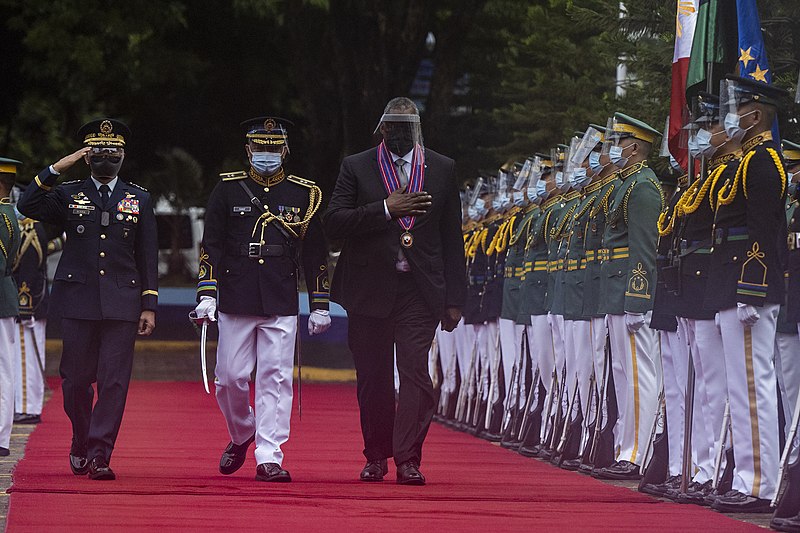
The Philippines and the United States are set to hold their largest joint military drills this year. The announcement of the drills comes amidst growing tensions with China in the highly disputed South China Sea.
Philippine army chief Lt. Gen. Romeo Brawner told reporters on Wednesday that Manila and Washington will be having what would be the largest joint military exercise since 2015. The joint military drills between the Philippines and the US highlight improved relations under Philippine President Ferdinand Marcos Jr.’s administration.
The announcement of the drills also comes amidst growing tensions between the Philippines and China, with Manila condemning Beijing’s “aggressive” actions in the disputed body of water, including using a “military-grade laser” to harass a Philippine vessel this month.
Brawner told reporters that the annual “Balikatan” military drills would take place in the year's second quarter and include more troops than last year’s 8,900.
“The exercises will involve a myriad of activities not just focused on developing the warfighting capability of both armed forces, but also of the other non-traditional roles such as humanitarian assistance and disaster response,” said the army chief.
“All of these exercises that we are doing are in response to all types of threats that we may be facing in the future, both man-made and natural,” said Brawner.
Marcos summoned the Chinese ambassador to relay concerns over the laser incident on February 6 as well as concerns over Beijing’s increasing activities in the South China Sea. China claims the majority of the body of water as its territory angering neighboring countries with overlapping claims to the waterway. The Chinese foreign ministry insisted that the behavior of its coast guard in using a laser on the Philippine vessel was legal.
Pentagon spokesman Brigadier General Patrick Ryder said Washington will “redouble its efforts with our Philippine ally” to boost the Philippine military and its coast guard’s defense capabilities in part of the countries’ cooperation to maintain the “rules-based international order.”
Earlier this week, Marcos said he did not see a reason why the Philippines should not have a Visiting Forces Agreement with Japan following his recent visit to Tokyo, especially if it would boost maritime security and ensure more protection for Filipino fishermen.













