


 Israel Approves West Bank Measures Expanding Settler Land Access
  Trump Allows Commercial Fishing in Protected New England Waters
  Jack Lang Resigns as Head of Arab World Institute Amid Epstein Controversy
  China Warns US Arms Sales to Taiwan Could Disrupt Trump’s Planned Visit
  Trump Lifts 25% Tariff on Indian Goods in Strategic U.S.–India Trade and Energy Deal
  Sydney Braces for Pro-Palestine Protests During Israeli President Isaac Herzog’s Visit
  Japan’s Prime Minister Sanae Takaichi Secures Historic Election Win, Shaking Markets and Regional Politics
  Netanyahu to Meet Trump in Washington as Iran Nuclear Talks Intensify
  Federal Judge Restores Funding for Gateway Rail Tunnel Project
  Trump Administration Appeals Court Order to Release Hudson Tunnel Project Funding
  Nicaragua Ends Visa-Free Entry for Cubans, Disrupting Key Migration Route to the U.S.
  Trump Backs Nexstar–Tegna Merger Amid Shifting U.S. Media Landscape
  Japan Election 2026: Sanae Takaichi Poised for Landslide Win Despite Record Snowfall
  Bangladesh Election 2026: A Turning Point After Years of Political Suppression
  U.S. Lawmakers to Review Unredacted Jeffrey Epstein DOJ Files Starting Monday
  Antonio José Seguro Poised for Landslide Win in Portugal Presidential Runoff


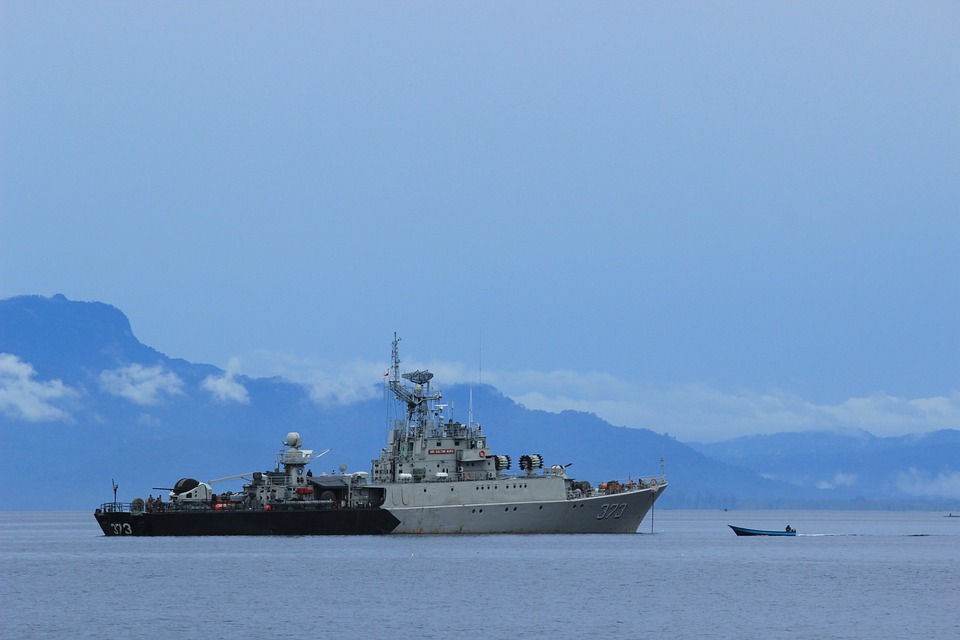
China is looking to make more aggressive efforts in assuming control over the majority of the South China Sea, angering the surrounding nations. An expert has claimed that amid tensions over the body of water, China is likely looking into hiding ballistic missiles in parts of the waters.
Tensions over the South China Sea are high as of late. According to Chatham House Asia-Pacific Program Associate Fellow Bill Hayton, China is likely adopting a defense strategy that involves hiding ballistic missiles in parts of the disputed waters. China made sweeping claims of sovereignty over the South China Sea, citing its nine-dash line but has been rejected by an international tribunal.
Hayton explained the move, citing that China may hide missiles in the waters as part of a defense against nuclear retaliation. Hayton also explained that China’s nine-dash line is not as historic as Beijing claims it to be, noting that they did not claim sovereignty over the waters until World War 2 and that they are doing so in order to extract resources.
“I think China has several objections in the South China Sea,” Hayton told Express. “Underlining it all is a belief that the rocks and the reefs within this nine-dash line belong to China. My own historical research has shown that that’s a bit of a myth. China didn’t claim the rocks and reefs in the southern part of the sea until World War II. The idea that this is an ancient historic claim is wrong. But it also, I think is looking to extract oil and gas as well as harvest all the fish in the South China Sea.”
China has previously been revealed to be building an “underwater Great Wall” in the disputed waters in order to spy on other countries. This is among several of its surveillance platforms that are laid out in the South China Sea.
The US has also opposed China’s sweeping claims, supporting other countries, including the Philippines. This week, US Defense Secretary Lloyd Austin reached an agreement with Philippine President Rodrigo Duterte to maintain the military treaty between the two countries called the Visiting Forces Agreement. The treaty would allow both countries to continue conducting joint military exercises amidst concerns that China is growing increasingly aggressive.













