


 HP Stock Drops 9% Despite Q3 Earnings Beat and Raised 2026 Outlook
  New Zealand Labour Backs Social Media Ban for Under-16s
  Salesforce Shares Surge as AI Demand Powers Q2 Earnings Beat
  Meta Agrees to $18 Billion Settlement, Tightens Teen Social Media Rules
  U.S. Disrupts China-Linked Hacking Campaign Targeting Government Agencies
  New Zealand Moves to Ban Social Media for Children Under 16
  Pinterest Stock Falls as CFO Julia Brau Donnelly Resigns
  Google Expands Gemini Enterprise With AI Tools for Legal Sector
  Xiaomi Unveils Xring O3 Chip for Flagship Foldable Phone
  Nvidia Eyes Perplexity Investment at $30 Billion Valuation
  PayPal Shares Sink as $50 Billion Takeover Bid Collapses
  Unitree Shares Plunge 45% After Blockbuster IPO, Raising China Tech Bubble Fears
  Trump Buys SpaceX Shares After Record IPO
  Countries Tighten Social Media Bans for Children
  SK Hynix Shares Fall as Workers Reject Wage Deal
  OpenAI AI Agent Swarm Behind Hugging Face Hack
  SoftBank Eyes $20 Billion Bond Sale to Refinance OpenAI Loan


 Add as a preferred source on Google
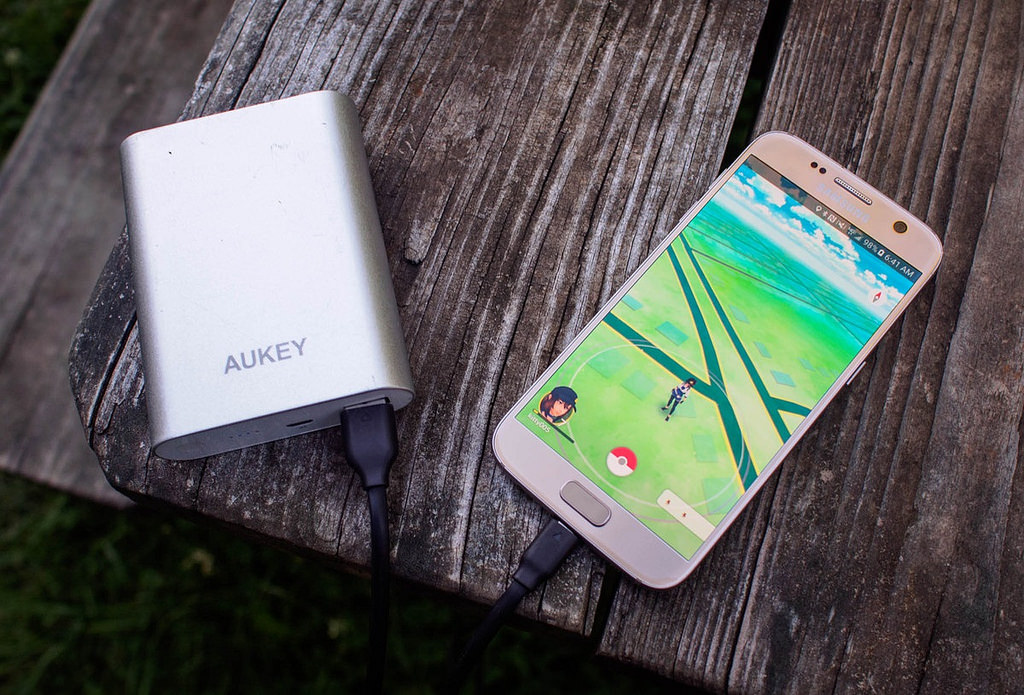
Researchers have been churning out innovations in the energy sector one after another. Two recent examples include tiny supercapacitors that are reportedly able to store a significant amount of energy and recharge in seconds and solar-powered clothing. The former spells huge advancements when it comes to battery-powered devices such as smartphones. Combined with the latter, users could potentially keep their devices from ever running out of power.
The supercapacitors in question were developed by researchers at the University of Central Florida, Phys.org reports. The result of their study is an energy storage medium that has more capacity and will not show degradation even if it is recharged more than 30,000 times.
One of the biggest contributors to the research is Nitin Choudhary, and according to him, this development could have major implications for industries selling products that relied on batteries to work. This would include smartphones, computers, remote controlled toys, and even electric cars.
"If they were to replace the batteries with these supercapacitors, you could charge your mobile phone in a few seconds and you wouldn't need to charge it again for over a week," Choudhary said.
This is a particularly exciting development for those who are familiar with the problems that devices of any kind often exhibit. After a year of use, the devices hold less and less power, and charging them can take longer as well. This prompted the need for better energy storage units and more efficient charging methods.
Speaking of which, another person from UCF by the name of Jayan Thomas has produced an equally exciting discovery in the form of supercapacitors that can be integrated into clothing. The process involves the creation of a device that looks like it’s made up of ribbons. This device harvest sunlight converts it into energy, and stores that energy for later use.
According to Thomas, the inspiration for his research is the movie “Back To The Future II,” where self-charging clothing is prominently featured. Yet again, movies display their influence in shaping the future of scientific innovations.







