


 Macquarie Names Greg Ward as CEO, Signaling Stability and Strategic Continuity
  OpenAI Australia Data Center Switches Cooling Strategy After Recycled Water Plan Fails
  Domino’s Weighs Appeal After Australian Court Rules Workers Were Misled on Pay
  Paramount-Warner Bros. Merger Delayed Until 2027 Amid Antitrust Lawsuit
  Volkswagen Cuts 2026 Revenue Outlook as China Weakness, Trade Risks Weigh
  Wistron Opens $700M Texas AI Factory to Build Nvidia Superchips in U.S.
  Alphabet Q2 Earnings Beat Estimates as AI Spending, Google Cloud Growth Fuel Outlook
  AMD Unveils Helios AI Servers to Challenge Nvidia as OpenAI Adopts New Platform
  Intel Stock Slips After Earnings Rally Despite Strong AI-Driven Revenue Growth
  CXMT IPO Debut in Shanghai Puts $85.5 Billion Chipmaker in Spotlight
  SAP Beats Q2 Revenue Estimates as Cloud Backlog and Business AI Demand Drive Growth.
  Trump Administration Monitors OpenAI Incident as Lawmakers Push AI Kill Switch Bill
  Scandinavian Tobacco Group Sells BREAK and Moro Brands to Japan Tobacco for €176 Million
  Samsung Eyes Up to $1.14 Billion Investment in AI Startup Mistral
  Brown-Forman Rejects Sazerac’s $15 Billion Takeover Bid as Family Backs Independence
  IBM Q2 Earnings Miss Estimates as Software Growth Offsets Infrastructure Weakness
  Elon Musk Fuels SpaceX-Tesla Merger Speculation After Earnings Call


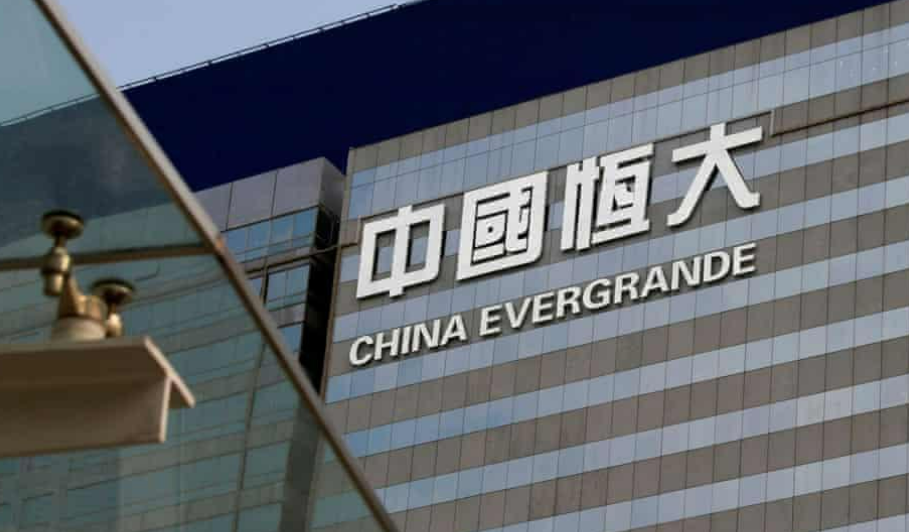
Shares of embattled Chinese property developer Evergrande rose on Tuesday after trading was resumed in the Hong Kong stock exchange following suspension. Many investors were surprised after the company announced it would suspend trading of its shares on Monday without providing an apparent reason for the call. Many would-be aware the Chinese real estate giant has been struggling with debts owing suppliers and creditors over $300 billion. The trading suspension came when the company was scrambling to raise cash to pay its debtors by selling assets and shares. Also, it followed delayed plans to repay investors in its wealth management products.
However, the suspension was short-lived as trading resumed on Tuesday to the delight of many investors. At the start of this week, the company confirmed that it had received an order from authorities in Danzhou city, Hainan province, on 30 December asking it to demolish 39 buildings under construction at its Ocean Flower Island project. They didn't reveal the reason for the demolition; however, rumors persist that the buildings were illegally built.
The resumption saw the company shares jump by 10% after Evergrande assured investors that the demolition order would not affect the rest of its project at the Hainan resort. It has been a torrid period for company investors who saw the market value of their shares plunge almost 90% over the past year as Evergrande struggled with debt. Also, its sales for 2021 fell by 39% from the year before to $69.5 billion.
When company shares plunge, investors have no option but to hold onto them and hope the fortunes turn soon. Or they can opt to cut their losses and sell at a lower price—this isn't ideal. However, by using brokers it is possible to make the most of the price drop by trading derivatives attached to the company shares. Here one gets to trade with leverage and boost their capital, thus increasing their profitability tremendously. And you don’t have to be an expert to take advantage of this opportunity since some platforms such as NAGA will offer copy trading opportunities where you get to copy the strategies of expert traders and share their success.
Evergrande Struggles
Evergrande's struggles are well documented as it tries to clear its liabilities by selling assets and shares. Nearly $20 billion of international market bonds were deemed to be in cross-default by rating firms last month after the company missed payments. Also, the company missed new coupon payments worth $255 million due last Tuesday, even though both have a 30-day grace period.
As mentioned earlier, the company has already scaled back plans to repay investors in its wealth management products. However, it assured them they could expect to receive at least 8,000 yuan ($1,257) a month as principal payment for three months, irrespective of when the investment matured.
However, it is not only Evergrande facing debt issues as a recent study found that Chinese property developers owned $19.8 billion in US dollar-denominated offshore debt in the first three months of 2022. And in the second quarter of this year, they must find another $18.5 billion while also meeting billions of repayments in local yuan debt.
A few other developers are at risk of default, such as Kaisa. In December, the company missed a huge repayment and has twice suspended its shares in recent months. Its stocks have reflected these struggles as they have lost over 75% in value over the past year.
Additionally, developers have to find 1.1 trillion yuan in backdated pay owed to construction workers before the lunar new year starts at the beginning of February.
China Watchers Believe The Authorities Intend To Bring Some Control In the Sector
The struggles of property developers in China are no accident since, as some experts believe, it's exactly how authorities wanted it. When the Chinese Communist Party changed its rules to limit how much money property developers could borrow, they knew it would cause major problems for the big firms. And by doing so, the government is sending out a clear message that what they consider to be a reckless expansion of the sector will not continue.
This article does not necessarily reflect the opinions of the editors or management of EconoTimes







