


 Trump Buys SpaceX Shares After Record IPO
  Pentagon Eyes U.S. Troop Cuts in Europe Amid NATO Review
  Judge Rejects Minnesota Bid to Force ICE Agent Extradition
  FCC Steps Up China Tech Crackdown as Beijing Pushes Back
  Unitree Shares Plunge 45% After Blockbuster IPO, Raising China Tech Bubble Fears
  HP Stock Drops 9% Despite Q3 Earnings Beat and Raised 2026 Outlook
  Meta Agrees to $18 Billion Settlement, Tightens Teen Social Media Rules
  Jefferies Names AMEC Top China Semiconductor Equipment Pick
  Israeli Airstrike Kills Hamas Operative, Two Others in West Bank
  Australia Pledges $3.6M for Nepal-China Flood Relief
  Toyota Global Sales Fall as China Demand Slumps
  New Zealand Labour Backs Social Media Ban for Under-16s
  Pentagon Eyes 100-Year Lease on Venezuela Oil Fields
  Nvidia Options Price in $280 Billion Earnings Swing
  Tennessee Plans to Rename Nashville Airport After Dolly Parton
  Countries Tighten Social Media Bans for Children
  Alibaba Raises $10.2 Billion to Expand AI Infrastructure


 Add as a preferred source on Google
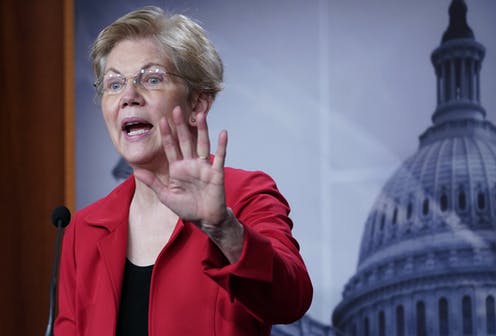
A bipartisan pair of U.S. senators is pushing new legislation aimed at ensuring fairness in how the Commerce Department issues export licenses, following concerns that past decisions created an uneven playing field among American tech companies. The bill, introduced by Democratic Senator Elizabeth Warren and Republican Senator Rick Scott, directs the Commerce Department to avoid granting approvals that give one U.S. firm a competitive advantage over another when selling technology to overseas buyers.
The proposal comes after the department faced criticism for allowing Intel and Qualcomm to sell chips to Huawei—despite denying similar requests from rivals such as MediaTek and AMD. Although the Biden administration eventually revoked those licenses last year, questions linger about the integrity and transparency of the export licensing process, especially when national security concerns intersect with global technology sales.
According to the bill, exclusive or “monopoly licenses” can distort markets, heighten national security risks, and jeopardize fair competition. To address this, the legislation would require a “competitive market review” before any export authorization is approved. This review would determine whether granting a license would result in a single U.S. company becoming the only supplier allowed to ship a specific product to a foreign customer. Under the proposed rules, such a license could only move forward if no similar request has been submitted by competing firms for the same buyer.
Supporters of the bill argue that stronger oversight is essential to prevent favoritism and ensure all American companies operate under consistent export control standards. The Commerce Department, which is responsible for enforcing U.S. export control policies, did not immediately comment on the proposed legislation.
The measure highlights ongoing tensions between national security priorities and the tech sector’s need to maintain access to global markets—particularly in cases involving heavily sanctioned entities like Huawei. As lawmakers seek to increase transparency and fairness, the outcome of this legislation could significantly influence how U.S. companies compete internationally for licensed technology sales.







