


 Meta, U.S. States Discuss Settlement in Teen Addiction Trial
  Salesforce Shares Surge as AI Demand Powers Q2 Earnings Beat
  New Zealand Labour Backs Social Media Ban for Under-16s
  Pinterest Stock Falls as CFO Julia Brau Donnelly Resigns
  Trump Administration Plans New Drug Pricing Deals With Biotech Firms
  Yindjibarndi Appeals Fortescue Mining Compensation Ruling
  Google Expands Gemini Enterprise With AI Tools for Legal Sector
  U.S. Probes Apex Logistics Over Nvidia AI Chip Shipments to China
  Itochu Offers $1.56 Billion to Privatize Dentsu Soken
  BofA Names ASML Top Semiconductor Equipment Pick on Growth, Valuation
  Nvidia Reportedly Eyes $13 Billion Hugging Face Acquisition
  New Zealand Moves to Ban Social Media for Children Under 16
  Unitree Shares Plunge 45% After Blockbuster IPO, Raising China Tech Bubble Fears
  Nvidia Pauses AI Cloud Financing Deals Amid Antitrust Concerns
  Toyota Global Sales Fall as China Demand Slumps
  Shein Hong Kong IPO to Raise $1.7 Billion at $26.5 Billion Valuation


 Add as a preferred source on Google
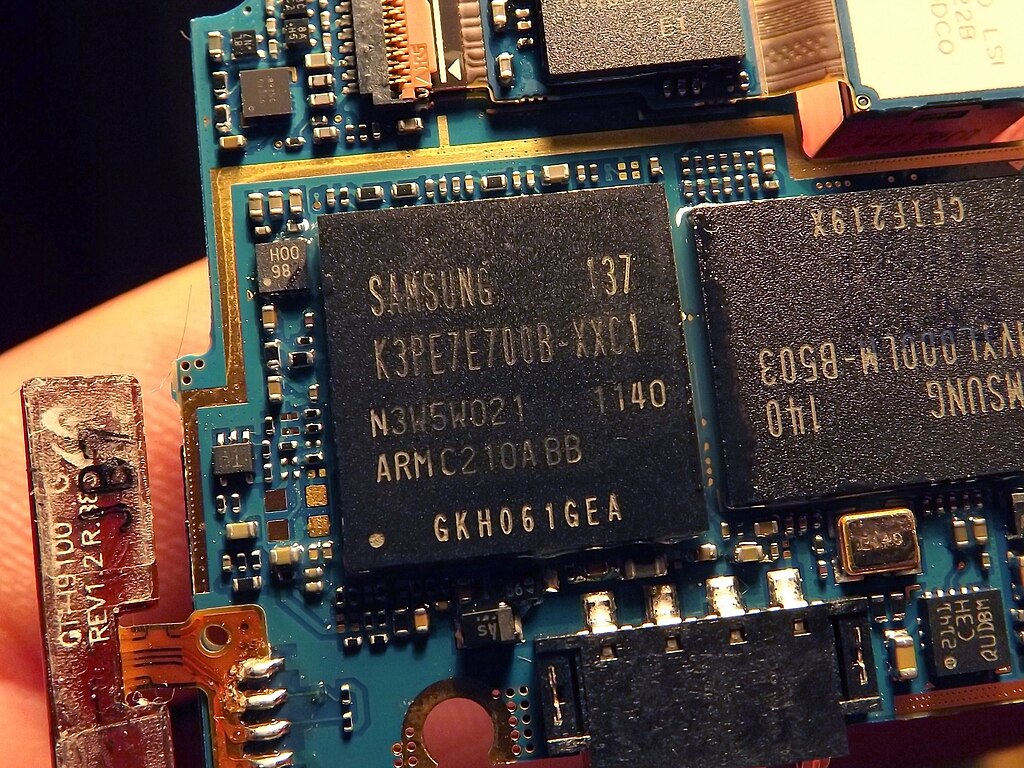
Samsung Electronics expects strong demand for memory chips to remain robust throughout this year and extend into next year, driven largely by the rapid expansion of artificial intelligence technologies, according to a senior company executive. The outlook reinforces Samsung’s position as a global leader in the semiconductor industry, particularly in advanced memory solutions critical for AI and data-intensive applications.
Speaking on Wednesday at the Semicon trade show, Song Jai-hyuk, Chief Technology Officer of Samsung Electronics’ chip division, highlighted that customer demand for high-performance memory continues to accelerate as AI adoption grows across industries. From data centers and cloud computing to autonomous systems and generative AI models, memory chips play a central role in enabling faster processing speeds and higher efficiency.
Song also revealed that customer feedback on Samsung’s upcoming next-generation high-bandwidth memory product, HBM4, has been “very satisfactory.” High-bandwidth memory is a key component for AI accelerators and high-performance computing systems, as it allows for rapid data transfer between processors and memory. The positive reception of HBM4 suggests Samsung is well-positioned to capitalize on future demand as AI workloads become more complex and data-heavy.
The semiconductor market has seen increased competition as major chipmakers race to develop advanced memory technologies tailored for AI-driven growth. Samsung’s confidence reflects not only strong current orders but also expectations that investment in AI infrastructure will continue to rise globally. As companies expand their AI capabilities, demand for cutting-edge memory chips such as HBM is expected to remain a major growth driver for the industry.
Samsung Electronics has been actively investing in research and development to maintain its technological edge in memory semiconductors. With encouraging customer feedback and a positive demand outlook, the company appears poised to strengthen its market leadership amid a rapidly evolving AI landscape. This sustained momentum could have a significant impact on the global memory chip market as AI continues to reshape the future of computing.







