


 Nvidia Partners With Fanuc and Yaskawa to Accelerate AI Robotics in Japan
  Tesla Stock Outlook: Strong EV Sales Boost Earnings, but AI Projects Drive Long-Term Value
  Sam Altman Admits OpenAI Missteps, Promises Major AI Comeback Focused on User Freedom
  Eli Lilly Eyes AtaiBeckley Acquisition to Expand Psychedelic Mental Health Pipeline
  NTSB Leads Investigation Into Ryanair Boeing 737 Engine Failure Over Greece
  Brent Oil Jumps 16% for Best Week Since April as US-Iran Conflict Fuels Supply Fears
  How ongoing deforestation is rooted in colonialism and its management practices
  China Q2 2026 GDP Misses Forecast as Weak Domestic Demand Offsets Export Strength
  GesiaPlatform Launches Carbon-Neutral Lifestyle App ‘Net Zero Heroes’
  South Korea Raises Interest Rates to 2.75% as Inflation and Weak Won Drive Tightening
  Apple Intelligence China Approval Lifts Alibaba and Baidu Shares
  Moonshot Launches Kimi K3, China's Largest Open-Source AI Model
  ECB Expected to Hold Rates as Middle East Tensions Keep September Hike in Focus
  Rice feeds billions of people – but its role in fueling climate change is growing
  How America courted increasingly destructive wildfires − and what that means for protecting homes today


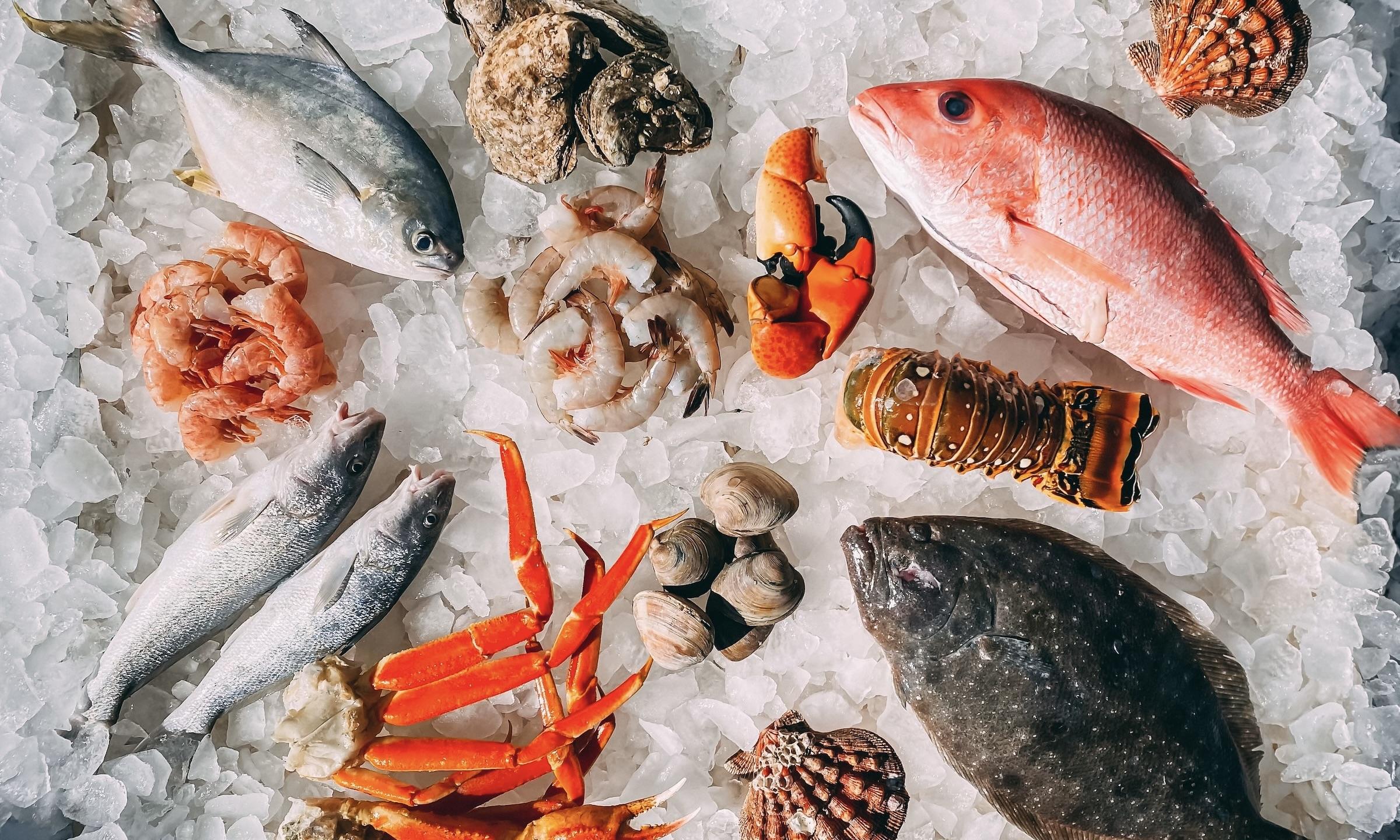
South Korean imports of Japanese seafood fell by over 30% last month, data reveals, amid ongoing concerns over Japan's planned release of treated radioactive water from the Fukushima nuclear plant. The Korean ban on imports from eight adjacent prefectures persists.
South Korea has banned seafood imports from eight Fukushima-neighboring prefectures since 2013 due to radiation concerns. In May, imports of fishery products from Japan reached 2,129 tons, marking a 30.6% decline compared to last year; imports also fell by 1.8% to US$14.06 million.
While South Korea is committed to keeping its citizens safe, it has made it clear that the Fukushima water release should be considered separately from the existing import ban, overturning which would require solid proof of safety.
According to recent data, seafood imports plummeted by a staggering 26 percent on-year in volume and 9.7 percent in value this April. What triggered this sharp drop? Well, it turns out that Japan's planned discharge of radioactive water from the Fukushima Daiichi nuclear power plant has gotten people a bit concerned.
Of course, South Korea isn't taking any chances after banning all seafood imports from eight Japanese prefectures near Fukushima back in 2013 due to concerns over radiation levels. South Korea has made it clear that it won't lift the ban on these imports without proof that the seafood from the area is safe. As far as they're concerned, the Fukushima water release should be considered separately from the import ban.
Recently, the operator of the Fukushima plant ran tests for its newly built facilities that would discharge treated radioactive wastewater into the Pacific Ocean, a move that drew strong opposition from local fishermen and neighboring countries.
But, after years of research, scientists are confident that releasing the treated wastewater would actually be both safe and sensible. "Japan is preparing to release treated wastewater from the Fukushima nuclear power plant into the Pacific Ocean," said Associate Professor Nigel Marks with Curtin University.
At first glance, this may seem alarming, but in actuality, it is a well-planned strategy that considers all safety measures. Despite initial concerns, this move will not only improve the state of the local fisheries but also benefit the larger community.
Photo: Mike Bergmann/Unsplash







