


 Japanese Yen Retreats as Dollar Rises Ahead of Fed, BOJ Rate Decisions
  Wall Street Mixed as Treasury Yields Rise After Fed Hike
  East Germany Narrows Economic Gap With West but Wealth Divide Persists
  BOJ Set for 25-Basis-Point Rate Hike as Yen Weakness Fuels Inflation
  Central Banks Could Buy 20,000 Tonnes of Gold: BofA
  European Stocks Rally After Fed Hike, Iran Peace Hopes
  US Stock Futures Rally as Markets Digest Fed Rate Hike
  US Stock Futures Dip After Wall Street Rally
  Fed Rate Hike Threatens Housing as U.S. Growth Leans on AI, Citi Says
  Mexico Pushes for US Trade Deal Before Midterms
  Bank of England Sees Surge in Higher-Risk Collateral
  Yemen Fighting Threatens Red Sea Oil Routes


 Add as a preferred source on Google
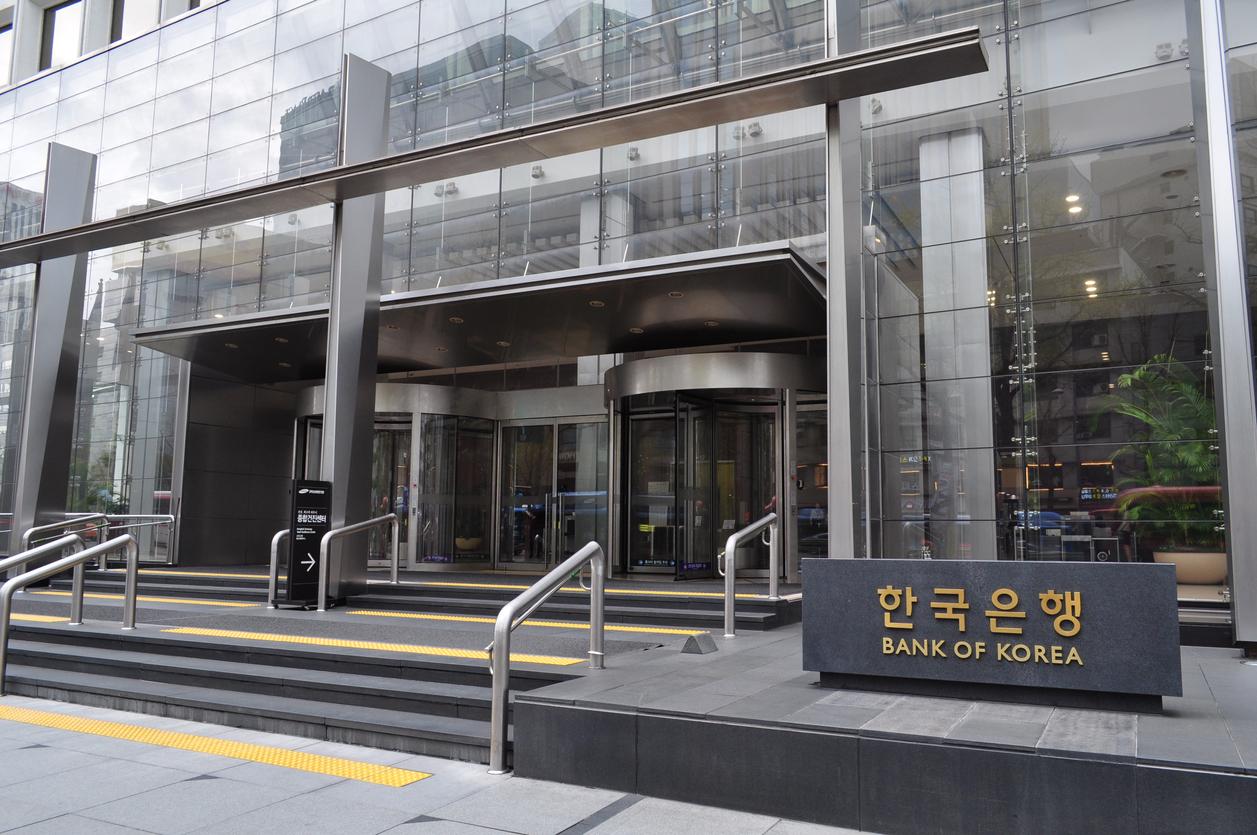
South Korea’s central bank raised its benchmark interest rate by 25 basis points to 2.75% on Thursday, marking its first rate hike in three and a half years as policymakers moved to curb persistent inflation and support the weakening Korean won.
The Bank of Korea (BOK) increased its seven-day repurchase rate following a widely anticipated decision by its seven-member monetary policy board. The move matched expectations from nearly all economists surveyed by Reuters, highlighting strong market consensus that tighter monetary policy was necessary.
The decision comes as South Korea’s economy continues to outperform expectations, fueled by a global semiconductor boom. The country’s gross domestic product (GDP) expanded 1.8% in the first quarter, the fastest pace in almost six years, prompting the government to lift its 2026 growth forecast to 3.0%, the highest in five years.
Despite stronger economic growth, the South Korean won has remained under pressure, falling 3.4% against the U.S. dollar this year. The central bank’s rate increase is aimed at helping stabilize the currency while addressing inflation, which has climbed to its highest level in two and a half years.
The BOK’s latest move also keeps it aligned with other Asia-Pacific central banks that have tightened monetary policy, including the Bank of Japan, as well as central banks in Australia, New Zealand, Indonesia, and the Philippines.
Market analysts believe the tightening cycle is not over. A majority expect the central bank to raise its policy rate again before the end of the year, bringing it to 3.00%. Longer-term forecasts suggest rates could reach 3.25% in the first quarter of 2027 before remaining steady through at least the end of that year.
Stephen Lee of Meritz Securities said the increase had been clearly signaled during the BOK’s May meeting, when officials revised their forward guidance to indicate a higher-rate outlook. He added that the central bank is likely to acknowledge stronger economic prospects and continued upside risks in its latest policy statement.
Bank of Korea Governor Shin Hyun Song is scheduled to provide additional guidance during a press conference following the rate announcement.







