


 Asian Stocks Plunge as AI Chip Selloff Hits South Korea and Japan
  Oil Prices Rise as Houthi Attacks Threaten Middle East Supply
  Samsung, SK Hynix Shares Plunge as China Chip Competition Grows
  IMF Maintains 2027 Global Growth Forecast at 3.4% Amid Rising Risks
  US Dollar Near 18-Month High Ahead of Inflation Data
  Trump Defends Russian Diesel Deal Amid US Sanctions Backlash
  Asian Currencies Steady as Dollar Nears 18-Month High Ahead of US CPI
  European Stocks Rise as Oil Prices Fall Ahead of US CPI
  RBA Signals More Rate Hikes as Inflation Risks Rise
  Wall Street Ends Mixed as Investors Await CPI and Bank Earnings
  US Dollar Index Falls as Fed Signals Caution, Indian Rupee Surges
  Gold Prices Rise Above $4,200 as Russia-Ukraine Energy Truce Eases Oil Concerns
  Bank of America Predicts Yen Rebound as USD/JPY Faces Risks
  Global Stocks Mixed as Oil Falls Ahead of US Earnings
  Fed’s Williams Sees One More Rate Hike in 2026, None in 2027


 Add as a preferred source on Google
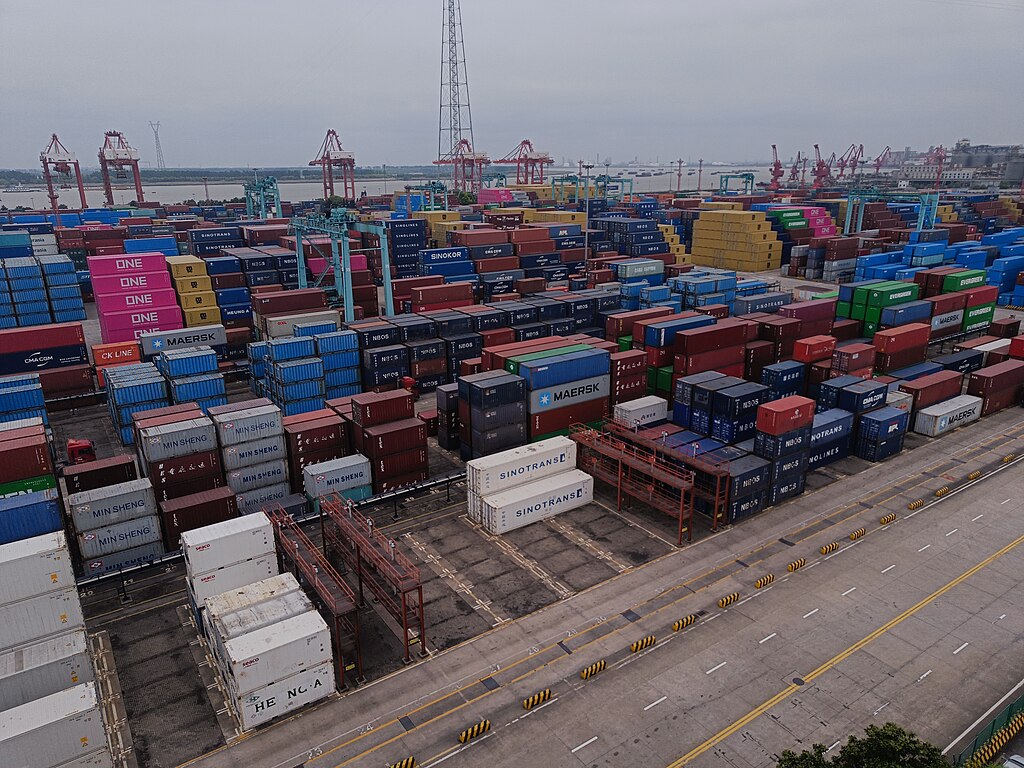
China's economy expanded at a slower-than-expected pace in the second quarter of 2026, highlighting persistent weakness in domestic demand despite resilient exports and strong industrial activity.
Official data released by the National Bureau of Statistics on Wednesday showed that China's gross domestic product (GDP) grew 4.3% year over year in the April-June quarter, below market expectations of 4.5% and down from the 5.0% growth recorded in the first quarter. On a quarterly basis, GDP increased 0.9%, matching forecasts but easing from the previous quarter's 1.3% expansion.
For the first half of 2026, China's economy grew 4.7%, remaining within Beijing's full-year target range of 4.4% to 4.8%.
Exports continued to provide the biggest boost to economic growth as overseas demand remained solid despite global uncertainty. Chinese manufacturers also benefited from advance orders as businesses sought to secure supplies amid disruptions linked to tensions in the Middle East. Strong demand for electronics and AI-related networking equipment helped keep factory activity resilient.
However, robust exports were not enough to offset sluggish domestic consumption and weaker business investment. Consumer spending remained subdued, while companies continued to scale back investment, reflecting ongoing concerns about the country's economic outlook.
Supporting the export-driven recovery, China's industrial production rose 5.3% year over year in June, exceeding expectations of 4.7% and accelerating from 4.5% growth in May.
In contrast, fixed asset investment, which measures spending on infrastructure, property, and capital projects, fell 5.7% in June. The decline was steeper than economists' forecast for a 5.0% drop and marked the third consecutive monthly contraction, underscoring the continued drag from China's prolonged property sector downturn.
Retail sales offered a modest improvement, rising 1.0% in June after analysts had expected a slight decline of 0.1%. Even so, consumer spending remained weak overall, with retail sales continuing to underperform expectations in recent months.
The latest economic data suggests China's recovery remains uneven, with export-driven manufacturing supporting growth while weak domestic demand and a struggling property market continue to weigh on broader economic momentum.







