


 Iran Strikes U.S. Bases in Kuwait as Hormuz Tensions Rise
  Lula’s Lead Over Flavio Bolsonaro Narrows Ahead of Brazil Election
  Vietnam Leader To Lam Plans Russia, France, US and Canada Visits
  Honduras Court Drops Charges Against Ex-President Juan Orlando Hernandez
  US Investigates Deadly Strike on Iranian Wedding
  US-Iran Conflict Escalates With New Strikes Near Hormuz
  Zelenskiy Orders Probe Into Kyiv SBU-HUR Shootout
  Trump Seeks Europe Repayment for U.S. Ukraine Military Aid
  Ed Markey Wins Massachusetts Democratic Senate Primary
  Brazil Warns EU of Retaliation Over Animal Products Ban
  Two Palestinian Teenagers Killed in West Bank Violence
  Australia, US Move to Expand Defence Ties in Indo-Pacific
  South Korea Weighs Military Support for Strait of Hormuz Security
  Trump Names Adam Telle Acting U.S. Army Secretary
  Texas Republicans Turn Against AI Data Centers as Election Backlash Grows
  Pacific Leaders Raise Alarm Over China Missile Test as Nauru Dissents
  US, Australia Pledge $580 Million for Pacific Islands


 Add as a preferred source on Google
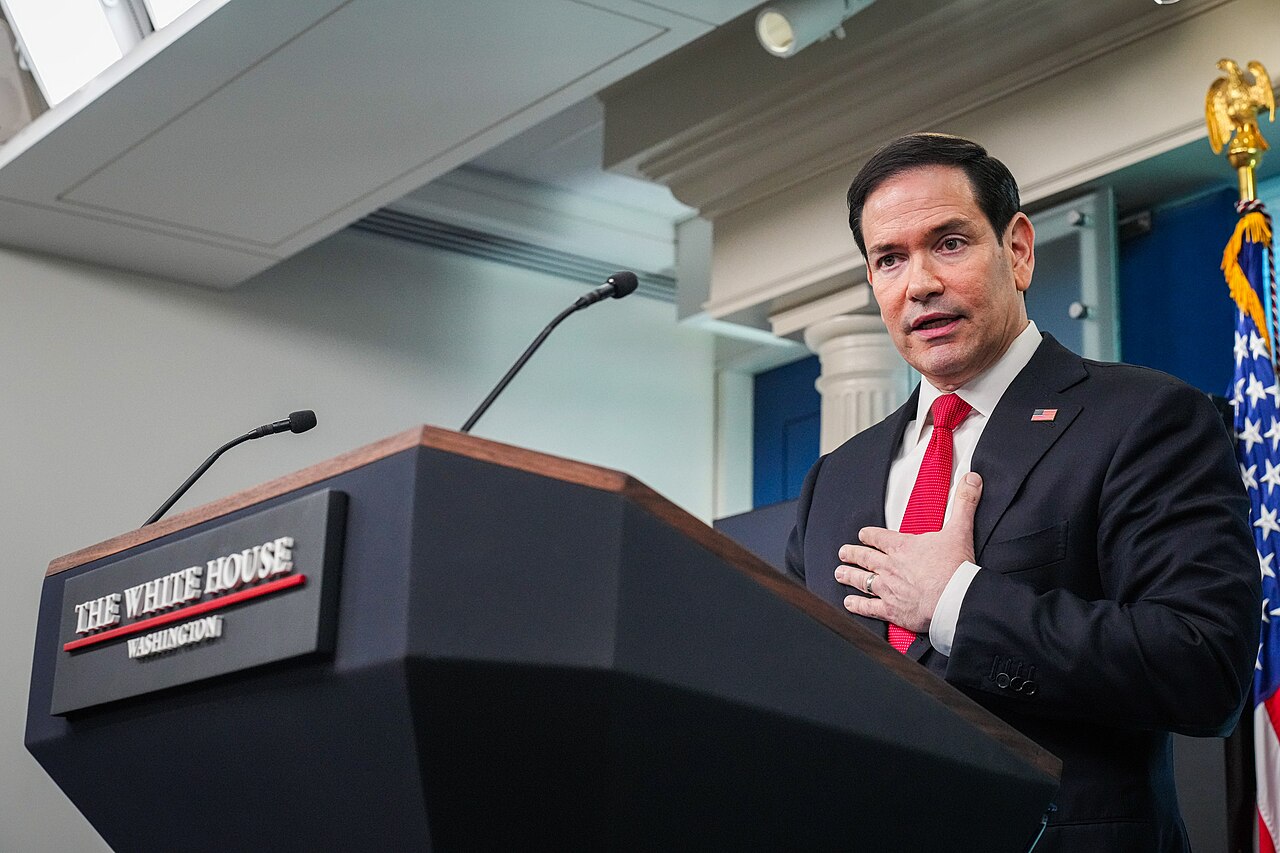
Cuban dissident artist Luis Manuel Otero Alcántara has arrived in the United States after completing a five-year prison sentence in Cuba, according to U.S. Secretary of State Marco Rubio. The announcement marks a significant development in a case that has drawn international attention and intensified tensions between Washington and Havana over human rights and political freedom.
Rubio confirmed Otero Alcántara’s arrival in a statement on Saturday but did not disclose his location or specify when he entered the United States. A U.S. Embassy official in Havana had confirmed a day earlier that the activist had been granted humanitarian parole and that embassy staff were assisting with his travel arrangements.
Otero Alcántara, 38, is a renowned Cuban artist and co-founder of the San Isidro Movement, an opposition group that advocates for freedom of expression and civil liberties. He was arrested in 2021 during Cuba’s largest anti-government demonstrations in decades, protests that sparked widespread international concern over the country’s treatment of dissidents.
Cuban authorities convicted him on charges including desecration of national symbols, contempt, and public disorder. He served his sentence at Guanajay prison near Havana, where rights groups and international organizations repeatedly raised concerns about his detention and treatment.
In his statement, Rubio described Otero Alcántara as a symbol of peaceful resistance, saying his only “crime” was refusing to remain silent and using his artwork to advocate for fundamental freedoms that many Cubans have sought for decades. The U.S. has consistently criticized Cuba’s handling of political activists and called for the release of individuals imprisoned over their political beliefs.
The case of Otero Alcántara, along with that of Cuban rapper Maykel Castillo, better known as “Osorbo,” has remained a recurring source of friction between the United States and Cuba. Castillo is currently serving an eight-year prison sentence after being convicted on similar charges linked to dissent.
Otero Alcántara’s arrival in the United States is expected to renew international discussion about political prisoners, artistic freedom, and human rights in Cuba, while highlighting the ongoing diplomatic divide between the two countries over civil liberties and democratic reforms.







