


 Russian Stocks End Mixed as MOEX Index Closes Flat Amid Commodity Strength
  Dollar Near Two-Week High as Stock Rout, AI Concerns and Global Events Drive Market Volatility
  Oil Prices Slide on US-Iran Talks, Dollar Strength and Profit-Taking Pressure
  India–U.S. Interim Trade Pact Cuts Auto Tariffs but Leaves Tesla Out
  Vietnam’s Trade Surplus With US Jumps as Exports Surge and China Imports Hit Record
  Dollar Steadies Ahead of ECB and BoE Decisions as Markets Turn Risk-Off
  Trump Signs Executive Order Threatening 25% Tariffs on Countries Trading With Iran
  Trump Lifts 25% Tariff on Indian Goods in Strategic U.S.–India Trade and Energy Deal
  Japan Economy Poised for Q4 2025 Growth as Investment and Consumption Hold Firm
  Global Markets Slide as AI, Crypto, and Precious Metals Face Heightened Volatility
  U.S.-India Trade Framework Signals Major Shift in Tariffs, Energy, and Supply Chains
  Dow Hits 50,000 as U.S. Stocks Stage Strong Rebound Amid AI Volatility
  Japanese Pharmaceutical Stocks Slide as TrumpRx.gov Launch Sparks Market Concerns
  Thailand Inflation Remains Negative for 10th Straight Month in January
  Gold and Silver Prices Rebound After Volatile Week Triggered by Fed Nomination
  South Korea’s Weak Won Struggles as Retail Investors Pour Money Into U.S. Stocks
  U.S. Stock Futures Slide as Tech Rout Deepens on Amazon Capex Shock


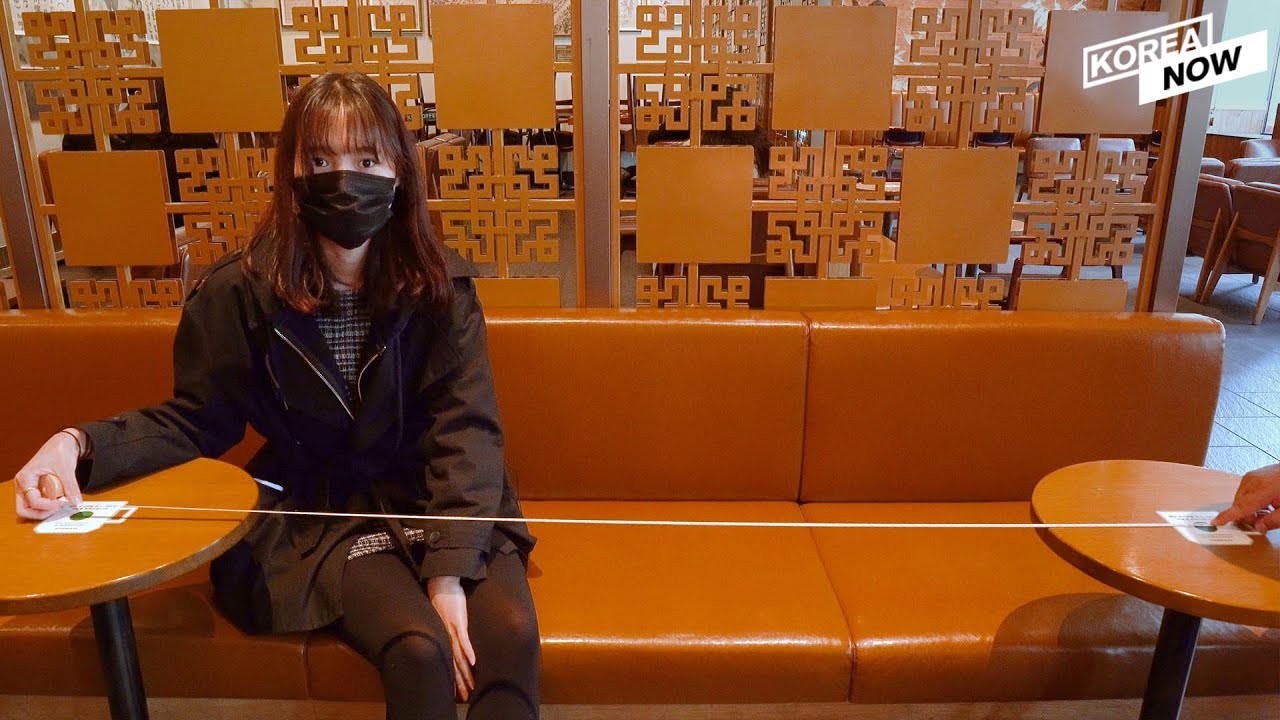
The coronavirus relief funds distributed in South Korea were spent mostly on dining out and groceries based on transactions made from May 11-31 of credit and debit cards from eight financial firms.
According to the Ministry of Interior and Safety, which analyzed the spending behavior with the relief money, 5.67 trillion won in relief money was spent as of May 31.
Restaurants attracted the most expenditures with 1.44 trillion won or 24.8 percent.
It was followed by marts and grocery stores with 1.37 trillion won, or 24.2 percent, while hospitals and pharmacies were third with 590 billion won or 10.4 percent.
South Koreans also spent 349 billion won in gas stations, 330 billion won in clothing stores, with 330 billion won, 259 billion won in convenience stores, and 248 billion won in private educational institutions.
Around 64 percent was spent at midsized businesses with annual sales of 3 billion won or less, and 26 percent at small companies with annual sales of 300 million won or less.
South Korea began paying out the relief money on May 4.
According to the ministry, 99.5 percent of 21.7 million households received the one-off payment as of Sunday, with 95.4 percent of 14.2 trillion won budget having been spent.
Households that fail to apply for the relief funds by Aug. 18 will forfeit the amount and be regarded as donors to the state. Those who were able to receive the money must spend it by Aug. 31 or will also forfeit it.
Active spending will be promoted by the ministry, who will closely monitor the expenditures to ensure that the emergency relief funds were all spent to assist people's livelihoods and the local economy.













