


 Volkswagen Cuts 2026 Revenue Outlook as China Weakness, Trade Risks Weigh
  Apple Downgraded by Jefferies Amid Weak iPhone Sales and AI Concerns
  AMD Unveils Helios AI Servers to Challenge Nvidia as OpenAI Adopts New Platform
  Alaska Air Q3 Outlook Misses Estimates as Higher Fuel Costs Weigh on Profit Forecast
  Trump Administration Imposes New Forced Labor Tariffs on 60 Trading Partners
  SAP Beats Q2 Revenue Estimates as Cloud Backlog and Business AI Demand Drive Growth.
  Gold Price Holds Above $4,000 as Fed Rate Hike Bets Rise on Oil-Driven Inflation
  Iran Rejects U.S.-Backed Ceasefire as Trump Escalates Military Threats, Oil Tops $100
  Asian Stocks Slide as Oil Tops $100, Middle East Conflict Fuels Inflation Fears
  South Korea to End Short-Selling Ban as Financial Market Uncertainty Persists
  Wall Street Rebounds as Investors Eye Tariff Uncertainty, Jobs Report
  IBM Q2 Earnings Miss Estimates as Software Growth Offsets Infrastructure Weakness
  SoftBank Eyes Up to $25B OpenAI Investment Amid AI Boom
  Investors Brace for Market Moves as Trump Begins Second Term
  Why the Middle East is being left behind by global climate finance plans
  SpaceX Stock Slump Wipes Out Nearly $700 Billion From Elon Musk’s Paper Wealth
  OpenAI Australia Data Center Switches Cooling Strategy After Recycled Water Plan Fails


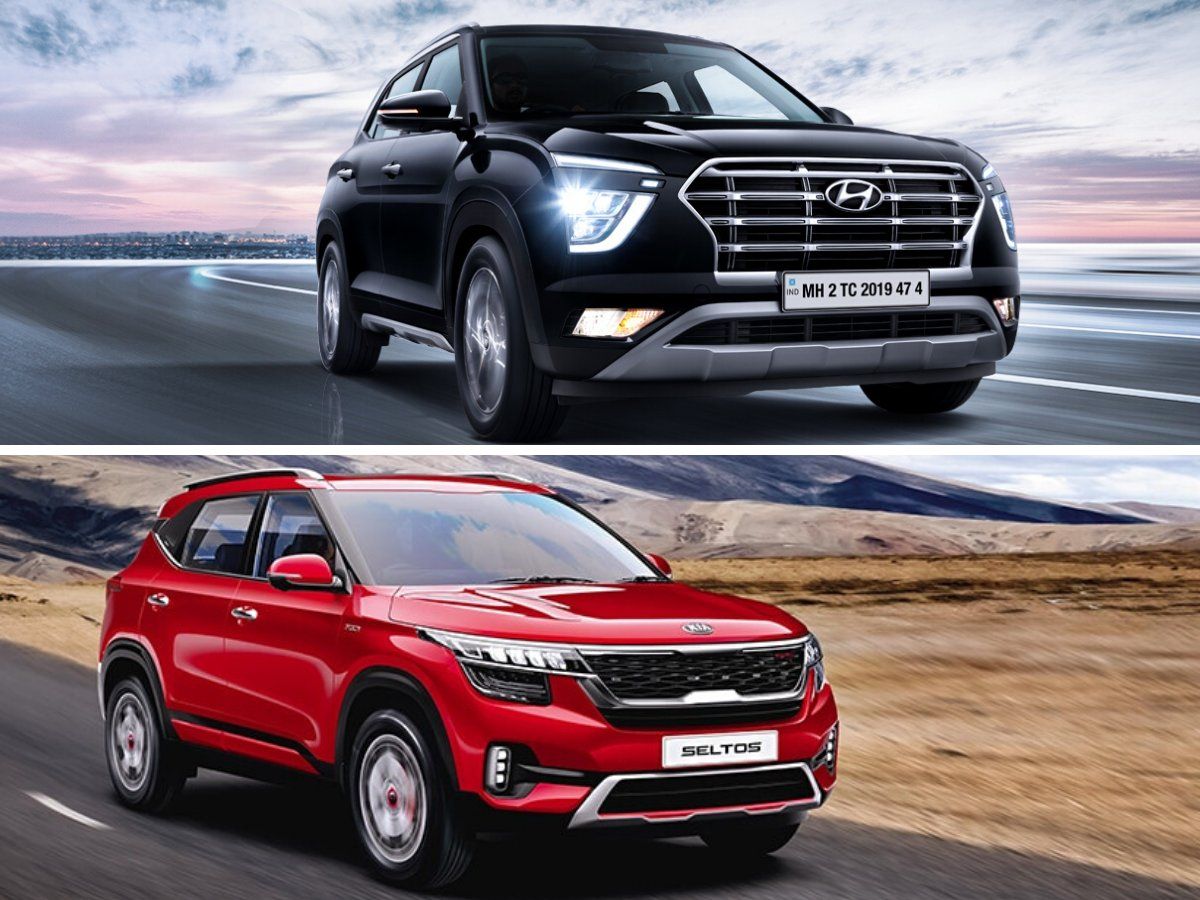
South Korean carmakers sold 2.1 million units in eight major markets in the first half, down 9.9 percent from 2.33 million units in the same period last year, to dip its global market share to 7.7 percent.
Their market share was 7.9 percent a year ago.
The Korea Automobile Manufacturers Association (KAMA) attributed the decline to the extended chip shortage.
The eight markets are the United States, Europe, China, India, Mexico, Brazil, Russia, and the Association of Southeast Asian Nations (ASEAN).
Sales in the US and Europe fell 18 percent and 14 percent, respectively, while sales in Brazil and Russia dropped 15 percent and 57 percent.
KAMA recommended the government and local automakers work together to deal with tougher rules on combustion engine vehicles in Europe and the US enactment of the Inflation Reduction Act (IRA), which disqualifies electric vehicles made outside the US from tax credits.







