


 KiwiSaver shakeup: private asset investment has risks that could outweigh the rewards
  Stock Futures Dip as Investors Await Key Payrolls Data
  Lithium Market Poised for Recovery Amid Supply Cuts and Rising Demand
  Indonesia Surprises Markets with Interest Rate Cut Amid Currency Pressure
  UBS Projects Mixed Market Outlook for 2025 Amid Trump Policy Uncertainty
  U.S. Stocks vs. Bonds: Are Diverging Valuations Signaling a Shift?
  U.S. Banks Report Strong Q4 Profits Amid Investment Banking Surge
  SoftBank Eyes Up to $25B OpenAI Investment Amid AI Boom
  Meta Ordered to Pay $567M Over Child Safety Violations in New Mexico
  S&P 500 Surges Ahead of Trump Inauguration as Markets Rally
  Nintendo Shares Jump as Switch 2 Sales Boost Earnings
  DeepSeek to Raise AI API Prices as Demand for New Models Surges
  DoorDash Q2 Revenue Jumps 36% as Orders and DashPass Growth Drive Results
  SK Hynix, Samsung Lead Asian Chip Stock Selloff After Sandisk, Western Digital Outlook
  Elliott Investment Management Takes Significant Stake in BP to Push for Value Growth
  Gold Prices Rise as Markets Await Trump’s Policy Announcements


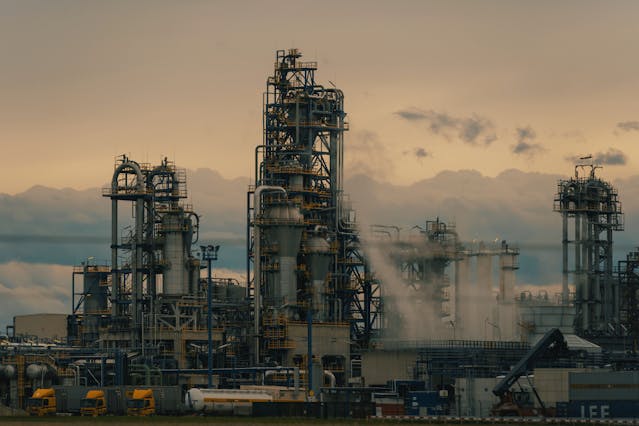
China's oil refining sector is bracing for significant disruptions as fuel demand peaks earlier than expected and Beijing targets inefficiencies. Analysts predict up to 10% of refining capacity could close within a decade, driven by falling demand, tighter U.S. sanctions, and competition from modern facilities.
Independent refineries, or "teapots," in Shandong province face the brunt of these changes. Operating at just 54% capacity in 2024, many struggle to stay viable. Beijing's 2023 mandate to cap national refining capacity at 20 million barrels per day (bpd) by 2025 and rising costs from new tax policies are further squeezing smaller operators. The emergence of large private refineries, which now account for 10% of the country's capacity, exacerbates the challenges.
China's crude imports dropped 1.9% in 2024, the first significant decline outside of the COVID years, reflecting weaker demand. Wood Mackenzie forecasts closures totaling 2.3 million bpd by 2050. Many teapots rely on discounted Iranian oil, but potential stricter U.S. sanctions under the Trump administration threaten this lifeline, further straining margins.
Government measures have already shuttered inefficient plants. In Shandong, 10 small refineries with a combined capacity of 540,000 bpd were closed to make way for the $20 billion Yulong Petrochemical plant, which will exacerbate fuel surpluses upon full operation.
State-owned giants like PetroChina and Sinopec are pivoting toward high-value chemical production, signaling a broader industry shift. Older fuel-focused refineries in regions with high electric vehicle adoption are increasingly vulnerable to closures. With dwindling margins and escalating costs, China's refining industry faces a critical juncture, reshaping its landscape for the foreseeable future.







