


 India–U.S. Interim Trade Pact Cuts Auto Tariffs but Leaves Tesla Out
  Trump Signs Executive Order Threatening 25% Tariffs on Countries Trading With Iran
  Asian Stocks Slip as Tech Rout Deepens, Japan Steadies Ahead of Election
  Gold and Silver Prices Climb in Asian Trade as Markets Eye Key U.S. Economic Data
  Nikkei 225 Hits Record High Above 56,000 After Japan Election Boosts Market Confidence
  U.S.-India Trade Framework Signals Major Shift in Tariffs, Energy, and Supply Chains
  Asian Currencies Stay Rangebound as Yen Firms on Intervention Talk
  South Africa Eyes ECB Repo Lines as Inflation Eases and Rate Cuts Loom
  Trump’s Inflation Claims Clash With Voters’ Cost-of-Living Reality
  Dollar Near Two-Week High as Stock Rout, AI Concerns and Global Events Drive Market Volatility
  RBI Holds Repo Rate at 5.25% as India’s Growth Outlook Strengthens After U.S. Trade Deal
  Russian Stocks End Mixed as MOEX Index Closes Flat Amid Commodity Strength
  Lee Seung-heon Signals Caution on Rate Hikes, Supports Higher Property Taxes to Cool Korea’s Housing Market
  Vietnam’s Trade Surplus With US Jumps as Exports Surge and China Imports Hit Record


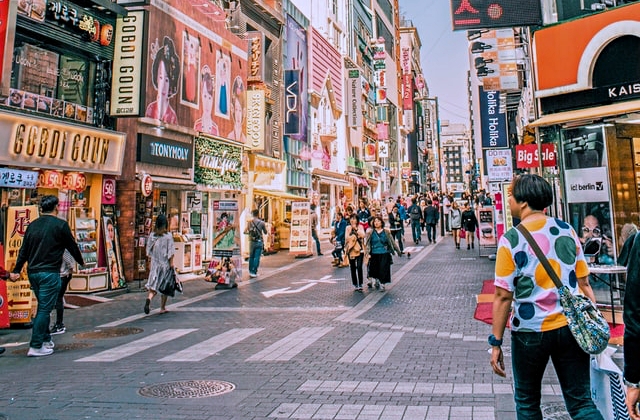
South Korea will be giving away cash as part of the government’s ₩11 trillion or around $9.4 billion COVID-19 subsidy plan. The state will be distributing the cash in this latest round of handouts to almost 90% of the Korean citizens.
As per The Korea Herald, S. Korea will also be providing other financial aid for small traders before the national Thanksgiving Day that is called Chuseok. This means that most members of the public will be receiving their subsidy money within the first two weeks of September.
The Korean government is planning to prioritize the distribution of the mentioned amount to citizens belonging to the bottom 88% income bracket. The cash will be sourced from this year’s second additional budget worth ₩34.9 trillion.
“Due to the fourth wave of COVID-19 and continued strengthening of quarantine measures, small-business owners and self-employed people are facing increasing challenges, while the consumer and business sentiment index in July and August has also been declining for two consecutive months,” Hong Nam Ki, S. Korea’s Finance Minister said in a statement.
Then again, it should be noted that the cash subsidy handout program will only be implemented if the current fourth wave of the pandemic eased off since people may go out shopping using the money they just received. It is still too risky to be on the streets as it may lead to a new wave of COVID-19 cases.
The beneficiaries of this new round of cash handouts will be chosen depending on the total household income that is calculated based on the national health insurance premiums for June. For instance, there are four members in a household, and if they paid monthly premiums of ₩342,000 or less, they are qualified for the cash subsidies.
The state’s Ministry of Economy and Finance said on Thursday, Aug. 26, that information about the handouts, such as the exact date of the program launch and where the citizens could use their subsidies. These details are set to be announced on Aug. 30, according to the ministry.
The small and medium-sized businesses that are struggling to keep going will also receive financial support, and ₩41 trillion will be offered to them before and after the holidays.
Yonhap News Agency further reported that the Korean government will also give three months extension for deferred payment of social insurance and utility bills to help people hit hard by the pandemic. The deadline for payments for some taxes will also be extended.













