


 Trump’s Inflation Claims Clash With Voters’ Cost-of-Living Reality
  U.S.-India Trade Framework Signals Major Shift in Tariffs, Energy, and Supply Chains
  Norway Opens Corruption Probe Into Former PM and Nobel Committee Chair Thorbjoern Jagland Over Epstein Links
  Trump Signs “America First Arms Transfer Strategy” to Prioritize U.S. Weapons Sales
  Trump Signs Executive Order Threatening 25% Tariffs on Countries Trading With Iran
  Trump Allows Commercial Fishing in Protected New England Waters
  South Korea Assures U.S. on Trade Deal Commitments Amid Tariff Concerns
  Trump Allegedly Sought Airport, Penn Station Renaming in Exchange for Hudson River Tunnel Funding
  TrumpRx Website Launches to Offer Discounted Prescription Drugs for Cash-Paying Americans
  Trump Lifts 25% Tariff on Indian Goods in Strategic U.S.–India Trade and Energy Deal
  Nighttime Shelling Causes Serious Damage in Russia’s Belgorod Region Near Ukraine Border
  Pentagon Ends Military Education Programs With Harvard University
  U.S. Lawmakers to Review Unredacted Jeffrey Epstein DOJ Files Starting Monday
  US Pushes Ukraine-Russia Peace Talks Before Summer Amid Escalating Attacks
  Trump Endorses Japan’s Sanae Takaichi Ahead of Crucial Election Amid Market and China Tensions
  TrumpRx.gov Highlights GLP-1 Drug Discounts but Offers Limited Savings for Most Americans
  U.S. to Begin Paying UN Dues as Financial Crisis Spurs Push for Reforms


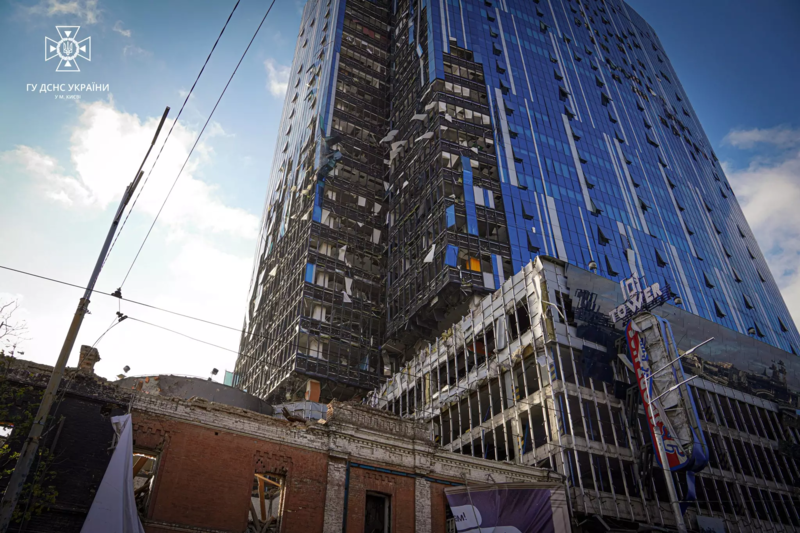
The West has imposed more sanctions on Russians as the war moves into its ninth month. The United Kingdom has announced sanctions on four Russian steel and petrochemical businessmen.
The British government announced Wednesday that it is sanctioning four Russian steel and petrochemical tycoons in what would be the latest measures London is taking to further pressure Moscow over the war it is waging on Ukraine. Among those who were sanctioned are Alexander Abramov and Alexander Frolov, known associates of oligarch Roman Abramovich, who was also sanctioned earlier this year.
“Today we are sanctioning an additional four oligarchs who rely on Putin for their positions of authority and in turn, fund his military machine,” said British Foreign Secretary James Cleverly. “By targeting these individuals, we are ramping up the economic pressure on Putin and will do so until Ukraine prevails.”
Abramov has an estimated net worth of $4.7 billion, and Frolov has an estimated net worth of $1.9 billion, according to a statement from the foreign office. The statement added that Abramov and Frolov were involved in the extractive, transport, and construction sectors.
The sanctions include travel bans, according to the foreign office.
The British government has remained consistent in its support for Ukraine and condemnation of the war and has imposed several rounds of sanctions on Russian individuals and entities since the invasion on February 24. Prime Minister Rishi Sunak spoke with Ukrainian President Volodymyr Zelenskyy last week, pledging London’s continued support for Ukraine and that the support would be “as strong as ever under his premiership.”
The two other tycoons that were sanctioned were Airat Shaimiev, who has a net worth of over $1 billion, and Albert Shigabutdinov, who has a net worth of over $1.1 billion.
A senior Ukrainian official said on the same day that Russia’s re-entry into participating in the United Nations and Turkey-brokered grain export deal with Ukraine was because Moscow realized that the deal would still be in effect without it.
Presidential aide Mykhailo Podolyak said in a statement to Reuters that Russia’s decision to rejoin the deal was an indication that Russian “blackmail” and “escalation and threats” fail when met with a strong response.













