


 Trump Lifts 25% Tariff on Indian Goods in Strategic U.S.–India Trade and Energy Deal
  India–U.S. Interim Trade Pact Cuts Auto Tariffs but Leaves Tesla Out
  Trump Signs “America First Arms Transfer Strategy” to Prioritize U.S. Weapons Sales
  South Korea Assures U.S. on Trade Deal Commitments Amid Tariff Concerns
  Missouri Judge Dismisses Lawsuit Challenging Starbucks’ Diversity and Inclusion Policies
  Pentagon Ends Military Education Programs With Harvard University
  Trump Backs Nexstar–Tegna Merger Amid Shifting U.S. Media Landscape
  TrumpRx.gov Highlights GLP-1 Drug Discounts but Offers Limited Savings for Most Americans
  China Warns US Arms Sales to Taiwan Could Disrupt Trump’s Planned Visit
  Norway Opens Corruption Probe Into Former PM and Nobel Committee Chair Thorbjoern Jagland Over Epstein Links
  U.S. Announces Additional $6 Million in Humanitarian Aid to Cuba Amid Oil Sanctions and Fuel Shortages
  U.S. to Begin Paying UN Dues as Financial Crisis Spurs Push for Reforms
  Trump Endorses Japan’s Sanae Takaichi Ahead of Crucial Election Amid Market and China Tensions
  U.S. Lawmakers to Review Unredacted Jeffrey Epstein DOJ Files Starting Monday
  New York Legalizes Medical Aid in Dying for Terminally Ill Patients
  Trump Says “Very Good Talks” Underway on Russia-Ukraine War as Peace Efforts Continue
  Iran–U.S. Nuclear Talks in Oman Face Major Hurdles Amid Rising Regional Tensions


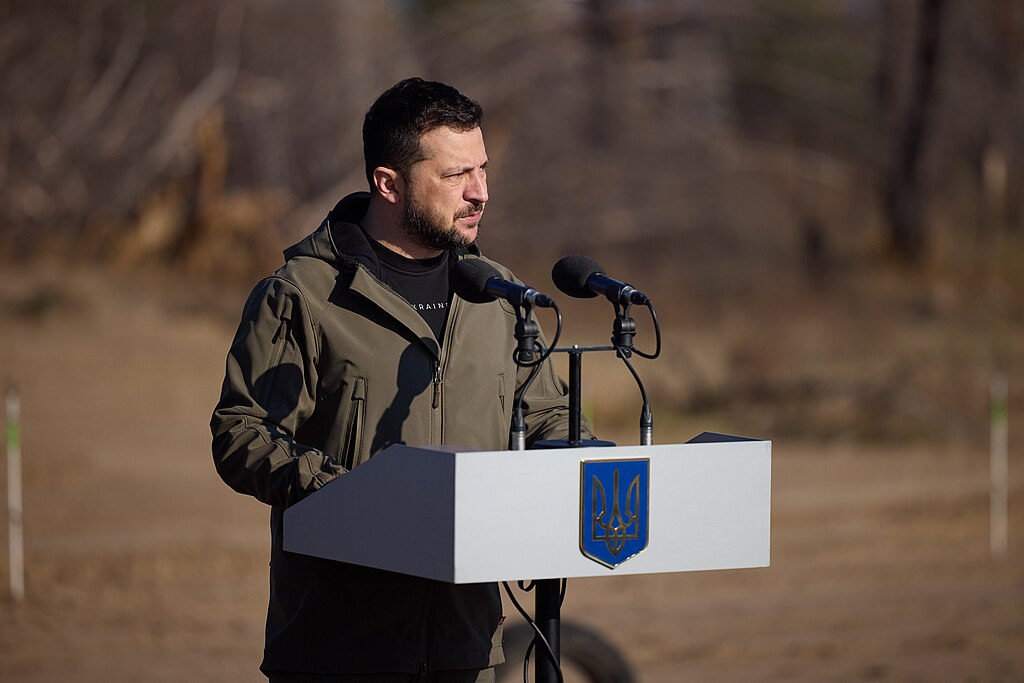
Russia carried out one of its largest attacks of the New Year, striking cities across Ukraine with waves of missiles and drones that killed at least four people and caused widespread blackouts amid freezing temperatures. According to President Volodymyr Zelenskiy, Russia launched nearly 300 drones, 18 ballistic missiles, and seven cruise missiles overnight, targeting energy-generation facilities and substations in eight regions.
Ukrainian air defence forces intercepted 247 drones and seven missiles, but the strikes still damaged 24 sites, triggering emergency power outages in Kyiv, Chernihiv, Odesa, Kharkiv, Dnipropetrovsk, Zaporizhzhia and Donetsk. Millions were left without stable heating or electricity as temperatures plunged to -16°C (3°F) in the capital.
Energy provider DTEK reported severe damage to equipment at one of its thermal plants, further straining Ukraine’s already battered energy infrastructure. Crews have been working nonstop to restore power despite what Zelenskiy described as “extraordinary challenges.” Kyiv Mayor Vitali Klitschko shared updates showing teams repairing heating pipelines, noting that while most buildings now have heat, nearly 500 still require restoration.
Ukraine warns that this fourth winter of the war may be the harshest yet, as relentless Russian strikes coincide with years of accumulated infrastructure damage and unusually severe cold. Moscow claims it is targeting military-industrial sites, but Kyiv says the purpose is to inflict suffering and undermine public morale.
In Kharkiv, a frequent target just 30 km from Russia’s border, four people were killed and more than 30 injured when missiles and drones struck a postal terminal. Odesa also faced fires and damage to a fitness center, school, and other buildings, injuring at least five people.
With Russia advancing slowly in eastern Donetsk and diplomatic efforts stalled as the war nears its fourth anniversary, Ukrainian leaders say the country urgently needs continued international support—especially air defence systems—to survive the winter and protect civilians from escalating attacks.













