


 Bolivia Declares State of Emergency as Roadblock Crisis Deepens
  Andy Burnham Leadership Speculation May Boost FTSE 100 as Gilt Yields Rise
  Keir Starmer Faces Growing Pressure as Reports Suggest Possible Resignation
  Alan Greenspan: 7 Fascinating Facts About the Former Fed Chairman
  Trump Predicts Keir Starmer’s Exit as UK Prime Minister Amid Growing Political Pressure
  Japan, U.S. Discuss Yen Weakness as Currency Intervention Concerns Grow
  US-Iran De-Escalation Shifts Washington’s Focus to AI Regulation and Crypto Legislation
  Moscow Downs Dozens of Ukrainian Drones as Airports Halt Flights Amid Escalating Attacks
  Keir Starmer Faces Growing Pressure as Andy Burnham’s Victory Sparks Labour Leadership Debate
  Taiwan Launches Five-Day Combat Readiness Drill Amid Rising China Military Activity
  US Military Says Strait of Hormuz Remains Open Despite Iran Closure Claim
  How Donald Trump has changed the way diplomacy is done
  Trump’s Quantum Push Lifts IBM Stock as CEO Arvind Krishna Receives White House Praise
  US-Iran Talks Continue in Switzerland Despite Reports of Breakdown Amid Rising Regional Tensions
  US-Iran Peace Talks Show Progress as Switzerland Negotiations Continue
  Ramiro Valdes, Cuban Revolution Hero and Fidel Castro Ally, Dies at 94


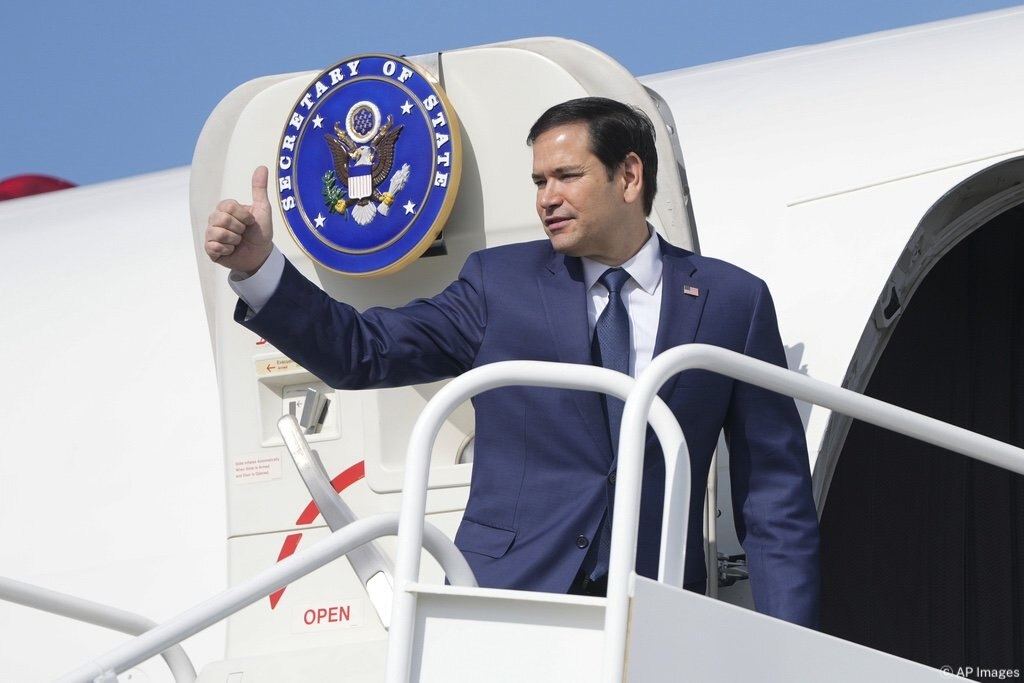
U.S. Secretary of State Marco Rubio will visit the United Arab Emirates, Kuwait, and Bahrain from Tuesday through Thursday as the Trump administration seeks to strengthen support for its preliminary agreement with Iran among key Gulf allies.
During his trip, Rubio is expected to hold discussions with regional leaders and attend a meeting with the Gulf Cooperation Council (GCC) in Bahrain. The GCC includes Bahrain, Saudi Arabia, Qatar, Kuwait, the United Arab Emirates, and Oman. The talks come at a critical time as Gulf states closely assess the implications of the recently signed U.S.-Iran memorandum of understanding (MoU).
Although GCC members have generally welcomed efforts to reduce tensions and end the recent U.S.-Israeli conflict involving Iran, concerns remain about several elements of the agreement. Regional officials are particularly uneasy about reports of a proposed $300 billion reconstruction fund for Iran. Gulf governments fear the funds could help Tehran rebuild military capabilities and continue supporting proxy groups across the Middle East.
Another major concern is the MoU’s lack of provisions addressing Iran’s ballistic missile program. Gulf nations have faced repeated missile and drone threats in recent years and are seeking stronger guarantees regarding regional security.
The visit highlights the strategic importance of U.S.-Gulf relations. Bahrain, Saudi Arabia, Kuwait, Qatar, and the UAE host key American military facilities that form the foundation of Washington’s security presence in the Middle East. Any shift in those partnerships could influence U.S. military operations and regional defense planning.
Rubio’s trip coincides with intensified diplomatic efforts surrounding Iran. President Donald Trump signed the Iran MoU last week during a visit by French President Emmanuel Macron in Versailles, launching a 60-day timeline for negotiations toward a broader agreement. Meanwhile, U.S. negotiators led by Vice President JD Vance participated in talks in Switzerland over the weekend, with mediation from Qatar and Pakistan. Technical discussions are expected to continue throughout the week.
According to State Department spokesperson Tommy Pigott, Rubio will discuss the Iran agreement, maritime security, freedom of navigation through the Strait of Hormuz, and broader efforts to promote peace and stability across the region.







