


 Iran Demands Lebanon Be Part of Any Ceasefire Deal With Israel and the U.S.
  Iran-U.S. Negotiations: Tehran Reviews American Peace Proposal Amid Ongoing Gulf Conflict
  US-Iran Ceasefire Talks Underway: What You Need to Know
  Russia Strikes Kharkiv and Izmail as Cross-Border Drone War Escalates
  Russia-Iran Military Alliance Deepens With Drone Shipments Amid Middle East Tensions
  Iran-Israel Missile Strikes Continue Amid Mixed Signals on U.S.-Iran Diplomacy
  Israel Eyes Litani River as New Border Amid Escalating Lebanon Offensive
  Trump Administration Opens Two New Investigations Into Harvard Over Discrimination and Antisemitism
  Trump Says Iran Offered Major Energy Concession Amid Ongoing Negotiations
  U.S.-Iran Peace Talks Gain Momentum Amid Ongoing Conflict
  Cuba Receives Humanitarian Aid Convoy Amid U.S. Sanctions
  G7 Foreign Ministers Gather in France Amid Global Tensions and U.S. Policy Uncertainty
  Trump Seeks Quick End to U.S.-Iran Conflict Amid Ongoing Middle East Tensions
  U.S. Deploys Elite 82nd Airborne Troops to Middle East Amid Iran Tensions
  Denmark Election 2026: Frederiksen Eyes Third Term Amid Trump-Greenland Tensions
  Maduro Faces Rare Narcoterrorism Charges in U.S. Court
  Bachelet Pushes Forward With UN Secretary-General Bid Despite Chile's Withdrawal


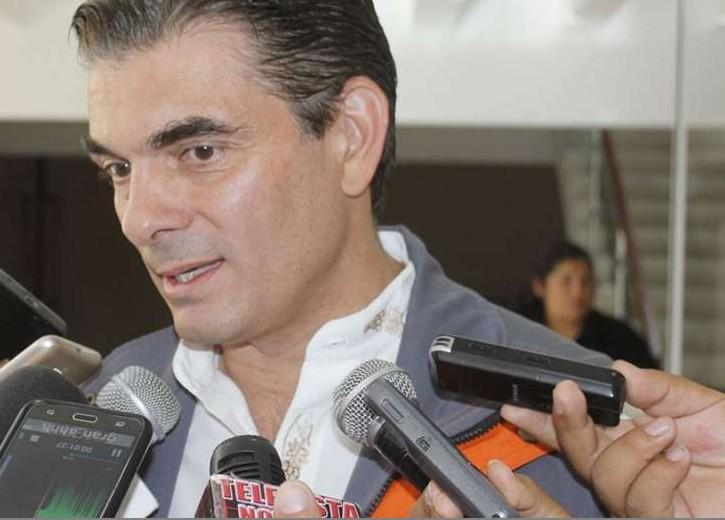
Centrist senator Rodrigo Paz has been elected as Bolivia’s new president, marking a significant political shift after almost 20 years of leftist governance. Paz, representing the Christian Democratic Party (PDC), won 54.5% of the vote in Sunday’s presidential runoff, defeating conservative rival Jorge “Tuto” Quiroga, who garnered 45.5%, according to preliminary results from the electoral tribunal.
Paz will officially assume office on November 8, inheriting a country grappling with its worst economic crisis in decades. In his victory speech from La Paz, he vowed to “open Bolivia to the world” and pursue international cooperation, signaling a new era in Bolivian politics. His moderate stance—committed to preserving social programs while promoting private sector-led economic growth—appealed to disillusioned leftist voters seeking change without austerity.
Paz’s victory ends the dominance of the Movement to Socialism (MAS), founded by former President Evo Morales, which had ruled since 2006. Economic decline, high inflation, and dwindling gas exports weakened the MAS stronghold and shifted voter sentiment toward reform. Paz’s PDC secured 49 of 130 seats in the lower house and 16 of 36 in the Senate, forcing him to build alliances to govern effectively.
The new administration faces urgent challenges, including fuel shortages, inflation, and rebuilding foreign relations. Paz has already discussed a $1.5 billion economic cooperation deal with U.S. officials, aiming to stabilize fuel supplies and attract investment. His plan to phase out universal fuel subsidies—while maintaining targeted support for vulnerable sectors—signals a move toward fiscal responsibility.
With strong support from his populist running mate Edman Lara, Paz now faces the complex task of reviving Bolivia’s economy and uniting a divided nation. His leadership marks a historic turning point, setting Bolivia on a path toward economic reform, political renewal, and global reintegration.













