


 RBI Holds Repo Rate at 5.25% as India’s Growth Outlook Strengthens After U.S. Trade Deal
  South Korea’s Weak Won Struggles as Retail Investors Pour Money Into U.S. Stocks
  Instagram Outage Disrupts Thousands of U.S. Users
  Washington Post Publisher Will Lewis Steps Down After Layoffs
  OpenAI Expands Enterprise AI Strategy With Major Hiring Push Ahead of New Business Offering
  SpaceX Prioritizes Moon Mission Before Mars as Starship Development Accelerates
  Thailand Inflation Remains Negative for 10th Straight Month in January
  Asian Stocks Slip as Tech Rout Deepens, Japan Steadies Ahead of Election
  Global PC Makers Eye Chinese Memory Chip Suppliers Amid Ongoing Supply Crunch
  Nasdaq Proposes Fast-Track Rule to Accelerate Index Inclusion for Major New Listings
  SoftBank Shares Slide After Arm Earnings Miss Fuels Tech Stock Sell-Off
  Prudential Financial Reports Higher Q4 Profit on Strong Underwriting and Investment Gains
  Gold and Silver Prices Rebound After Volatile Week Triggered by Fed Nomination
  Trump Endorses Japan’s Sanae Takaichi Ahead of Crucial Election Amid Market and China Tensions
  Tencent Shares Slide After WeChat Restricts YuanBao AI Promotional Links
  U.S.-India Trade Framework Signals Major Shift in Tariffs, Energy, and Supply Chains
  Trump Backs Nexstar–Tegna Merger Amid Shifting U.S. Media Landscape


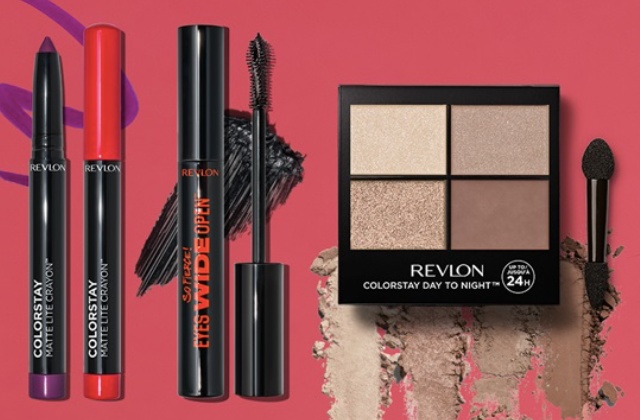
Revlon Inc. has finally filed for bankruptcy and said this is a voluntary move as it takes steps towards company restructuring. The company will continue to work on its strategic plan to revive the brand.
As per Reuters, Revlon filed for Chapter 11 bankruptcy protection on Wednesday, June 15, and it was a decision to take as it has been struggling to compete with other start-up brands that have been doing business online in recent years.
Based on the statements in its filing with the U.S. Bankruptcy Court for the Southern District of New York, the American global company that makes and sells cosmetics, skincare, fragrance, and personal care, has listed its assets and liabilities as between $1 billion and $10 billion.
It was noted that Revlon’s voluntary bankruptcy filing comes just days after the Wall Street Journal mentioned that the cosmetics company started talks with lenders to avoid bankruptcy. The talks were scheduled as the maturities of the firm’s debt get closer.
The company has been struggling to keep up with newer cosmetic brands such as those created by celebrities like Rihanna’s Fenty Beauty and Kylie Jenner’s Kylie Cosmetics. Revlon’s sales have been declining as it also experienced difficulties with supply and failure to immediately switch to skincare products that are most in-demand these days.
Revlon has been operating for 90 years already, and it was unfortunate that its debts have ballooned to the point that it has to file for Chapter 11 bankruptcy protection. In any case, with this filing, the company will be able to strategically reorganize its finances and get back up again.
“Today’s filing will allow Revlon to offer our consumers the iconic products we have delivered for decades while providing a clearer path for our future growth,” Revlong’s chief executive officer, Debra Perelman, said in a press release. “Consumer demand for our products remains strong – people love our brands, and we continue to have a healthy market position. But our challenging capital structure has limited our ability to navigate macro-economic issues in order to meet this demand.”
She added, “By addressing these complex legacy debt constraints, we expect to be able to simplify our capital structure and significantly reduce our debt, enabling us to unlock the full potential of our globally recognized brands.”













