


 Senate Stablecoin Bill Sparks Clash Between Banks and Crypto Industry
  Trump-Xi Beijing Summit to Focus on Trade, Taiwan, and Boeing Deal
  Mexico President Claudia Sheinbaum Reconsiders Early School Closure Plan Ahead of 2026 World Cup
  Trump Credits Belarus Prisoner Release in U.S.-Backed Swap
  Trump Rejects Iran Proposal as Strait of Hormuz Crisis Pushes Oil Prices Higher
  Netanyahu Signals Plan to End Reliance on U.S. Military Aid Within 10 Years
  Trump Administration Releases New UFO Files and Apollo Mission Records
  Russia Accuses Ukraine of Ceasefire Violations Amid Drone and Artillery Attacks
  US Auto Industry Urges Trump to Block Chinese EV Market Access
  Israeli Strikes in Gaza Kill Three Amid Fragile Ceasefire Tensions
  TikTok Nears $400 Million Settlement With Trump Administration Over Child Privacy Lawsuit
  Qatar LNG Tanker Crosses Strait of Hormuz Amid Iran War Tensions
  Russian LNG Shadow Fleet Expands Amid Arctic LNG 2 Sanctions
  Iran Military Readiness Intensifies After Meeting With Mojtaba Khamenei
  Malaysia Unveils Energy Security Plan Amid Iran Conflict and Rising Oil Costs
  Trump Announces Russia-Ukraine Ceasefire for May 9-11 Amid Ongoing Peace Talks


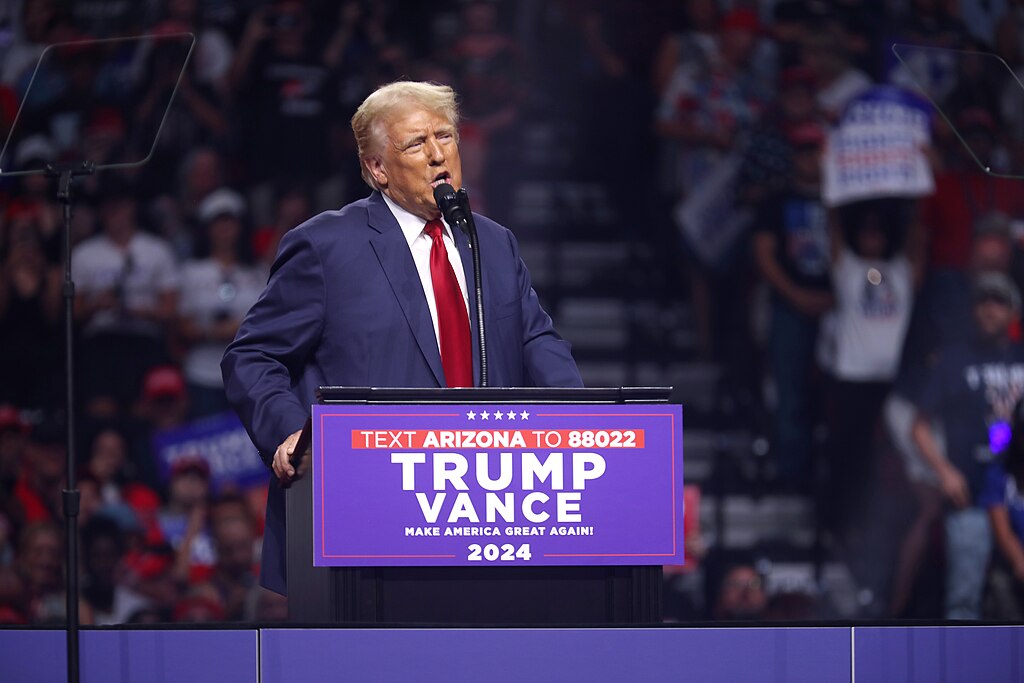
A recent Quinnipiac University poll reveals that former President Donald Trump is currently favored to win the popular vote in the 2024 presidential election, marking a significant shift for the Republican Party. If these predictions hold, Trump would be the first Republican candidate to win the popular vote since George W. Bush’s re-election in 2004. The findings reflect a potential change in electoral dynamics and underscore Trump’s enduring influence on the GOP as he vies for a return to the White House.
The results of this poll come as a surprise to political analysts who have witnessed Republicans struggle to win the popular vote in recent presidential elections. Since Bush’s 2004 victory, Republican candidates have consistently fallen short in the national popular vote, despite winning the presidency in 2016 when Trump triumphed via the Electoral College while losing the popular vote to Hillary Clinton by nearly three million votes. Now, as Trump mounts another bid for the presidency, polling data suggests a notable shift in public sentiment, raising questions about what is driving this potential reversal.
Key to Trump’s apparent popularity is his ability to energize his core base of supporters while appealing to swing voters who may have felt disillusioned with both major parties. His platform, which continues to focus on issues like immigration, economic recovery, and skepticism toward global institutions, appears to resonate with a significant portion of the electorate. Trump’s messaging, often geared toward working-class voters and disaffected Republicans, has also garnered attention in battleground states crucial to winning both the popular vote and the Electoral College.
Another factor behind Trump’s surge in popular vote support may be the economic conditions in the United States, particularly inflation and concerns about jobs. Voters grappling with economic uncertainty could be more inclined to support Trump, who has repeatedly framed himself as a champion of economic growth and nationalistic policies. His campaign is likely to emphasize his previous tenure in the White House, during which he will highlight economic achievements prior to the COVID-19 pandemic.
However, while Trump’s popularity has seen an upswing, political observers caution that polling data is far from a definitive predictor of election outcomes. The Electoral College system, which ultimately determines the presidency, can result in different outcomes than the popular vote, as demonstrated by Trump’s own victory in 2016. Additionally, voter turnout, campaign strategies, and unforeseen events could still shape the 2024 race in unexpected ways.
Despite the Quinnipiac poll’s findings, Trump remains a polarizing figure in American politics, and his potential candidacy has reignited intense debates within both the Republican Party and the broader electorate. His critics argue that Trump’s divisive rhetoric and legal challenges could alienate moderate voters, while his supporters view him as the candidate most capable of addressing the country’s pressing concerns.
Disclaimer: EconoTimes cannot independently verify the accuracy of the Quinnipiac poll’s findings or predict future electoral outcomes.
As the 2024 election cycle intensifies, this new poll suggests that Trump’s dominance within the GOP remains strong, positioning him as a formidable contender. Whether Trump will be able to convert this polling advantage into a popular vote victory—and break the Republican Party’s two-decade drought—remains to be seen. With months of campaigning ahead, the political landscape could shift dramatically before voters head to the polls next November.







