


 Japanese Pharmaceutical Stocks Slide as TrumpRx.gov Launch Sparks Market Concerns
  South Korea’s Weak Won Struggles as Retail Investors Pour Money Into U.S. Stocks
  Gold Prices Slide Below $5,000 as Strong Dollar and Central Bank Outlook Weigh on Metals
  China Extends Gold Buying Streak as Reserves Surge Despite Volatile Prices
  U.S.-India Trade Framework Signals Major Shift in Tariffs, Energy, and Supply Chains
  Trump Lifts 25% Tariff on Indian Goods in Strategic U.S.–India Trade and Energy Deal
  Singapore Budget 2026 Set for Fiscal Prudence as Growth Remains Resilient
  Trump Signs Executive Order Threatening 25% Tariffs on Countries Trading With Iran
  Bank of Japan Signals Readiness for Near-Term Rate Hike as Inflation Nears Target
  Global Markets Slide as AI, Crypto, and Precious Metals Face Heightened Volatility
  South Africa Eyes ECB Repo Lines as Inflation Eases and Rate Cuts Loom
  Dollar Steadies Ahead of ECB and BoE Decisions as Markets Turn Risk-Off
  Trump Endorses Japan’s Sanae Takaichi Ahead of Crucial Election Amid Market and China Tensions
  Trump’s Inflation Claims Clash With Voters’ Cost-of-Living Reality
  Russian Stocks End Mixed as MOEX Index Closes Flat Amid Commodity Strength
  Gold and Silver Prices Slide as Dollar Strength and Easing Tensions Weigh on Metals
  Fed Governor Lisa Cook Warns Inflation Risks Remain as Rates Stay Steady


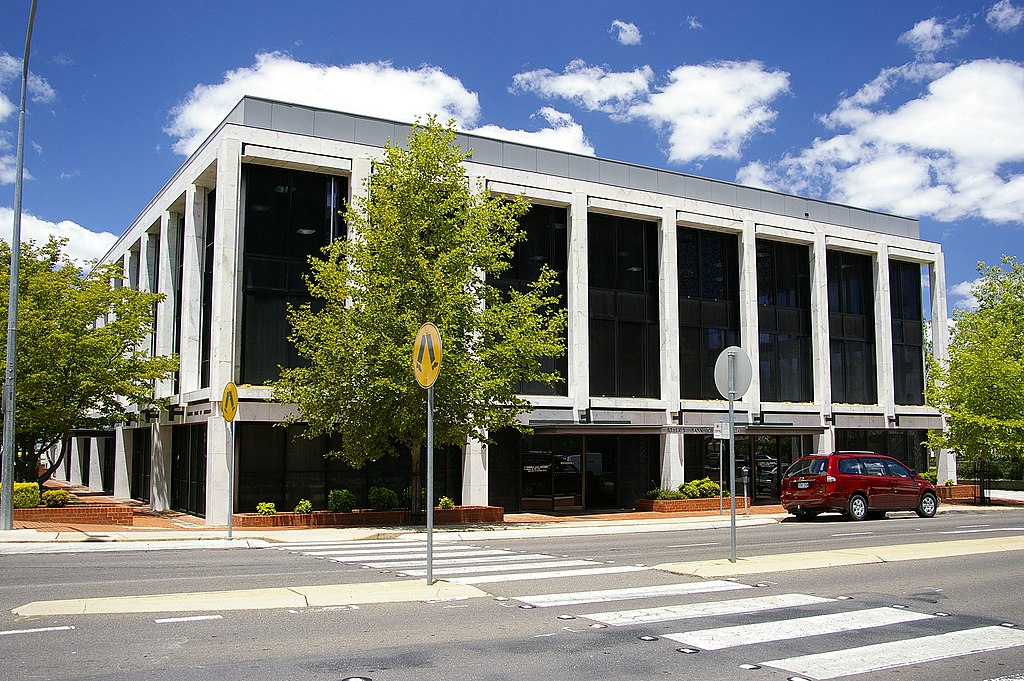
RBA Holds Rates Steady, Emphasizes Inflation Concerns
The Reserve Bank of Australia (RBA) left its benchmark interest rate unchanged at 4.35% on Tuesday, signaling a sustained restrictive monetary stance due to persistent inflation concerns. The decision aligns with market expectations, following the RBA’s last rate hike over a year ago.
Inflation Remains RBA’s Top Priority
The RBA reinforced its commitment to lowering inflation to its target range of 2%–3%, stating that “policy will need to be sufficiently restrictive until inflation is sustainably moving towards the target.” While the latest Consumer Price Index (CPI) data showed a decrease within the RBA’s target range, underlying inflation remains stubbornly high, with a sustainable drop only anticipated by 2026.
Economic Growth Slows Amid High Rates
Australia’s economy has cooled in recent quarters due to rising borrowing costs, yet inflation remains high, driven by a strong labor market, elevated housing expenses, and persistent service costs. Despite economic pressures, the RBA has not signaled any shift towards easing monetary policy, diverging from other central banks like the U.S. Federal Reserve, which has started cutting rates.
Market Reactions
Following the RBA’s decision, the Australian dollar gained slightly, with the AUD/USD pair rising by 0.1%, as investors anticipate higher rates for an extended period. However, Australian stocks continued to struggle, with the ASX 200 index trading 0.4% lower.













