


 Trump’s Inflation Claims Clash With Voters’ Cost-of-Living Reality
  Pentagon Ends Military Education Programs With Harvard University
  Ohio Man Indicted for Alleged Threat Against Vice President JD Vance, Faces Additional Federal Charges
  Trump Allows Commercial Fishing in Protected New England Waters
  U.S. Announces Additional $6 Million in Humanitarian Aid to Cuba Amid Oil Sanctions and Fuel Shortages
  Iran–U.S. Nuclear Talks in Oman Face Major Hurdles Amid Rising Regional Tensions
  Trump Says “Very Good Talks” Underway on Russia-Ukraine War as Peace Efforts Continue
  U.S. Lawmakers to Review Unredacted Jeffrey Epstein DOJ Files Starting Monday
  New York Legalizes Medical Aid in Dying for Terminally Ill Patients
  Japan Election 2026: Sanae Takaichi Poised for Landslide Win Despite Record Snowfall
  India–U.S. Interim Trade Pact Cuts Auto Tariffs but Leaves Tesla Out
  China Warns US Arms Sales to Taiwan Could Disrupt Trump’s Planned Visit
  South Korea Assures U.S. on Trade Deal Commitments Amid Tariff Concerns
  Trump Signs Executive Order Threatening 25% Tariffs on Countries Trading With Iran
  Trump Lifts 25% Tariff on Indian Goods in Strategic U.S.–India Trade and Energy Deal
  U.S. to Begin Paying UN Dues as Financial Crisis Spurs Push for Reforms
  Trump Allegedly Sought Airport, Penn Station Renaming in Exchange for Hudson River Tunnel Funding


Republicans in Congress are introducing a $150 billion defense package to enhance U.S. military capabilities, including a $27 billion boost to President Donald Trump’s Golden Dome missile defense shield. The plan, which supplements the $886 billion national security budget for 2025, supports missile defense, shipbuilding, and artificial intelligence-driven military tech.
The package, tied to Trump’s sweeping $5 trillion tax cut proposal, includes funding for 14 new warships, 40 Boeing F-15EX fighter jets, and expanded production of munitions and low-cost weapons. A major portion—$29 billion—is earmarked for naval procurement, with the largest-ever investment in unmanned vessels. The bill also sets aside $14 billion for AI-powered defense systems and $5 billion for autonomous technologies.
Lockheed Martin’s THAAD system will see significant procurement expansion, while Elon Musk’s SpaceX and partners are expected to play a key role in missile tracking infrastructure under the Golden Dome initiative. The bill allocates $6 billion toward weapon priorities in the Indo-Pacific, aiming to counter China’s military rise.
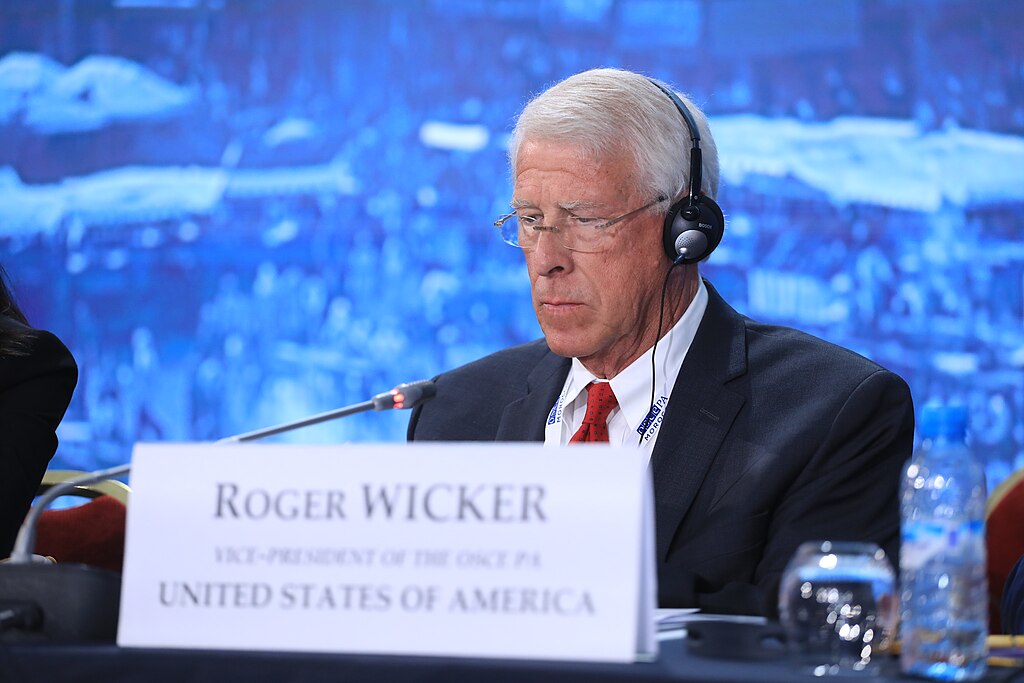
Senate Armed Services Chairman Roger Wicker emphasized the package's strategic importance, stating that strengthening U.S. presence in the Indo-Pacific would deter China and preserve global stability. House counterpart Mike Rogers said the bill would bolster the defense industrial base and deliver urgent support to servicemembers.
An additional $700 million targets the Pentagon’s longstanding audit issues by accelerating the adoption of automated business systems. Unlike traditional defense budgets, much of the funding in this measure will not expire at the end of the fiscal year, ensuring longer-term impact.
The bill is set to advance via budget reconciliation, allowing it to bypass the Senate filibuster with a simple majority vote. The measure could reach President Trump’s desk within weeks.













