


 Australia Inflation Accelerates to 4% After RBA Rate Hike
  BOJ Signals Faster Rate Hikes as Inflation Risks Grow
  Asian Stocks Mixed as Markets Await U.S. Jobs Data
  Fed’s Logan Signals 50 Basis Points More in Rate Hikes
  India Manufacturing Growth Hits Seven-Month High in September
  US Stocks Slip as Treasury Yields Ease, AI Trade Rebounds
  Gold Prices Steady as Markets Await U.S. Jobs Data
  Asian Currencies Mixed as Yen Slides on BOJ Rate Signals
  Gold Prices Fall Amid Rate Jitters; Copper Steady as China Stimulus Eyed
  Yen Strengthens on Tokyo Inflation as Dollar Awaits US Jobs Data
  Trump Eyes $54 Billion South Korean Investment in Alaska LNG


 Add as a preferred source on Google
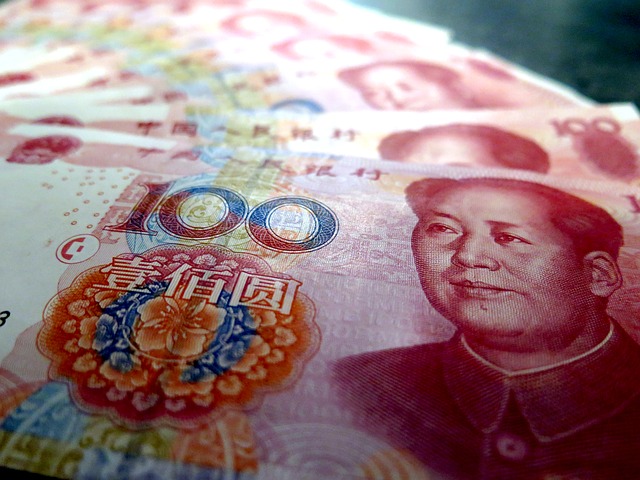
The Chinese yuan has been steadily losing its attraction, according to a report by Swift payment system. As an effect of economic stagnation, uncertainties surrounding high levels of domestic debt, higher volatilities in its domestic markets, surprised devaluations of the yuan in August in 2015, large depreciation last year, and due to ongoing weakness in the yuan, it has been losing its stature in the global payment system. The happening remains in contrary to the popular expectations that after inclusion of the yuan in International Monetary Fund’s (IMF) Special Drawing Rights (SDR) basket will increase its popularity in global payments. IMF officially included yuan into its SDR basket last year.
Several of major global institutions such as the Bank of International Settlements (BIS) have warned against the non-performing assets in the banks of China, especially on how highly leveraged economy could call forth a crisis.
The rise of the yuan:
Yuan rose sharply into prominence post-financial crisis, which finally led IMF to recognize its claim to be included in SDR basket.
- Back in January 2012, Yuan first entered among the 20 most used currency in transactions, accounting for just 0.25% of all transactions.
- And in January 2013, Yuan rose to rank 13th among currencies most used for global payments, accounting for only 0.63% of all transactions. By January 2014, it rose further to 7th position, surpassing currencies like Swiss Franc, Hong Kong Dollar, accounting for 1.39% of all global FX transactions.
- According to data from SWIFT, by August 2015, Yuan’s rank improved to fourth surpassing Japanese Yen and accounting for 2.79% of all global transactions.
Decline in popularity –
Surprised devaluation of Yuan in August and fear of hard landing is doing the damage to the yuan, whose rank is slipping in currency payment system, according to SWIFT data.
- After Surpassing Yen by August 2015, the yuan’s position slipped to fifth after USD, EUR, GBP, and JPY, accounting for 2.31% of all transactions.
- According to data in March 2016, Yuan’s share in global transactions dropped to lowest since October 2014 to 1.76 percent. In June, it was 1.72 percent.
- In August 2015, the yuan was the fourth most used currency in the world in global transactions, it now ranks as sixth.
- According to an October 2016 report from SWIFT, the yuan accounted for 1.67 percent of global transactions, which is the weakest level since October 2014, when it accounted for 1.59 percent of all transactions.
- According to SWIFT data, in December yuan accounted for 1.68 percent of all transactions, which is more than 15 percent lower, compared to the previous year.
- According to latest data from Swift that includes February 2017, the share of the Chinese currency in the global system has risen to 1.84 percent. However, It still remains the sixth most used currency and far away from challenging dollar’s global dominance. US dollar was used in 41 percent of all transactions far ahead of euro’s 32 percent share. The pound was used in 7.4 percent cases and the Japanese yen accounted for 3.3 percent transactions. Yuan was able to beat yen back in August 2015. The Canadian dollar remains the fifth most used currency with 1.89 percent share.
The yuan is currently trading at 6.89 per dollar.







