


 Tesla Stock Outlook: Strong EV Sales Boost Earnings, but AI Projects Drive Long-Term Value
  Chalco Shares Jump as Chinalco Plans Up to $300 Million Stake Increase
  Wistron Opens $700M Texas AI Factory to Build Nvidia Superchips in U.S.
  ASML Trillion-Dollar Valuation: Can Europe’s AI Chip Giant Reach the Historic Milestone?
  SpaceX Targets Thursday Launch for Starship's 13th Test Flight After Last-Minute Delay
  South Korea’s Coupang Fine Sparks U.S. Criticism, Raising Concerns Over Bilateral Ties
  SpaceX Q2 Earnings on Aug. 4 Set Stage for Historic Insider Share Unlock
  Australia ASIC Tightens Auditor Oversight After KPMG Leak Scandal
  Lockheed Martin Unveils Lower-Cost Patriot ACE Interceptor to Meet Rising Air Defense Demand
  Wistron Opens $700M Texas AI Factory to Build Nvidia GB300 Superchips
  Foxconn Wins First SpaceX AI Server Contract Worth Estimated $52 Billion
  Samsung Biologics Launches $1.81 Billion Bid to Acquire PolyPeptide
  TSMC Sees Multi-Year AI Chip Demand as Arizona Expansion Reaches $265 Billion
  Why Maruti Suzuki Is Losing Market Share in India as SUVs and Premium Features Gain Popularity
  KKR, AEW Seek China Property Sales as Commercial Real Estate Slump Deepens
  Samsung Cuts U.S. Consumer Electronics Jobs as Headquarters Moves to Texas


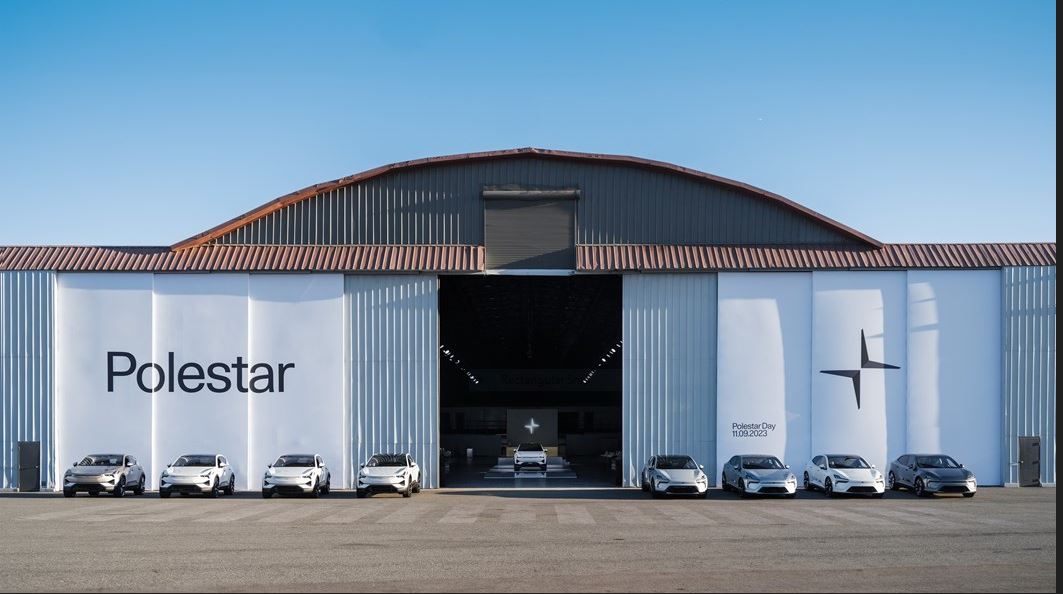
Renault Korea has announced its plans to manufacture the upcoming electric vehicle, Polestar 4, at its plant in Busan starting in 2025. This collaboration between Renault Group and China's Geely Group has evolved from joint vehicle development to production.
The French automaker's Korean unit confirmed the production of the pure electric SUV by the second half of 2025 following an agreement reached between Polestar, Geely Holding, and Renault Korea, as per Korea Times.
Polestar 4 Production and Shareholding Strategy
Polestar, a joint venture between Geely and Volvo Cars that specializes in EVs, revealed that the Polestar 4 will be manufactured in China for the Chinese market. Meanwhile, the vehicles produced in Busan will be sold in both the Korean and North American markets, according to a press release by the Renault Group.
Renault Korea's Busan plant, employing around 2,000 workers, is strategically located near a port, facilitating the export of EVs. Remarkably, it is recognized as one of Renault's top-performing factories worldwide in terms of quality.
With Geely acquiring a 34.02 percent stake in Renault Korea last year, the cooperation between the two companies has flourished. In addition to the production of the Polestar 4, Renault Korea has plans to manufacture its hybrid electric SUV next year, based on a platform jointly developed by Volvo and Geely.
This collaborative endeavor signifies Renault Korea Motors' rejuvenation and ambitious vision for the future. The CEO of Renault Korea, Stephane Deblaise, expressed his gratitude to the Polestar brand for their trust and emphasized the potential for further opportunities with the strong shareholders, Renault Group and Geely Group.
The Next Step in Manufacturing Footprint
Polestar CEO, Thomas Ingenlath, expressed his satisfaction in diversifying the manufacturing footprint in partnership with Geely Holding and Renault Korea Motors. He commended Renault Korea for sharing their focus on quality and sustainability. This collaboration not only marks a significant milestone for the Busan plant but also reinforces the commitment to producing cutting-edge electric vehicles.
Renault Korea's Busan plant boasts a maximum annual production capacity of 300,000 units, although it has operated below this threshold for the past three years, with a production count of less than 200,000 units. Last year, the plant's production capacity increased with the introduction of the hybrid XM3. However, the specific production scale for the Polestar EV, scheduled for production in 2025, has not yet been disclosed.
Photo: Polestar Media Newsroom







