


 US Dollar Hits Two-Month High as Aussie, Pound Slide
  Oil Prices Jump Nearly 3% as Iran Holds Firm on Hormuz Conditions
  UK Housebuilder Stocks Surge on New First-Time Buyer Loan Scheme
  BOJ Set for 25-Basis-Point Rate Hike as Yen Weakness Fuels Inflation
  Fed’s Williams Signals One More Rate Hike Before Year-End
  RBA Says ASX Still Falls Short on Governance and Risk Controls
  China Cuts Tariffs on U.S. Farm Goods but Excludes Soybeans
  Yen Sinks as BOJ Rate Hike Fails to Impress Markets
  Global Central Banks Brace for More Rate Hikes as Inflation Risks Rise
  Nvidia China Chip Sales Report Sends Chinese Semiconductor Stocks Lower
  BlackRock’s Rick Rieder Favors Bonds Over Stocks as Treasury Yields Surge
  Gold Slides Below $4,300 as Oil Surge Fuels Fed Rate Hike Bets
  Japan Warns Markets Over Yen Weakness


 Add as a preferred source on Google
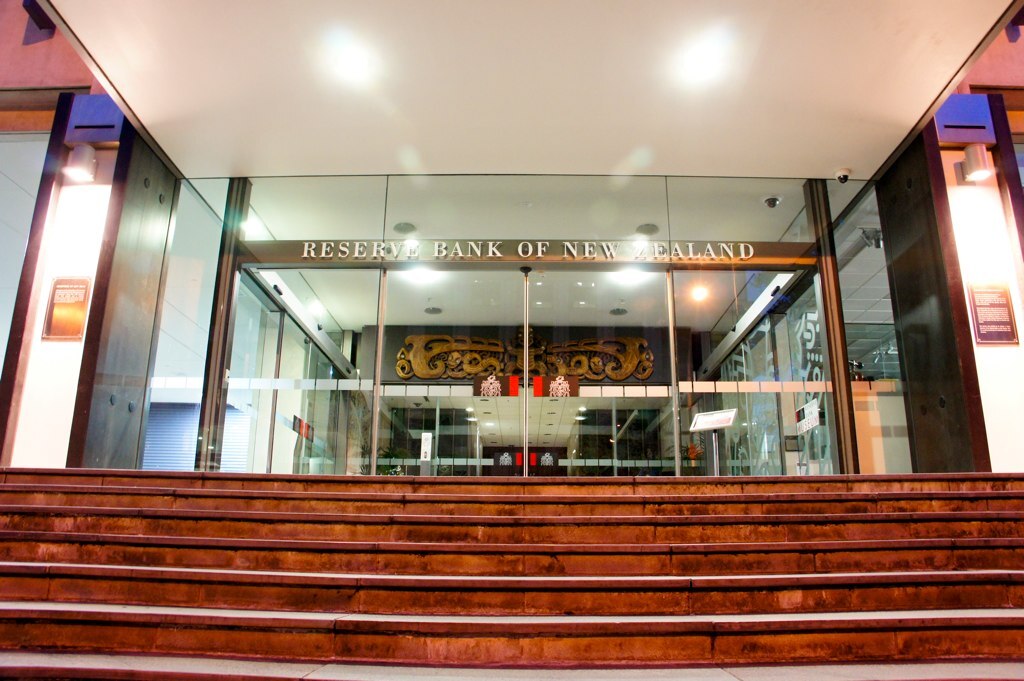
The Reserve Bank of New Zealand (RBNZ) kept its official cash rate (OCR) unchanged at 2.25% on Wednesday, signaling that monetary policy will remain supportive as inflation gradually moves back toward the midpoint of its target range. The decision follows a 25 basis point rate cut delivered in late November, part of a broader easing cycle aimed at supporting economic recovery.
Annual inflation in New Zealand rose to 3.1% in the December 2025 quarter, slightly above the RBNZ’s 1% to 3% target band. The increase was largely driven by higher food prices, electricity costs, and rising local council rates. However, the central bank expects headline inflation to return within its target range in the March quarter and trend toward the 2% midpoint over the next 12 months. Policymakers cited spare economic capacity, moderate wage growth, and contained core inflation as key factors supporting this outlook.
The RBNZ noted that previous interest rate cuts since 2024 have helped stimulate a gradual economic rebound. Growth has broadened across manufacturing, construction, and parts of the retail sector. New Zealand’s GDP expanded by 1.1% in the September quarter, recovering from a contraction in June. Still, officials cautioned that quarterly volatility may exaggerate the pace of recovery.
Despite signs of improvement, challenges remain. The housing market continues to show weakness, and household spending remains cautious. At the same time, business investment intentions have strengthened, and strong export prices are providing additional support to economic activity.
The Monetary Policy Committee described risks to the inflation outlook as balanced, pointing to uncertainty surrounding global trade policy, geopolitical tensions, and artificial intelligence-driven investment cycles. The RBNZ emphasized that tightening policy too soon could undermine the recovery, while gradual normalization will occur once inflation is sustainably anchored near the 2% target.







