


 Gold Price Hits Two-Month High as Investors Await US Inflation Data
  US Dollar Holds Firm as Fed Outlook and Iran Tensions Keep Markets on Edge
  Japan Government Backs Earlier BOJ Rate Hike as Inflation Pressures Build
  Australia Housing Crisis Deepens as Worker Shortages Delay Homebuilding
  KOSPI Rebounds 20% as Samsung, SK Hynix Lead South Korea Stock Rally
  Oil Prices Rise as Hormuz Tensions Threaten Global Supply
  Gold Prices Rise as Fed Rate Hike Bets Ease
  Gold Prices Slip From Two-Month High as Inflation and Fed Outlook Drive Markets
  Oil Prices Rise as US-Iran Talks Stall, Inflation Risks Grow
  England Drought Expands to 71% as Heatwave Deepens Water Crisis
  Trump Weighs Capital Gains Tax Cuts Ahead of Midterms
  U.S. Stock Futures Flat Ahead of July CPI Data
  S&P 500, Nasdaq Slip as Oil Jumps on Iran Tensions
  European Stocks Rise as U.S. Inflation Data Eases Fed Rate Hike Fears
  Asian Currencies Steady as Dollar Holds Firm After U.S. Inflation Data
  Canada, US Hold Fresh Trade Talks as August 19 Tariff Deadline Nears
  Oil Prices Slide as OPEC, IEA Cut 2026 Demand Forecasts


 Add as a preferred source on Google
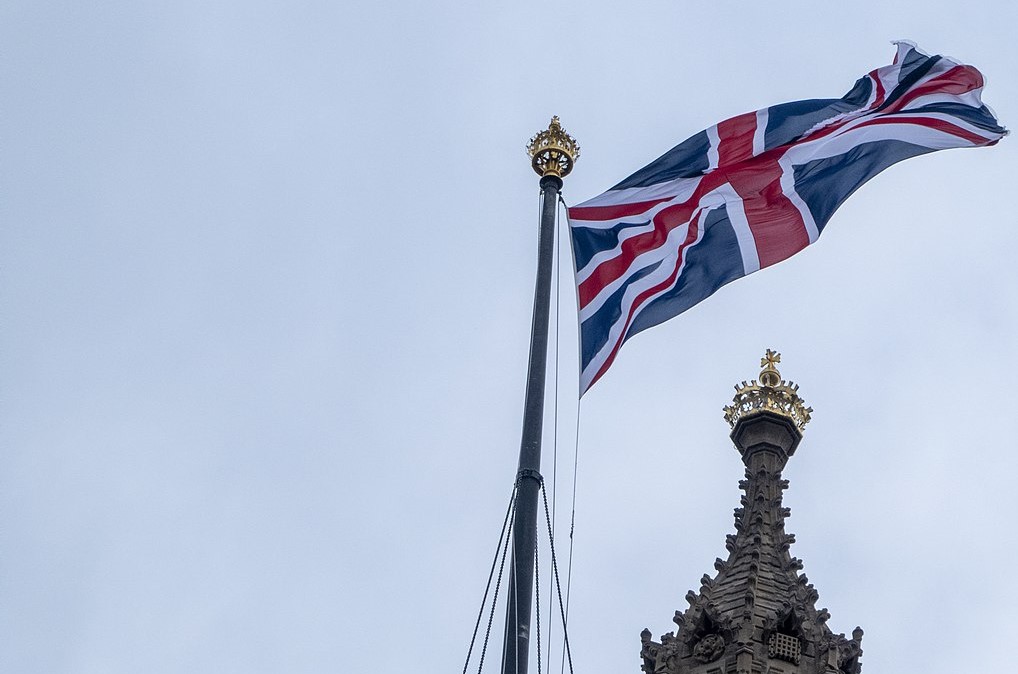
Britain’s economy recorded stronger-than-expected growth in June 2026, supported by easing concerns over the Iran war, the men’s soccer World Cup and hot weather, according to official figures released Thursday.
UK gross domestic product (GDP) increased 0.3% month on month in June after showing no growth in May. Economists surveyed by Reuters had expected GDP to remain unchanged. The performance put Britain on track to deliver the strongest first-half growth among Group of Seven economies.
The Office for National Statistics (ONS) said businesses reported fewer disruptions related to the Iran war during a temporary ceasefire. Meanwhile, the World Cup provided a boost to alcoholic drinks producers, food companies, television production and advertising. Retailers and some manufacturers also benefited from warmer weather.
Services, which make up the largest part of the UK economy, expanded 0.4% in June. However, industrial production fell 0.2%, while construction output declined 0.1%.
Across the second quarter, covering April through June, the UK economy grew 0.4%. That marked a slowdown from 0.6% growth during the first quarter but matched economists’ expectations and remained relatively strong. Household consumption and business investment also increased.
Despite the positive UK GDP figures, economists remain cautious about the outlook. The Bank of England had forecast second-quarter growth of 0.3% and estimates underlying economic growth at around 0.1%. It expects growth to stall during the July-to-September quarter.
Economic pressures have also intensified following renewed conflict with Iran, which has driven energy prices higher. Analysts warn that uncertainty surrounding potential tax increases in Finance Minister John Healey’s first budget on October 28 could further weigh on businesses and households.
Prime Minister Andy Burnham, who succeeded Keir Starmer following his July resignation, has pledged to reduce business costs and tackle household cost-of-living pressures amid a challenging fiscal environment.
Separate ONS trade figures showed that inflation-adjusted UK fuel imports reached their highest level since December 2022 in June, highlighting continued exposure to global energy market volatility.







