


 OpenAI, Anthropic CEOs Summoned to Australia AI Inquiry
  RBA Set for September Rate Hike as Inflation Stays High
  China Consumer Stocks Near Decade Lows as AI Shares Surge
  BlackRock’s Rick Rieder Favors Bonds Over Stocks as Treasury Yields Surge
  UN Experts Urge US to Halt Third-Country Migrant Deportations
  Japan Warns Markets Over Yen Weakness
  Second DOJ Lawyer Exits Trump Probe
  China, US Extend Trade Truce Through January 10 After Trump-Xi Summit
  National Rally Secures French Senate Caucus for First Time
  Australia Budget Deficit Narrows to A$22.3 Billion on Stronger Tax Revenue
  Republicans Flood Safe House Races With Cash as Midterm Risks Rise
  U.S. Stock Futures Fall as Iran, Oil and AI Risks Rattle Markets
  China Cuts Tariffs on U.S. Farm Goods but Excludes Soybeans
  Senate Democrats Say Tether USDT Helps Iran Evade Sanctions
  Oil Prices Jump Nearly 3% as Iran Holds Firm on Hormuz Conditions
  Asian Chip Stocks Tumble as OpenAI Safety Pause Sparks AI Growth Concerns
  Nvidia China Chip Sales Report Sends Chinese Semiconductor Stocks Lower


 Add as a preferred source on Google
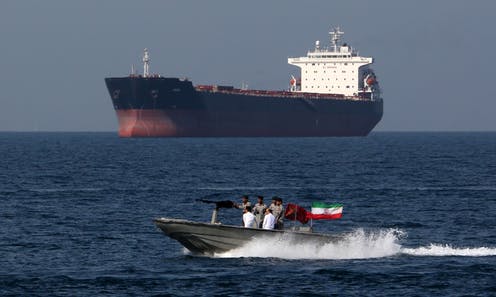
Shipping through the Strait of Hormuz slowed to a near standstill on Friday after two more vessels were attacked, while the United States signaled it could maintain its naval blockade of Iran indefinitely.
The disruption comes as efforts to extend a June agreement aimed at ending the U.S.-Israel war with Iran remain stalled. Iran has resumed attacks on vessels it accuses of attempting to cross the strategic waterway without authorization.
Abu Dhabi National Oil Company said two of its vessels were attacked while transiting the strait on Thursday evening. The United Arab Emirates blamed Iran, which did not immediately respond to the accusation.
Ship-tracking data from Kpler showed only two vessels completed passages through the Strait of Hormuz on Friday, while another empty liquefied petroleum products tanker was entering the Gulf. No crude oil shipments were visible.
Traffic has fallen dramatically from more than 130 vessels per day before the war began in February. Analysts say Iran’s ability to restrict Strait of Hormuz shipping remains one of Tehran’s strongest sources of negotiating leverage.
U.S. Defense Secretary Pete Hegseth said the Navy could sustain its blockade by rotating ships through the region. Treasury Secretary Scott Bessent also indicated that Washington plans to announce additional economic measures against Iran next week.
The continuing crisis has intensified concerns over global oil supply. Brent crude traded around $87 per barrel, while U.S. West Texas Intermediate crude was near $81. Asian refiners have also sought alternative supplies, including U.S. crude.
Iran says commercial shipping will not fully resume until its demands are addressed, including the removal of economic sanctions and the release of frozen Iranian assets. An Iranian parliamentary committee has meanwhile approved a plan that would prohibit vessels and equipment linked to the U.S., Israel and other countries Tehran considers hostile from transiting the strait.
Concerns about a wider Middle East conflict also increased following reports that Yemen’s Iran-backed Houthis targeted a Saudi Aramco refinery with drones. Economists warn prolonged disruption to Gulf energy supplies could weaken global growth and increase recession risks.







