


 Asian Currencies Mixed as Dollar Holds Near Two-Month High
  BOJ Set for Rate Hike as Inflation and Yen Pressure Mount
  US Dollar Hits Two-Month High as Fed Rate Hike Bets Rise
  Oil Prices Ease as Iran Tensions Clash With Diplomacy Hopes
  Trump, Xi Focus on Trade and AI at White House Summit
  Gold Prices Fall as Treasury Yields Rise on Fed Rate Hike Bets
  China Boosts Gold Reserves by 650,000 Ounces as Prices Rally
  Japanese Yen Retreats as Dollar Rises Ahead of Fed, BOJ Rate Decisions
  Yen Sinks as BOJ Rate Hike Fails to Impress Markets
  JPMorgan Sees ECB Raising Rates to 2.75% in December


 Add as a preferred source on Google
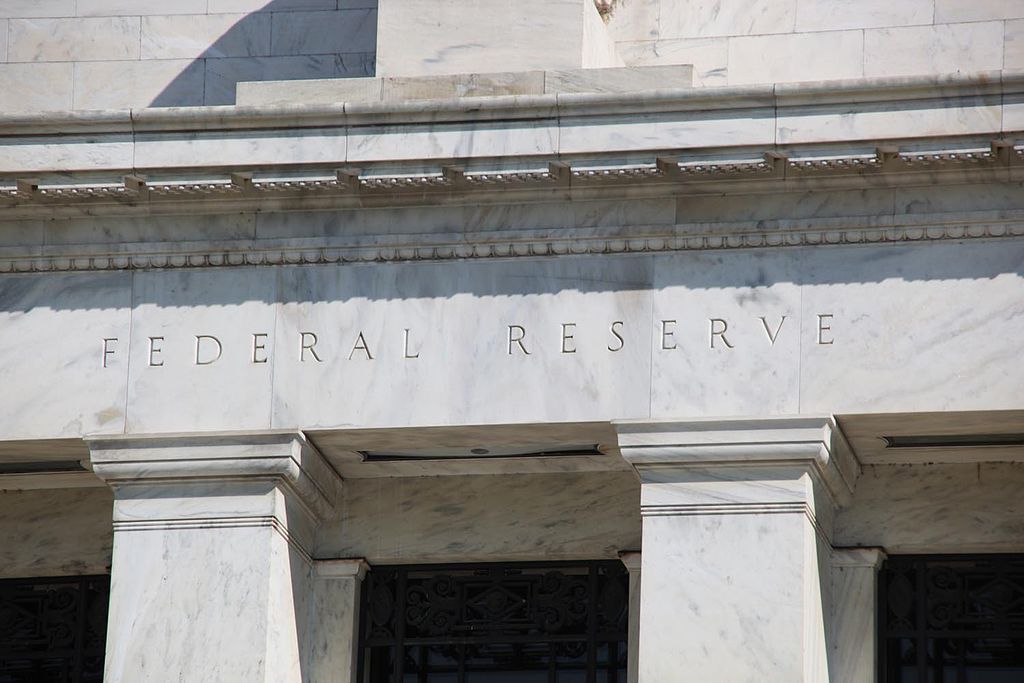
The Federal Reserve on Thursday proposed a broad regulatory framework for stablecoin issuers, taking another major step toward bringing digital assets under formal U.S. banking oversight and implementing the GENIUS Act passed last year.
Under the Fed’s primary proposal, stablecoin issuers supervised by the central bank would be required to fully back payment stablecoins with eligible high-quality liquid assets, with short-term U.S. Treasury bills serving as a key reserve option. The rules would also establish standardized capital requirements to protect against operational and credit risks.
Stablecoin issuers would be prohibited from paying yield or interest simply for holding their digital tokens, reinforcing the distinction between payment stablecoins and traditional interest-bearing financial products.
A separate Federal Reserve proposal would establish an application process for insured state member banks seeking permission to operate subsidiaries that issue payment stablecoins. Banks would need to provide detailed business plans, financial information, management biographies, risk-management policies and documentation outlining their proposed capital structures.
The Fed’s stablecoin proposals come alongside coordinated regulatory efforts by the Office of the Comptroller of the Currency and the Federal Deposit Insurance Corporation. U.S. regulators are working to establish operating and compliance standards before the GENIUS Act’s statutory enforcement deadline, which takes effect no later than January 2027.
Federal Reserve Governor Michael S. Barr highlighted several issues that could require additional attention before the regulations are finalized. Barr stressed the importance of ensuring stablecoins remain redeemable at par during periods of financial stress. He also raised concerns about potential restrictions on regulators’ ability to address anti-money laundering deficiencies at banks.
Both Federal Reserve proposals will enter a 60-day public comment period after publication in the Federal Register.
The final stablecoin regulations could have significant implications for banks, crypto companies and institutional investors entering the U.S. digital asset market. Industry participants will be watching the consultation closely, as the eventual rules will determine reserve, capital, compliance and operational requirements for federally supervised stablecoin issuers.







