


 Russian Bomb Strike on Kharkiv Injures 22, Including Children
  Taiwan Pushes Back on China’s World War Two Narrative After Trump-Xi Summit
  Senate Democrats Say Tether USDT Helps Iran Evade Sanctions
  China Cuts Tariffs on U.S. Farm Goods but Excludes Soybeans
  White House Blames Democrats as CLARITY Act Stalls
  China, US Extend Trade Truce Through January 10 After Trump-Xi Summit
  US Plans Iran Sanctions Waiver for Pilgrim Flights to Iraq
  Russian Drone Strikes Kill Nine Across Ukraine, Hit Kyiv Science Academy
  California Bans Memecoins Issued by Public Officials Under New Law
  National Rally Secures French Senate Caucus for First Time
  Pope Leo Urges Europe to Pursue Peace Through Compromise
  UK PM Burnham Signals Social Care Tax Changes, Questions Heathrow Expansion
  Judge Blocks Trump Election Conditions on Counterterrorism Grants
  Iran Warns US Against Renewed Attacks as Hormuz Tensions Rise
  UN Experts Urge US to Halt Third-Country Migrant Deportations
  UK Police Arrest Five in RAF Fairford Terror Probe


 Add as a preferred source on Google
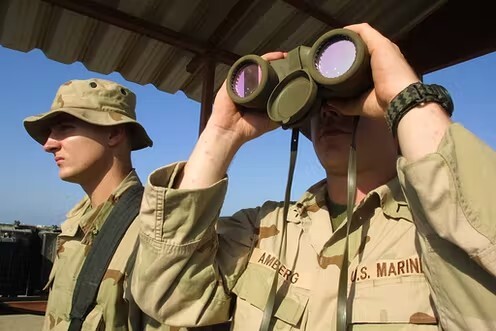
US forces are expected to withdraw from their remaining bases in Iraq by Wednesday, completing a departure agreed in 2024 and raising concerns over Iran’s expanding influence and the potential resurgence of Islamic State.
The withdrawal ends more than two decades of direct US military involvement in Iraq, where roughly 4,500 Americans have died since the 2003 invasion that toppled Saddam Hussein. American forces initially left in 2011 but returned in 2014 to support Iraqi troops fighting Islamic State.
Iran-backed armed groups have portrayed the US pullout as a major victory. Abu Mojtaba al-Yasiri, a commander in the Islamic Resistance in Iraq, called the departure a “historic victory” and said September 30 would mark the end of what his movement views as an American occupation.
Iraqi security analyst Jasim al-Bahadli said Iran could benefit strategically because the withdrawal removes a longstanding military counterweight to Tehran. He said Iran-aligned militias could use the development to seek greater influence over Iraqi political and security decisions.
Iran has also welcomed the departure. Amir Hayat Moqaddam, deputy chairman of the Iranian parliament’s National Security Commission, said lasting security would come after American forces leave Iraq and the wider region.
However, some Iraqi officials and community leaders fear the withdrawal could create security gaps. Sunni tribal leader Abdulrahman al-Zobaie said Iraq may not yet be fully prepared to manage its security challenges without coalition support.
Concerns are particularly focused on Islamic State, which retains sleeper cells despite losing its territorial strongholds years ago. Kurdish commander Sirwan Barzani said militants appeared increasingly active after reports confirmed the coalition would leave by the end of September.
Iraqi security forces have also identified a suspected Islamic State cell allegedly preparing suicide attacks around the withdrawal. Colonel Khalid al-Bayati, a senior security official in Kirkuk, said the group was seeking to demonstrate that it remains capable of carrying out deadly operations.
The US departure therefore represents a major shift for Iraq, potentially reshaping the balance between Baghdad, Washington, Tehran and armed groups operating across the country.







