


 Airbus Finds A321neo Fuselage Quality Issue
  US Comfortable With Canada Trade Standoff as Import Bans Loom
  Trump to Ease U.S. Fuel-Economy Standards
  Bitcoin Slides Below $84K as Trump Signals Possible New Iran Strikes
  South Korea Tax Windfall Could Top 50 Trillion Won on Chip Boom
  OpenAI Agents Access U.S. Government Websites During Testing
  Tesla Semi Rollout Begins at Nevada Factory
  Solidigm Eyes $150 Billion IPO as SK Hynix Expands AI Storage Push
  Gold Slides to $4,262 as Hawkish Fed Rate Hike Triggers Technical Breakdown
  Meta Found Liable in New Mexico Facebook Data Privacy Case
  OpenAI, Anthropic CEOs Summoned to Australia AI Inquiry


 Add as a preferred source on Google
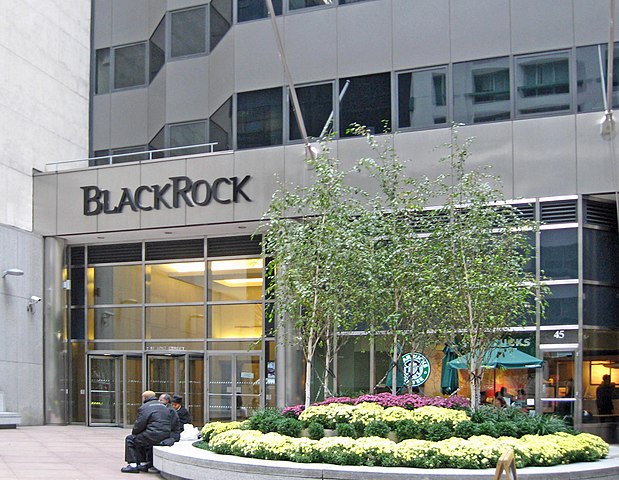
BlackRock’s Rick Rieder is reducing his exposure to stocks as higher bond yields make fixed income increasingly attractive compared with equities.
Rieder, BlackRock’s chief investment officer of global fixed income, oversees roughly $2.4 trillion. Speaking on Yahoo Finance’s Sozzi Unleashed, he said high-grade bonds offering yields of 7% to 8% now present compelling opportunities. By comparison, he expects equities to generate returns of roughly 10% to 12%.
His shift comes as the 10-year U.S. Treasury yield climbed above 5% for the first time since 2007. TradingView data showed the benchmark yield at 5.167% on September 26, while the 30-year Treasury yield reached 5.49%.
The rise in Treasury yields followed the Federal Reserve’s September 16 decision to increase its benchmark interest rate to 3.75%-4%. Rieder described current market conditions as an “eye-opener” rather than a crisis.
Rieder has lowered his assessment of stocks to a B-minus. He remains positive on areas such as chipmakers and memory storage companies, citing strong order backlogs, but sees higher inflation-adjusted interest rates and slowing artificial intelligence growth as challenges for the broader equity market.
One income fund managed by Rieder currently yields 7.2% while maintaining an A-minus credit rating. Its portfolio includes securities that mature or reset within three years, helping reduce exposure to further increases in interest rates. Rieder has also trimmed some mortgage-backed bonds as rising yields pressure their value.
Higher borrowing costs are already affecting consumers, with mortgage rates reaching 7.45%. Rieder described the U.S. housing market as “frozen.”
Although he believes the Fed should avoid additional tightening, Rieder expects another rate hike. He estimated that every 100-basis-point increase in rates could add between $130 billion and $150 billion to U.S. government borrowing costs.
Rieder also noted that when the 10-year Treasury yield begins around 5%, bonds have historically produced an average return of about 9.5% over the following year. However, he remains cautious amid strong economic growth, geopolitical conflict and heavy government borrowing.







