


 Asian Currencies Mixed as Yen Weakens, RBA Hike Looms
  Japanese Yen Retreats as Dollar Rises Ahead of Fed, BOJ Rate Decisions
  BOJ Signals Faster Rate Hikes as Inflation Risks Grow
  RBA Says ASX Still Falls Short on Governance and Risk Controls
  Gold Holds Near Seven-Week Low as Fed Rate Hike Bets Rise
  Oil Prices Slide as Middle East Flows Recover
  US Alcohol Ban Exposes Canada’s Internal Trade Barriers
  Asian Stocks Rise as Bond Yields Ease Ahead of U.S. Inflation Data
  South Korea Exports Set for 16th Monthly Gain on AI Chip Demand
  BOJ Flags Import Costs and Yen Shocks as Persistent Inflation Risks
  Trump Demands Powell Resign Over Fed Renovation Cost Overruns
  BlackRock’s Rick Rieder Favors Bonds Over Stocks as Treasury Yields Surge
  RBI Uses $10 Billion Currency Swaps to Drain Excess Rupee Liquidity
  Gold Rebounds as Oil Falls and Treasury Rout Eases
  Yen in Focus as BOJ, Fed Rate Hikes Reshape Currency Markets


 Add as a preferred source on Google
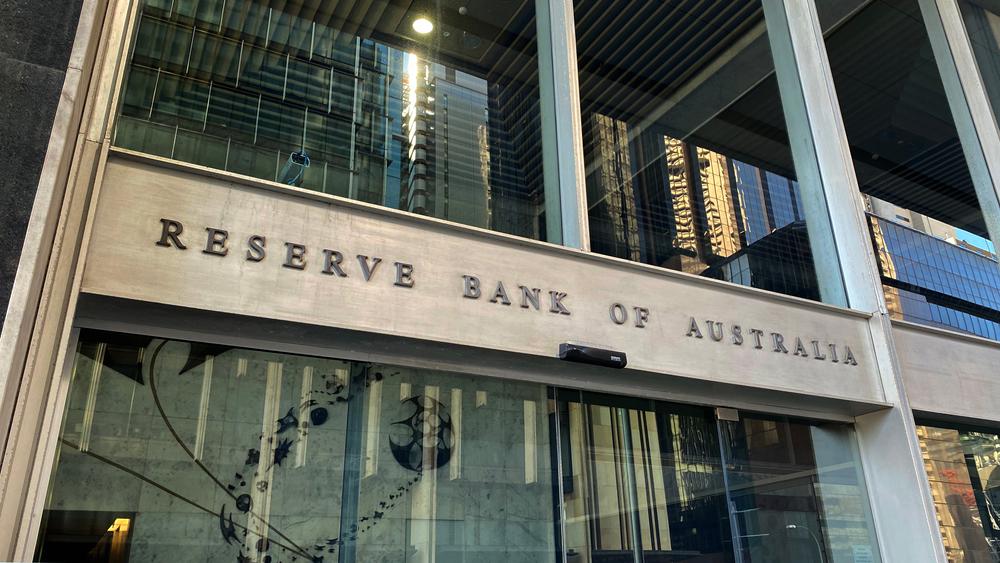
The Reserve Bank of Australia (RBA) made its first interest rate cut in nearly five years, citing concerns over a potential global trade war and slowing domestic growth. Deputy Governor Andrew Hauser emphasized that while the 25-basis-point reduction to 4.10% in February aimed to curb inflation risks, the central bank remains cautious about further cuts.
Speaking at the Australian Financial Review Business Summit, Hauser highlighted growing investor and consumer concerns over U.S. trade tariffs, particularly after recent escalations by President Donald Trump. He warned that an intensified trade conflict could impact Australia's trade-dependent economy and influence inflation.
“A global trade war would likely harm Australian economic activity, but its effect on inflation is complex,” Hauser stated. The RBA remains focused on preventing inflation from falling below its 2-3% target range, yet it does not currently anticipate a series of rate cuts despite market expectations.
Australia’s strong labor market adds another layer of complexity, making the RBA cautious about excessive monetary easing. The central bank has reiterated its data-driven approach, signaling no immediate plans for further reductions unless economic indicators justify additional support.
The minutes from the RBA’s recent policy meeting reinforced this stance, emphasizing that February’s rate cut does not guarantee a trend of continued easing. Hauser reaffirmed the RBA’s commitment to balancing inflation control with economic stability, ensuring that any future moves align with broader financial conditions.
As uncertainty surrounding global trade persists, the RBA will closely monitor economic developments before making further monetary policy decisions.







