


 RBA Set for September Rate Hike as Inflation Stays High
  Fed Unveils Stablecoin Rules Under GENIUS Act
  US Stocks Slip as Treasury Yields Ease, AI Trade Rebounds
  Oil Prices Slide as Middle East Flows Recover
  U.S. Stock Futures Steady as AI, Rate Concerns Weigh
  Gold Rebounds as Oil Falls and Treasury Rout Eases
  BOJ Flags Import Costs and Yen Shocks as Persistent Inflation Risks
  Global Central Banks Brace for More Rate Hikes as Inflation Risks Rise
  Gold Holds Near Seven-Week Low as Fed Rate Hike Bets Rise
  Fed Rate Hike Threatens Housing as U.S. Growth Leans on AI, Citi Says
  Japan Factory Output Unexpectedly Falls 1.7% in August
  Asian Stocks Fall as Oil Surge, Bond Yields and AI Concerns Hit Markets
  Japan Warns Markets Over Yen Weakness


 Add as a preferred source on Google
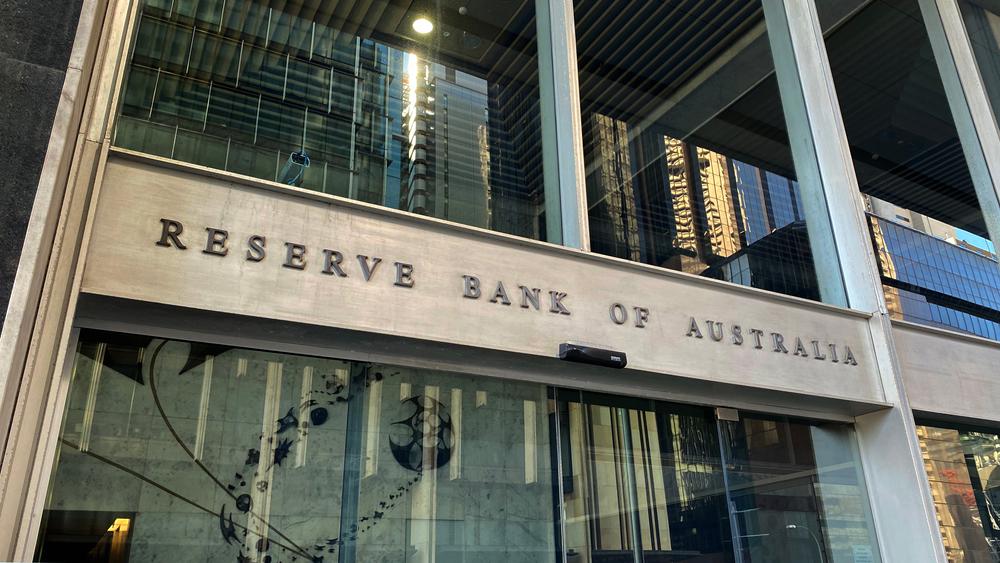
The Reserve Bank of Australia (RBA) is set to maintain its key interest rate at 3.60% during its upcoming policy meeting on November 4, according to a Reuters poll of 34 economists. The decision follows a stronger-than-expected rise in consumer prices that has dampened hopes for near-term rate cuts.
Australia’s annual inflation climbed to 3.2% in the September quarter, surpassing the RBA’s 2%–3% target range. Core inflation, the bank’s preferred measure, rose 1.0% — well above its 0.6% forecast. RBA Governor Michele Bullock described even a 0.9% increase as a “material miss,” signaling that the board must reconsider its easing timeline.
The latest data has significantly shifted market sentiment. Economists now predict that the next — and likely final — rate cut will occur in 2026, rather than earlier expectations of late 2025. Financial markets have scaled back projections, pricing in only one cut by mid-2026.
Despite Australia’s unemployment rate rising to 4.5% in September, economists say inflation remains the key concern. NAB senior economist Taylor Nugent noted that “the inflation backdrop” leaves little room for immediate policy easing.
A majority of surveyed economists — including analysts from major banks ANZ, CBA, NAB, and Westpac — expect the RBA to keep rates steady through December. Earlier in October, most predicted cuts by year-end, but inflation pressures have since changed the outlook. Median forecasts now suggest one cut by mid-2026, lowering the rate to 3.35%.
Some experts caution that if the labor market weakens further, the RBA may be forced to adjust sooner. Tony Sycamore of IG Australia emphasized that maintaining employment stability could outweigh inflation concerns if conditions worsen.







