


 South Korea, US Discuss Chip Investments Amid Tariff Plans
  Lenovo Shares Fall After Dropbox Security Breach Exposes ID Vulnerability
  US Tech Giants’ AI Bond Boom Raises Euro Zone Borrowing Risks
  Berkshire Hathaway Eyes Bigger Stakes in Japan’s Top Trading Houses
  Microsoft to Reveal Azure Revenue in Major Reporting Shake-Up
  Fast Retailing Shares Drop as Uniqlo Japan August Sales Fall
  Audi, SAIC Launch China Innovation Hub for New AUDI Models
  France Targets Shein, Temu With Fast-Fashion Fees
  Nvidia Eyes $2.5 Billion Investment in Thinking Machines Lab
  MediaTek Shares Jump 10% on Nvidia’s $3.5 Billion Investment
  Anthropic Nears $15 Billion Credit Deal Ahead of IPO
  OpenAI Launches GPT-6 Astra With Advanced AI Agent Capabilities
  CATL Shares Fall as Hungary Plant Faces Safety Halt
  Thomson Reuters C-Track Cyberattack Hits Courts Across U.S. and Canada
  Honda Targets $9.4 Billion in Cost Cuts as China EV Competition Intensifies
  GSM Eyes US, Europe Expansion Ahead of 2028 Hong Kong IPO


 Add as a preferred source on Google
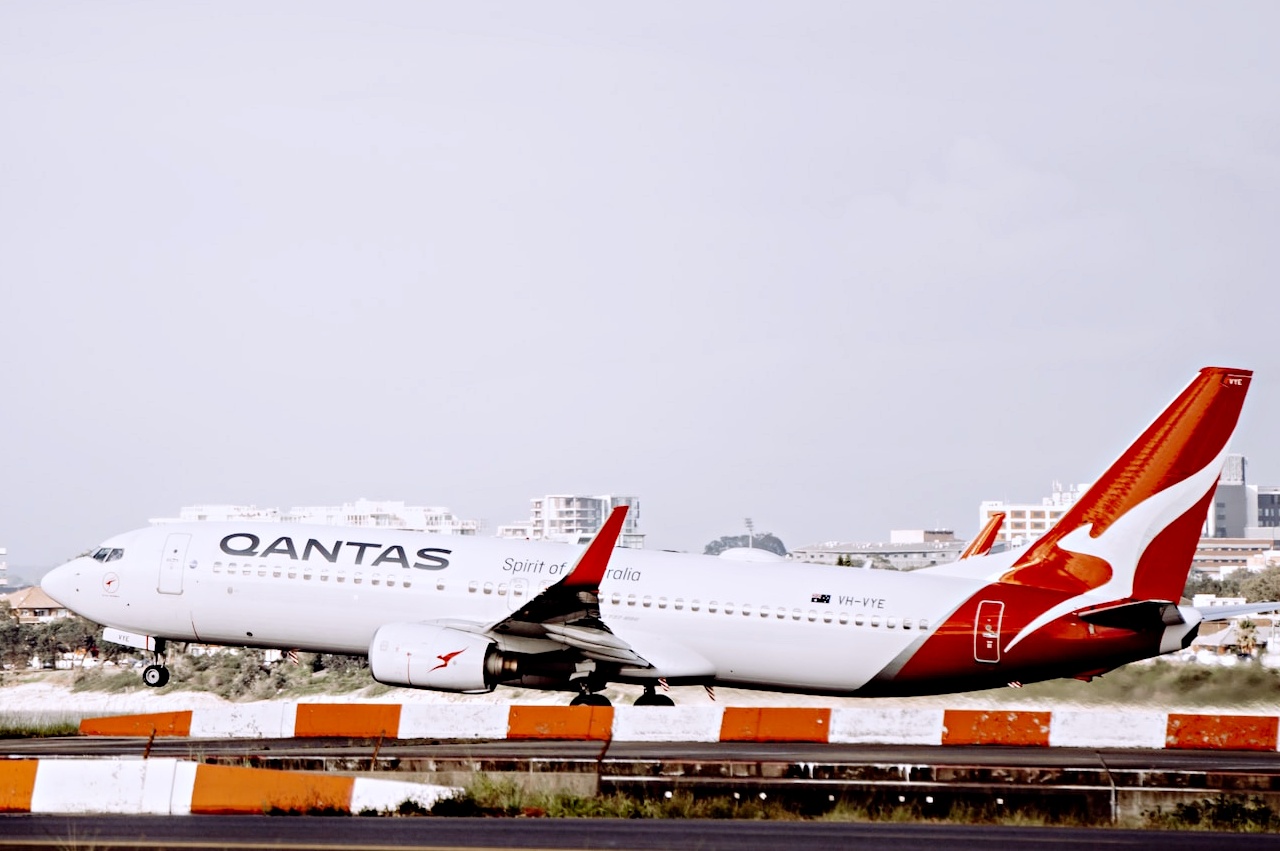
Several air traffic controllers working during a July near-collision involving two Qantas aircraft at Sydney Airport had been classified as facing a high fatigue risk, according to internal records reviewed by Reuters.
The July 27 incident involved a Qantas turboprop landing as a Qantas Boeing 737 crossed the runway after receiving clearance. The aircraft narrowly avoided a collision, marking the first of six near-misses reported at Sydney Airport within roughly a month.
Internal records showed that five of the 10 controllers on duty were rated “H,” indicating high fatigue risk under Australia’s fatigue-management system. Another controller received a medium-risk rating, while one was classified as low risk. Three had no identified fatigue risk.
An internal call reviewed by Reuters revealed that a shift manager described having five controllers with high fatigue ratings as “a bit insane.” The manager also said two of the three controllers directly involved in the Qantas incident were classified as high risk, while the third carried a medium rating.
Airservices Australia, which employs the country’s air traffic controllers, declined to comment because investigations remain underway. The Australian Transport Safety Bureau is examining all six Sydney Airport near-misses for possible shared safety concerns or contributing factors.
Australia’s fatigue system does not determine whether an individual controller is actually tired. Instead, it evaluates factors including schedules and workloads to estimate fatigue risk. Possible safeguards include longer breaks, reduced traffic responsibilities or ending shifts early.
Civil Air President Scott Nugent said staffing shortages have contributed to more overtime, fewer rest days and increased pressure on controllers. Airservices also reported unusually high short-term staff absences in Sydney during the six weeks through August 28.
Under Airservices Australia’s enterprise agreement, controllers may work as many as 10 consecutive shifts and up to 80 hours during a continuous run. Controllers and Civil Air told Reuters that working 10 straight days before receiving one day off is not uncommon.
Air traffic control staffing shortages are also affecting other countries. In the United States, controller overtime spending climbed more than 300% between 2013 and 2024, reaching $200 million last year, according to the U.S. National Academies of Sciences.







