


 U.S. Stock Futures Slide as Tech Rout Deepens on Amazon Capex Shock
  India–U.S. Interim Trade Pact Cuts Auto Tariffs but Leaves Tesla Out
  U.S.-India Trade Framework Signals Major Shift in Tariffs, Energy, and Supply Chains
  Trump Lifts 25% Tariff on Indian Goods in Strategic U.S.–India Trade and Energy Deal
  Dollar Near Two-Week High as Stock Rout, AI Concerns and Global Events Drive Market Volatility
  Gold and Silver Prices Slide as Dollar Strength and Easing Tensions Weigh on Metals
  South Korea’s Weak Won Struggles as Retail Investors Pour Money Into U.S. Stocks
  Singapore Budget 2026 Set for Fiscal Prudence as Growth Remains Resilient
  RBI Holds Repo Rate at 5.25% as India’s Growth Outlook Strengthens After U.S. Trade Deal
  China Extends Gold Buying Streak as Reserves Surge Despite Volatile Prices
  Fed Governor Lisa Cook Warns Inflation Risks Remain as Rates Stay Steady
  Bank of Japan Signals Readiness for Near-Term Rate Hike as Inflation Nears Target
  Dow Hits 50,000 as U.S. Stocks Stage Strong Rebound Amid AI Volatility
  Russian Stocks End Mixed as MOEX Index Closes Flat Amid Commodity Strength
  Trump Endorses Japan’s Sanae Takaichi Ahead of Crucial Election Amid Market and China Tensions
  Gold Prices Slide Below $5,000 as Strong Dollar and Central Bank Outlook Weigh on Metals
  Asian Stocks Slip as Tech Rout Deepens, Japan Steadies Ahead of Election


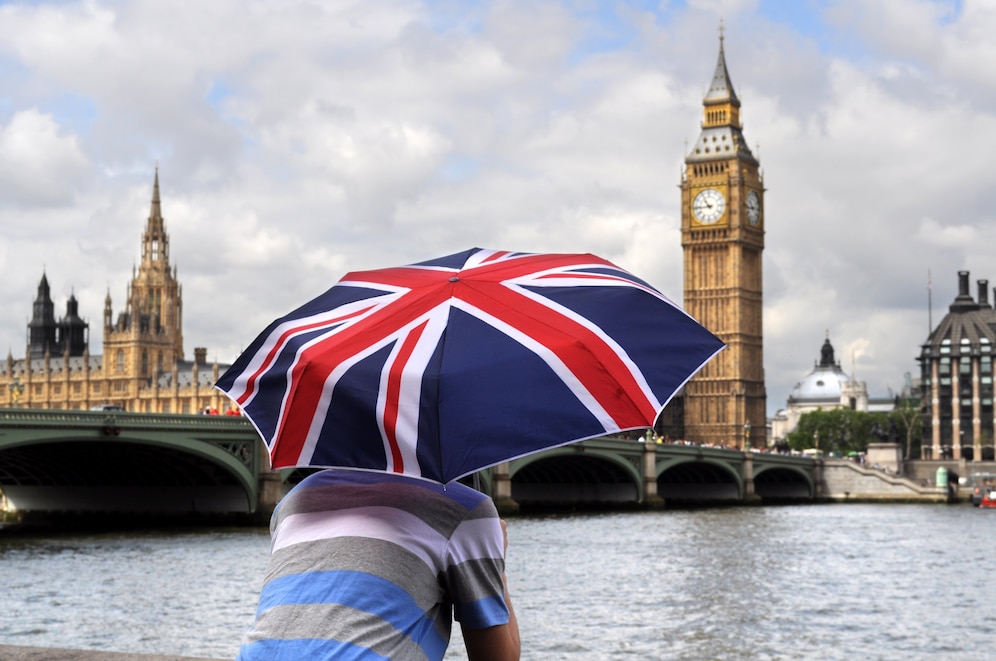
Public-Sector Pay Rises Outpace Private Sector
In a shift from previous trends, British public-sector employers are now planning to increase pay faster than private-sector employers. According to the Chartered Institute of Personnel and Development (CIPD), a survey of 2,000 employers between September 18 and October 9 revealed that median expected public-sector pay rises for the next year had jumped to 4%, up from 2.5% in the previous quarter. This outpaces the private sector, where expected pay rises remain at 3%.
Factors Driving the Pay Increase
The rise in public-sector pay expectations follows the approval of substantial pay raises by the newly elected Labour government, partially funded by higher employer taxes. Finance Minister Rachel Reeves announced pay increases ranging from 4.75% to 6% for millions of public-sector workers shortly after taking office. Public-sector pay had lagged behind both private-sector increases and inflation during the pandemic, making the recent boost especially significant.
Additionally, increased government spending and public-sector wage increases announced in the budget have provided a boost for both employers and workers.
Private-Sector Challenges
Private-sector employers, meanwhile, face rising costs, including a 25 billion-pound increase in social security contributions, which may limit their ability to offer competitive pay raises. These increased costs could also reduce hiring and investment in worker training, according to James Cockett, CIPD’s senior labor market economist.
Impact on the Economy
Despite these challenges, the Bank of England is closely monitoring wage growth to gauge inflation pressures. It recently reduced the benchmark Bank Rate to 4.75%, with gradual further cuts expected.
For further reading, you can check out the following sources:
- UK Public-Sector Pay Set to Rise Faster Than Private Sector for First Time Since 2020
- Public Sector Pay Boost Following Labour's Election Victory
- Economic Impact of Rising Business Costs on UK Employers













