


 Qatar LNG Tanker Crosses Strait of Hormuz Amid Iran War Tensions
  Trump Administration Releases New UFO Files and Apollo Mission Records
  TikTok Nears $400 Million Settlement With Trump Administration Over Child Privacy Lawsuit
  Iran Military Readiness Intensifies After Meeting With Mojtaba Khamenei
  Pope Leo Calls for Peace as Vatican Seeks Better Ties With U.S.
  US Revises UN Resolution on Iran Strait of Hormuz Attacks Amid Russia-China Opposition
  Trump Reportedly Approves Plan to Remove FDA Commissioner Marty Makary Amid Growing Controversies
  Trump Invites Top CEOs Including Nvidia, Apple, Boeing to China Summit With Xi Jinping
  Mexico President Claudia Sheinbaum Reconsiders Early School Closure Plan Ahead of 2026 World Cup
  Malaysia Unveils Energy Security Plan Amid Iran Conflict and Rising Oil Costs
  Trump-Xi Beijing Summit to Focus on Trade, Taiwan, and Boeing Deal
  Israel’s Secret Iraq Base Allegedly Supported Iran Air Campaign, WSJ Reports
  Vietnam Plans AI-Driven Propaganda Push With Influencers and Podcasts
  Russian LNG Shadow Fleet Expands Amid Arctic LNG 2 Sanctions
  Lula and Trump Talks Signal New Phase in Brazil-US Relations
  Trump Inspects Lincoln Memorial Reflecting Pool Renovation in Washington
  Germany Rejects Putin’s Proposal for Schroeder to Mediate Ukraine Peace Talks


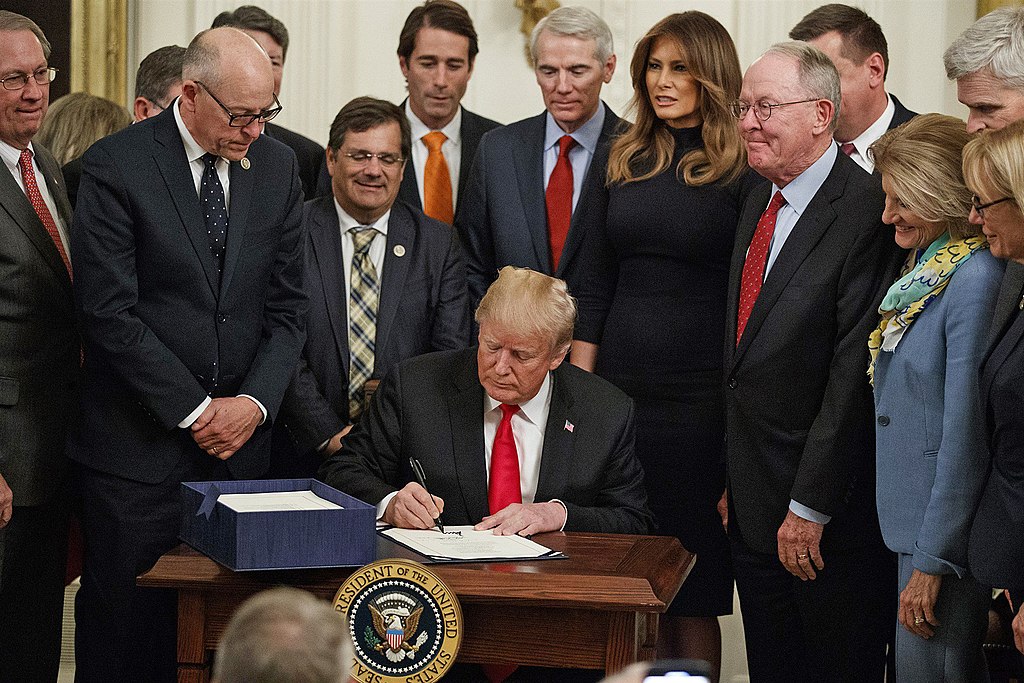
A third of Americans reportedly agree with former President Donald Trump’s inflammatory remarks that undocumented immigrants "poison the blood" of the United States. A recent poll conducted by the Brookings Institution and Public Religion Research Institute (PRRI) highlights the deep divide in public sentiment over immigration in the U.S., with Trump's controversial rhetoric still resonating strongly with millions.
Poll Reveals Shocking Support for Trump’s Claims
The poll, which surveyed thousands of Americans, found that 33% of respondents agreed with Trump’s statement that undocumented immigrants "poison the blood" of the country. These remarks, made during his latest campaign rallies, have reignited national debates about immigration, race, and America’s demographic future.
Trump, who has made tough immigration policies a centerpiece of his political career, has long claimed that undocumented immigrants bring crime and instability, further fueling his calls for border security. However, this recent phrasing, referring to immigrants as "poison," has taken his rhetoric to a new level of harshness—one that many critics have denounced as dangerously xenophobic.
Divisive Language and Its Appeal
Despite the backlash, the Brookings Institution’s findings suggest that Trump's remarks are far from a fringe opinion. The study shows a growing number of Americans believe that immigration poses a significant threat to the nation's identity and social fabric. For many who side with Trump, his stark language reflects their fears about changing demographics, economic instability, and cultural shifts.
The poll also indicated that Trump’s support remains solid among certain voter blocs, particularly among conservative and older white Americans. His critics, however, argue that this kind of language only serves to deepen divisions, promoting fear and misunderstanding rather than constructive dialogue on immigration reform.
Critics Warn of Dangerous Rhetoric
Immigration advocates and human rights groups have condemned Trump’s statements, with many warning that such rhetoric could incite violence and hatred. “This language is reckless and unacceptable,” said a spokesperson for the American Civil Liberties Union (ACLU). “To describe immigrants in such dehumanizing terms only serves to fuel xenophobia and bigotry in this country.”
The Brookings and PRRI study also revealed that the percentage of Americans agreeing with Trump’s harsh language has increased since his first presidential run in 2016. This rise suggests that Trump's influence on shaping the national discourse on immigration remains powerful, even as he continues his campaign for the 2024 election.
Immigration Remains a Hot-Button Issue
As the 2024 election approaches, the issue of immigration is once again taking center stage. Trump’s hardline stance has pushed other candidates to address the subject, often with equally divisive rhetoric. Critics warn that as public debate grows more heated, the potential for real immigration reform may be overshadowed by fearmongering and extremism.
Trump’s controversial remarks, and the strong support they have garnered, are clear indicators that immigration will continue to be one of the most polarizing issues in American politics.







