


 Oil Prices Climb as Iran Reviews U.S. Peace Proposal Amid Middle East Tensions
  Bank of Japan Eyes April Rate Hike Despite Inflation Dip, ING Says
  Asian Stocks Gain Amid Iran Conflict Uncertainty
  Asian Currencies Weaken as Dollar Rebounds Amid Middle East Uncertainty and Japan Inflation Data
  U.S. Stock Futures Steady as Iran Reviews U.S. Ceasefire Proposal
  Asian Currencies Stay Muted as Dollar Holds Firm Amid Iran Uncertainty
  UK Consumer Confidence Weakens Amid Middle East Conflict and Rising Living Costs
  Suspicious Oil Market Trades Precede Trump's Iran Peace Post by 15 Minutes
  Federal Reserve Balance Sheet Reduction: Brookings Research Outlines Possible Path Forward
  U.S. Oil Prices Slide as Middle East Ceasefire Talks Spark Market Optimism
  Bank of Japan Officials Signal Continued Interest Rate Hikes Amid Inflation Concerns
  Currency Markets Show Caution Amid U.S.-Iran Negotiations
  Gold Prices Climb as Middle East Ceasefire Talks Stir Market Optimism
  U.S. Dollar Weakens as Trump Signals Iran Deal Possibility
  WTO Reform Talks Begin in Cameroon Amid Global Trade Tensions
  Gold Prices Surge on U.S.-Iran Ceasefire Reports


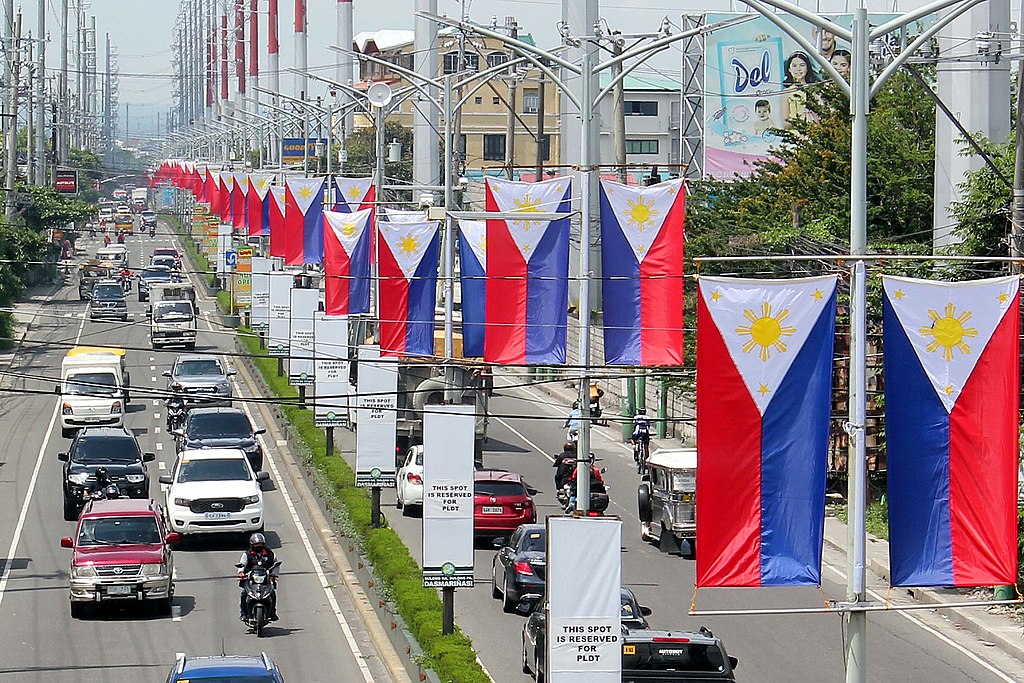
The Philippine economy expanded by 4.0% in the third quarter of 2025 compared to the same period last year, according to official data released on Friday. This marks a significant slowdown from the 5.5% growth recorded in the previous quarter and fell short of the 5.2% growth forecasted by economists in a Reuters poll. The latest figure represents the country’s weakest annual growth since the first quarter of 2021, when the economy contracted due to the pandemic’s lingering effects.
On a seasonally adjusted basis, the economy grew by 0.4% from the previous quarter, also missing the median estimate of 0.8% in the same Reuters survey. The disappointing figures highlight the challenges the Philippines continues to face amid global economic uncertainty, high inflation, and tighter monetary policy conditions. Analysts noted that household consumption, a major growth driver for the country, has been weighed down by rising prices and slower wage growth, limiting domestic demand.
Despite the softer expansion, government officials remain optimistic about recovery prospects in the coming months. They cited ongoing public infrastructure projects, foreign investment inflows, and improving export performance as potential catalysts for growth. However, economists warn that maintaining momentum will require targeted fiscal measures and continued efforts to manage inflationary pressures while sustaining investor confidence.
The weaker-than-expected growth performance may prompt policymakers to reassess current economic strategies, particularly in balancing growth and inflation control. As the Philippines moves toward the year-end, economic planners face the challenge of stimulating demand without jeopardizing price stability, especially amid global volatility and a stronger U.S. dollar.
With the economy showing signs of resilience but struggling to regain full momentum, the coming quarters will be critical in determining whether the Philippines can meet its 2025 growth targets and strengthen its recovery path.













