


 BofA Names ASML Top Semiconductor Equipment Pick on Growth, Valuation
  Toyota Global Sales Fall as China Demand Slumps
  Google Changes EU Spam Policy Amid Antitrust Scrutiny
  SoftBank Eyes $20 Billion Bond Sale to Refinance OpenAI Loan
  Faraday Future Delivers First Robots in Middle East, Plans September Launches
  Star Entertainment Shares Fall After A$307 Million FY2026 Loss
  Itochu Offers $1.56 Billion to Privatize Dentsu Soken
  SoftBank Plans Record $6.3 Billion Bond Sale to Fund OpenAI Investments
  Mercer International Stock Surges 45% on C$20 Million Canada Funding
  Meta, U.S. States Discuss Settlement in Teen Addiction Trial
  SK Hynix Shares Fall as Workers Reject Wage Deal
  Trump Administration Plans New Drug Pricing Deals With Biotech Firms
  Trian Drops Wendy’s Take-Private Bid Plans, Shares Plunge 14%
  Nvidia Eyes Perplexity Investment at $30 Billion Valuation
  Luxshare Shares Rise as First-Half Profit Jumps 18%
  Trump Buys SpaceX Shares After Record IPO
  Unitree Shares Plunge 45% After Blockbuster IPO, Raising China Tech Bubble Fears


 Add as a preferred source on Google
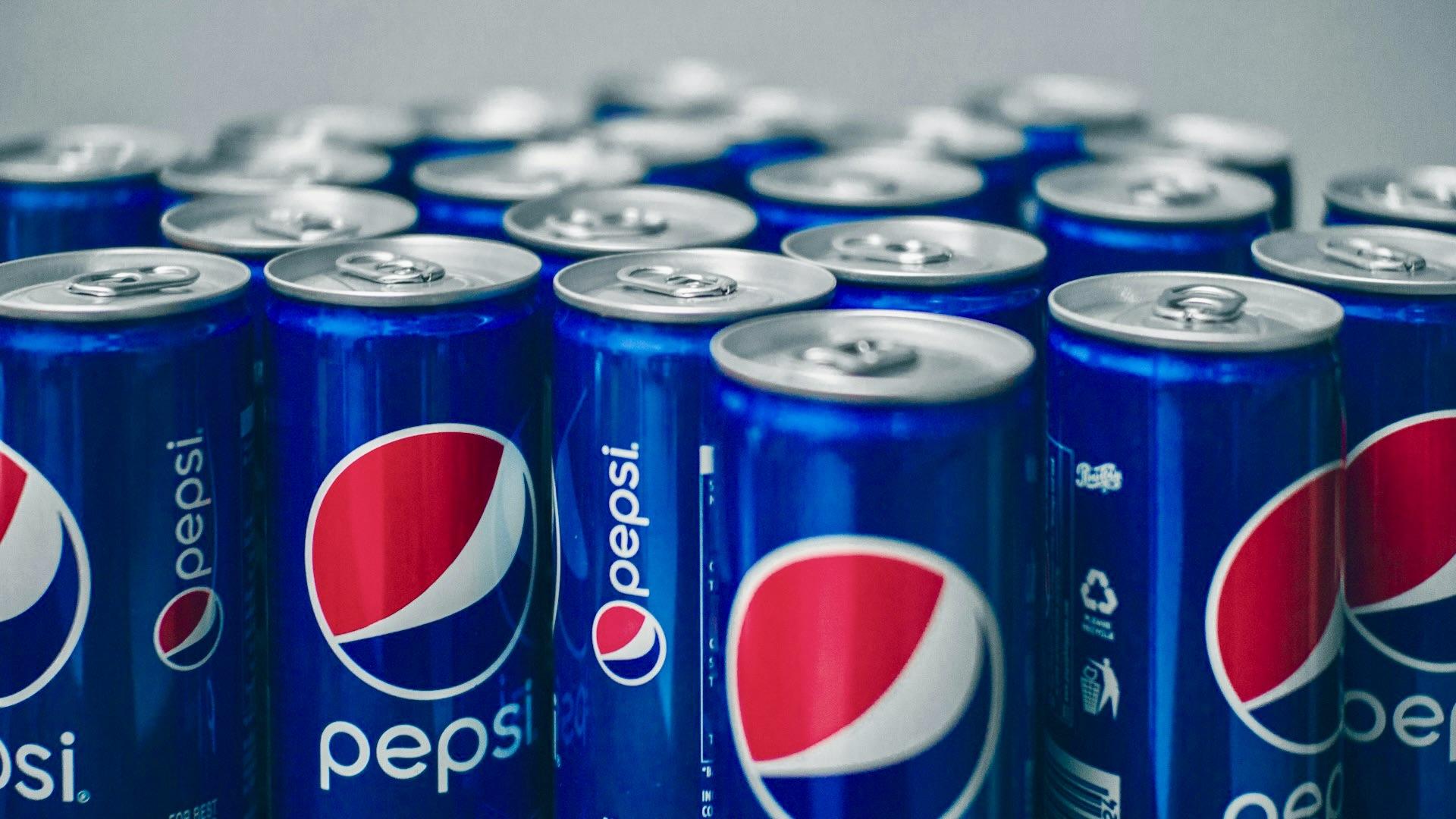
In a bid to sharpen sales forecasts, PepsiCo is boosting data-sharing efforts with retailers, using shopper purchase data to adapt supply to market demand. The initiative comes as PepsiCo’s snack volumes decline, pressing the company to refine its sales strategies and product offerings.
PepsiCo Enhances Data Collaboration to Understand Consumer Behavior
In an interview this week, an executive from PepsiCo revealed that the company is providing more and more data with big retailers in exchange for valuable information on consumers' purchases. This comes as PepsiCo is retooling several of its popular brands, such as Lay's potato chips, in response to consumers' search for cheaper alternatives.
Snack sales are down, so PepsiCo is rethinking its offerings. The Lay's chip and Pepsi soda manufacturer has increased promotion for its Doritos and Tostitos brands and reduced box sizes due to sluggish sales growth in previous quarters.
The company's yearly sales growth target was lowered in early October by the Purchase, New York headquarters.
Utilizing Store Data for Better Demand Forecasting
In an interview with Reuters on Tuesday, a senior official at PepsiCo discussed the company's efforts to improve demand forecasting and supply chain efficiency by utilizing store data on PepsiCo product sales.
According to Angelika Kipor, PepsiCo's senior vice president of strategy and transformation, "We are increasingly sharing data" with retailers. "Different level of collaboration, but the retailers are increasingly doing it" to better understand their whole supply chains, she said, citing Kipor's comments. She went on to say that the world's largest retailers are receiving forecasting data from PepsiCo.
For example, prior to Carrefour's most recent order with PepsiCo, PepsiCo provided the supermarket giant with a data-driven historical analysis of the kinds of products that had performed well in previous orders. As a result, Carrefour ordered similar products, which increased PepsiCo's sales.
Leveraging Checkout Data for Strategic Advantage
Retailers crave and occasionally use check-out data on customers' final purchases as leverage in price negotiations because it is one of the most valuable and elusive forms of information. Suppliers can subscribe to first-party Walmart data on customer behavior and inventory levels from the largest retailer in the world, Walmart.
The degree of trust and the retailers' digital capacity are two factors that contribute to the maturity of the relationship, according to Kipor.
On Tuesday, Kipor stated that PepsiCo is able to process massive volumes of data rapidly because to artificial intelligence.
AI Brings Speed and Efficiency to Data Processing
Unilever and Danone aren't the only packaged goods businesses rushing to identify AI-based supply chain improvements. AI can help with anything from determining which brands to keep in the portfolio to reducing costs and estimating production and shipping quantities, US News explained.
Kipor, who did not want to be named, said that the data-sharing agreements were distinct from the contentious price negotiations that occur between consumer products makers and retailers.
Commitment to Stable Pricing Amid Inflation
In response to inflation that was unprecedented in the wake of the COVID outbreak, PepsiCo announced last year that it would not be increasing the pricing of its soft drinks and snacks.







