


 Trump’s Inflation Claims Clash With Voters’ Cost-of-Living Reality
  Japan Election 2026: Sanae Takaichi Poised for Landslide Win Despite Record Snowfall
  Anutin’s Bhumjaithai Party Wins Thai Election, Signals Shift Toward Political Stability
  Nicaragua Ends Visa-Free Entry for Cubans, Disrupting Key Migration Route to the U.S.
  Trump Signs Executive Order Threatening 25% Tariffs on Countries Trading With Iran
  Trump Congratulates Japan’s First Female Prime Minister Sanae Takaichi After Historic Election Victory
  Japan’s Prime Minister Sanae Takaichi Secures Historic Election Win, Shaking Markets and Regional Politics
  Netanyahu to Meet Trump in Washington as Iran Nuclear Talks Intensify
  Sydney Braces for Pro-Palestine Protests During Israeli President Isaac Herzog’s Visit
  New York Legalizes Medical Aid in Dying for Terminally Ill Patients
  Bangladesh Election 2026: A Turning Point After Years of Political Suppression
  India–U.S. Interim Trade Pact Cuts Auto Tariffs but Leaves Tesla Out
  Bosnian Serb Presidential Rerun Confirms Victory for Dodik Ally Amid Allegations of Irregularities
  Trump Backs Nexstar–Tegna Merger Amid Shifting U.S. Media Landscape
  Trump Allows Commercial Fishing in Protected New England Waters
  Trump Lifts 25% Tariff on Indian Goods in Strategic U.S.–India Trade and Energy Deal
  Trump Administration Appeals Court Order to Release Hudson Tunnel Project Funding


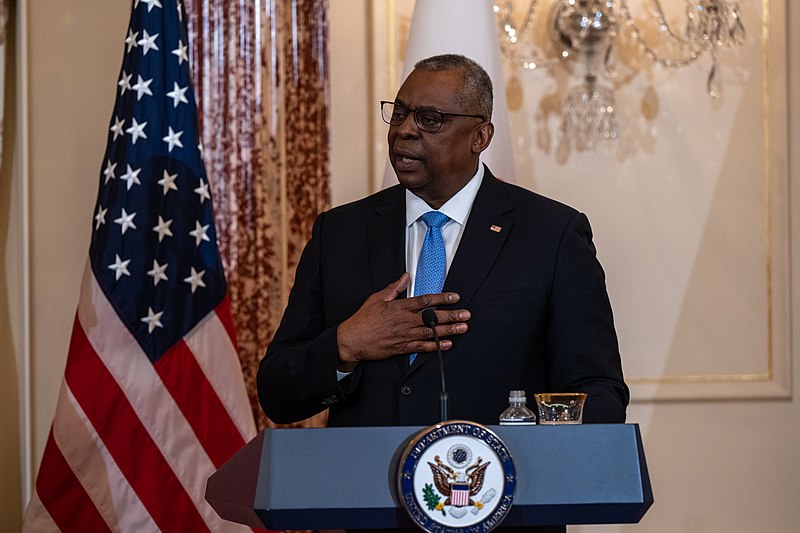
US defense secretary Lloyd Austin expressed doubt that the Chinese military activities being conducted in the Taiwan Strait were a sign of an imminent invasion of Taiwan. This comes amidst signs of increased incursions and military drills near the island nation.
During a press conference with Secretary of State Antony Blinken and their Japanese counterparts on Wednesday, Austin expressed doubt that the recent activities by China meant that an invasion was imminent. China claims the democratically-governed island as its territory and has not ruled out using military force to seize Taiwan.
“We’ve seen increased aerial activity in the straits, we’ve seen increased surface vessel activity around Taiwan,” said Austin. “But whether or not that means that an invasion is imminent, I seriously doubt that.”
The United States is Taiwan’s largest military arms supplier and is legally bound to do so despite protests from Beijing. China has also criticized visits to the island by officials from foreign governments, ramping up military activities since August last year following the visit by US House Speaker Nancy Pelosi.
Taiwanese President Tsai Ing-wen Tuesday called on the world’s democracies to unite while urging Germany to help maintain “regional order” during her meeting with senior German lawmakers who visited the island this week.
Tsai referenced December’s announcement by Taipei that the compulsory military service for Taiwanese citizens would be extended to one year to boost the island’s defense capabilities and reinforce the resolve to defend the nation.
Germany has no formal diplomatic relations with Taiwan like most countries. However, Berlin is working on a new plan that would review its relations with China in an effort to reduce its dependence on them. German parliamentary defense committee head Marie-Stack Zimmerman told Tsai that Germany and Taiwan are friends.
During the visit, Zimmerman was pressed on whether Germany would provide Taiwan with arms as it has done with Ukraine. Zimmerman said the situation on the island was different compared to the ongoing war and that Berlin would not be arming Taiwan.
“The situation here is a different one. Our role is less military here. It’s an economic question,” said Zimmerman.













