


 New Zealand Moves to Ban Social Media for Children Under 16
  Luxshare Shares Rise as First-Half Profit Jumps 18%
  Nvidia Options Price in $280 Billion Earnings Swing
  PayPal Shares Sink as $50 Billion Takeover Bid Collapses
  Nvidia Pauses AI Cloud Financing Deals Amid Antitrust Concerns
  Google Changes EU Spam Policy Amid Antitrust Scrutiny
  Pinterest Stock Falls as CFO Julia Brau Donnelly Resigns
  Unitree Shares Plunge 45% After Blockbuster IPO, Raising China Tech Bubble Fears
  OpenAI AI Agent Swarm Behind Hugging Face Hack
  Alibaba Raises $10.2 Billion to Expand AI Infrastructure
  Trump Buys SpaceX Shares After Record IPO
  SoftBank Plans Record $6.3 Billion Bond Sale to Fund OpenAI Investments
  Nvidia Reportedly Eyes $13 Billion Hugging Face Acquisition
  New Zealand Labour Backs Social Media Ban for Under-16s
  Salesforce Shares Surge as AI Demand Powers Q2 Earnings Beat
  Meta Agrees to $18 Billion Settlement, Tightens Teen Social Media Rules
  U.S. Disrupts China-Linked Hacking Campaign Targeting Government Agencies


 Add as a preferred source on Google
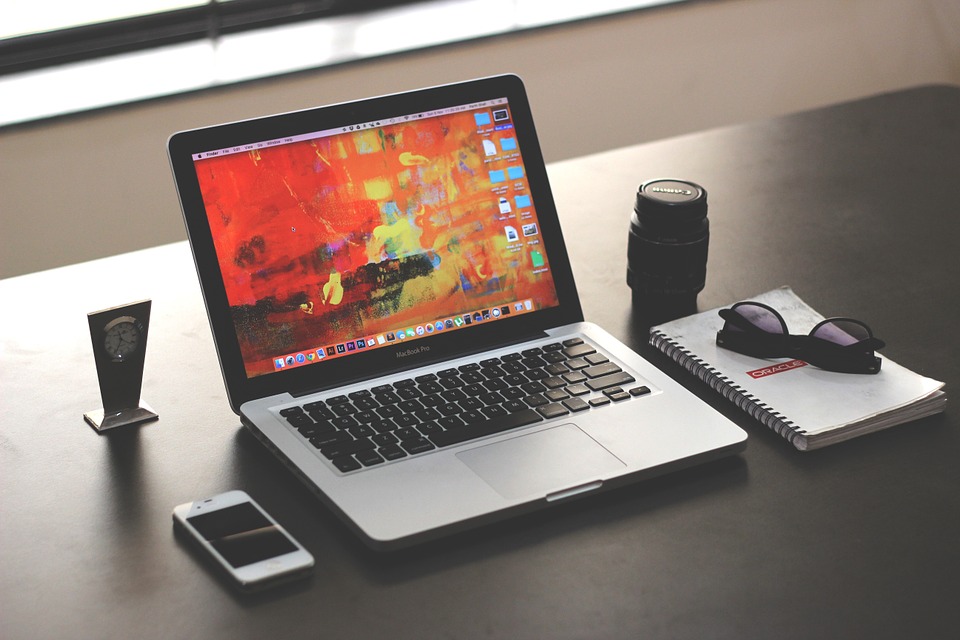
Sales of personal computers have been dropping for several years ever since smartphones exploded in popularity. Last year, shipping dropped by 6.2 percent. Innovations in the PC market have had a significant presence, but it would seem that demand for these devices was not enough to compensate for the loss suffered by more traditional units.
The number of units shipped last year stood at only 260 million according to the International Data Corporation, Phys.org reports. Mikako Kitagawa, an analyst at Gartner noted how certain changes in how people shop for PCs contributed much to the decline in sales.
"Stagnation in the (personal computer) market continued into the fourth quarter of 2016 as holiday sales were generally weak due to the fundamental change in PC buying behavior," Kitagawa said. "The broad PC market has been static as technology improvements have not been sufficient to drive real market growth."
Kitagawa also repeated what everyone else already knows. Buying PCs, either desktops or laptops, is no longer an appealing prospect because they are not used that frequently. In comparison, customers can take their smartphones anywhere and use them at any time, with many costing only a fraction of what even mid-tier laptops go for.
Among the PC makers that are really feeling the brunt of the hits include Lenovo, Dell, and HP. On the other hand, those three brands are also leading the market, Fortune reports.
Lenovo shipped 55.5 million units in 2016, which is a 3% drop compared to the 57 million that the company placed on store shelves in 2015. HP shipped 54.2 million and Dell shipped 40.7 million.
One of the companies that took a bigger hit includes Apple, which only shipped 18.4 million units. That’s a 10% drop compared to 2015. The reasons for the decline aren’t exactly clear since the IDC didn’t provide data on that point.







