


 BOJ Set for 25-Basis-Point Rate Hike as Yen Weakness Fuels Inflation
  XRP Price Targets $1.70 as Bullish Momentum Builds
  Fed’s Williams Signals One More Rate Hike Before Year-End
  Central Banks Could Buy 20,000 Tonnes of Gold: BofA
  China Industrial Profit Growth Slows as Weak Demand Offsets AI Gains
  Japanese Yen Retreats as Dollar Rises Ahead of Fed, BOJ Rate Decisions
  UK Housebuilder Stocks Surge on New First-Time Buyer Loan Scheme
  RBA Says ASX Still Falls Short on Governance and Risk Controls
  Europe’s AI Data Centre Boom Strengthens Case for Nuclear Power
  Global Central Banks Brace for More Rate Hikes as Inflation Risks Rise
  China, US Extend Trade Truce Through January 10 After Trump-Xi Summit


 Add as a preferred source on Google
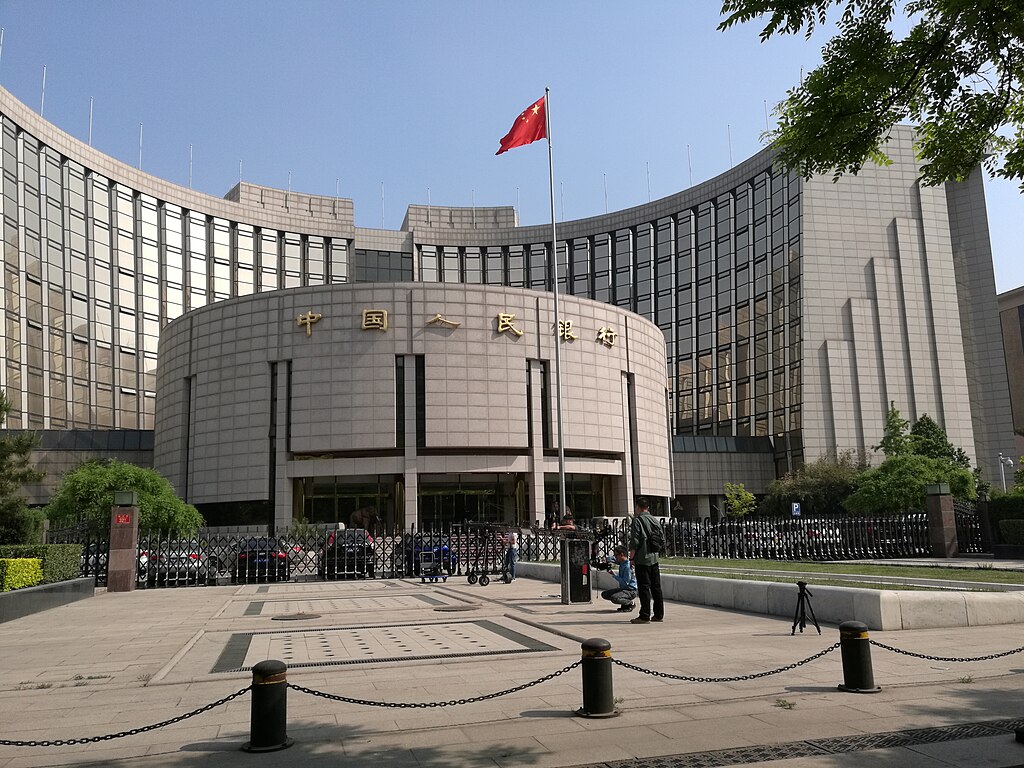
China’s central bank has taken fresh steps to manage the rapid appreciation of the yuan, signaling concern over the currency’s recent strength against the U.S. dollar. On Friday, the People’s Bank of China (PBOC) announced it will eliminate the 20% foreign exchange risk reserve requirement on certain forward contracts, reducing it to zero effective March 2. The move is designed to slow the yuan’s rally and encourage dollar buying in the foreign exchange market.
The decision follows the yuan’s climb to a near three-year high in onshore trading, fueled by strong exporter-driven dollar sales after China posted a record trade surplus last year. While the onshore yuan surged, the offshore yuan slipped about 0.2% after the announcement, reflecting market reaction to the policy shift.
Market analysts see the adjustment as a clear signal of central bank intervention. Yuan Tao, an analyst at Orient Futures, described the move as unexpected, noting it indicates the PBOC believes the yuan’s appreciation has been too rapid. By removing the FX risk reserve requirement, financial institutions will find it cheaper to purchase foreign exchange through forward contracts, potentially increasing demand for dollars and easing upward pressure on the renminbi.
The policy reverses a September 2022 measure, when the PBOC raised risk reserves to curb sharp yuan depreciation and capital outflows. According to the central bank, the latest adjustment aims to help enterprises better manage exchange rate risks while maintaining the renminbi’s stability at a “reasonable and balanced level.”
Experts suggest the move also reflects confidence in China’s currency outlook. Liu Yang of Zheshang Development Group noted it could release pent-up demand for dollar purchases, balancing market supply and demand. Meanwhile, economists point out that the yuan recorded its largest annual gain since 2020 last year, breaking past the key 7-per-dollar level. Despite a broadly stable U.S. dollar, strong market sentiment continues to support the renminbi, reinforcing expectations of long-term currency stability.







