


 Judge Dismisses Sam Altman Sexual Abuse Lawsuit, But Sister Can Refile
  Amazon's AWS Could Hit $600 Billion in Revenue as AI Reshapes Cloud Growth
  OpenAI Pulls the Plug on Sora, Ending $1 Billion Disney Partnership
  Elon Musk Confirms SpaceX, xAI, and Tesla Will Continue Large-Scale Nvidia Chip Orders
  Air Canada Express Plane Collides with Ground Vehicle at LaGuardia Airport
  Malaysia Semiconductor Industry Eyes Helium Supply Risks Amid Middle East Conflict
  SLMG Beverages Eyes Price Hikes Amid Rising Packaging Costs and India's Booming Soft Drink Market
  SK Hynix Eyes Up to $14 Billion U.S. IPO to Fund AI Chip Expansion
  SpaceX IPO Filing Expected This Week as Valuation Could Surpass $75 Billion
  Merck's $6 Billion Bid for Terns Pharma Signals Bold Oncology Push
  Trump White House Unveils National AI Policy Framework for Congress
  Meta Ties Executive Pay to Aggressive Stock Price Targets in Major Retention Push
  Goldman Sachs Raises ECB Rate Hike Forecast Amid Persistent Energy-Driven Inflation
  Jeff Bezos Eyes $100 Billion Fund to Transform Manufacturing With AI


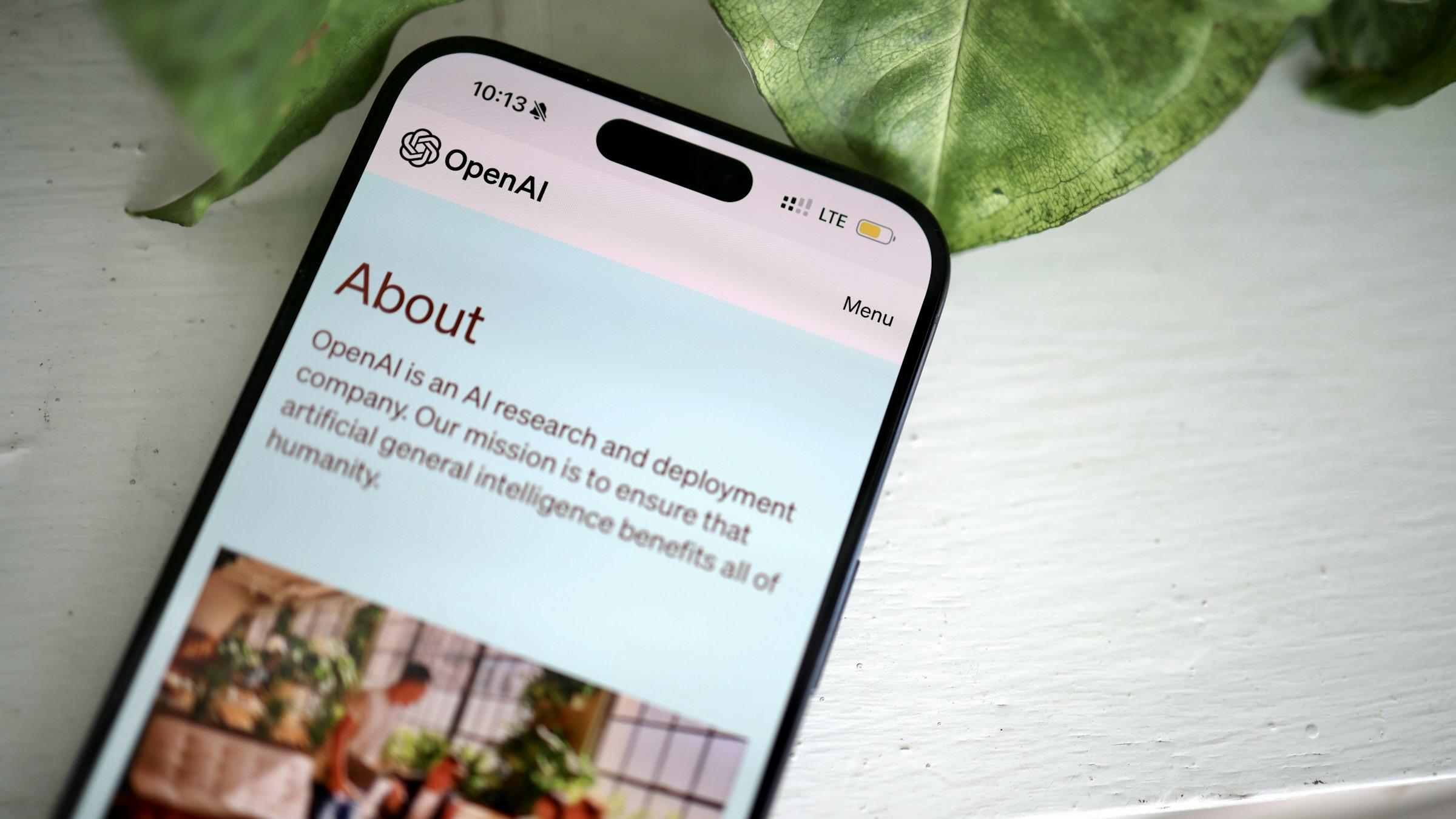
OpenAI CEO Sam Altman has revealed that the company might transition to a for-profit model. This move coincides with Elon Musk's recent dropping of his lawsuit against the AI firm.
OpenAI's Future Path: From Nonprofit to For-Profit
According to a report that was published on Friday by The Information, OpenAI CEO Sam Altman disclosed to a few shareholders that the company is contemplating adapting its governance structure to that of a for-profit organization that is not under the jurisdiction of the nonprofit board of directors.
According to the story, which cited a source who heard the remarks, Altman stated that the board is contemplating a for-profit benefit organization, which is a format that competitors like Anthropic and xAI are embracing.
According to The Information (via Reuters), the negotiations regarding the restructuring are fluid, and Altman and his other directors may finally opt to take a different strategy.
OpenAI's Commitment to Public Benefit
OpenAI issued the following statement in response to questions posed by Reuters regarding the report: "We remain focused on building AI that benefits everyone. The nonprofit is core to our mission and will continue to exist."
Ironically, Elon Musk dropped his lawsuit against ChatGPT developer OpenAI and CEO Sam Altman a few days ago, accusing them of forsaking the startup's initial objective of building artificial intelligence for humanity.
Elon Musk's Allegations and Legal Actions
The Guardian reports that in his lawsuit, Musk alleged that Altman and OpenAI had broken their agreement by turning into a for-profit company that cooperated with Microsoft and withheld its technology from the public.
Both OpenAI and Altman strongly rejected the allegations, claiming that no "founding agreement" existed and providing correspondence that seemed to indicate Musk was in favor of turning the company into a for-profit enterprise.
Also in March, OpenAI and Altman expressed their disappointment that "we're sad that it's come to this with someone whom we've deeply admired" on their blog, basically accusing Musk of professional jealousy.
Legal professionals were skeptical of Musk's lawsuit because they felt several of the assertions made in it, like that OpenAI had developed AI that could compete with human intelligence, did not make sense.
Photo: Solen Feyissa/Unsplash













