


 Apple Intelligence China Approval Lifts Alibaba and Baidu Shares
  DeepSeek Eyes $74 Billion Valuation Ahead of Planned China IPO
  US Stock Futures Hold Steady as Tesla, Alphabet Earnings and Iran Conflict Dominate Market Focus
  Nvidia Reveals 9.3% Stake in AI Cloud Firm Nebius Following $2 Billion Investment
  Belimo H1 Sales Surge as AI Data Center Cooling Drives More Than Half of Growth
  Judge Approves Anthropic’s $1.5 Billion AI Copyright Settlement With Authors
  Samsung Cuts U.S. Consumer Electronics Jobs as Headquarters Moves to Texas
  Sam Altman Admits OpenAI Missteps, Promises Major AI Comeback Focused on User Freedom
  Wistron Opens $700M Texas AI Factory to Build Nvidia GB300 Superchips
  US, China to Hold AI Talks Ahead of Xi’s September Visit
  ASEAN Ministers Warn Middle East Conflict Threatens Regional Stability and Energy Security
  Nike Shifts China Online Sales Strategy to Boost Brand and Fight Local Rivals
  Super Micro Computer Stock Jumps 20% After Record AI Orders and Margin Surge
  Australia ASIC Tightens Auditor Oversight After KPMG Leak Scandal
  Chalco Shares Jump as Chinalco Plans Up to $300 Million Stake Increase
  China Holds Loan Prime Rates Steady for 14th Month as Economic Recovery Remains Uneven
  Saudi Oil Tankers Reverse Course as Houthi Threats Disrupt Red Sea Shipping


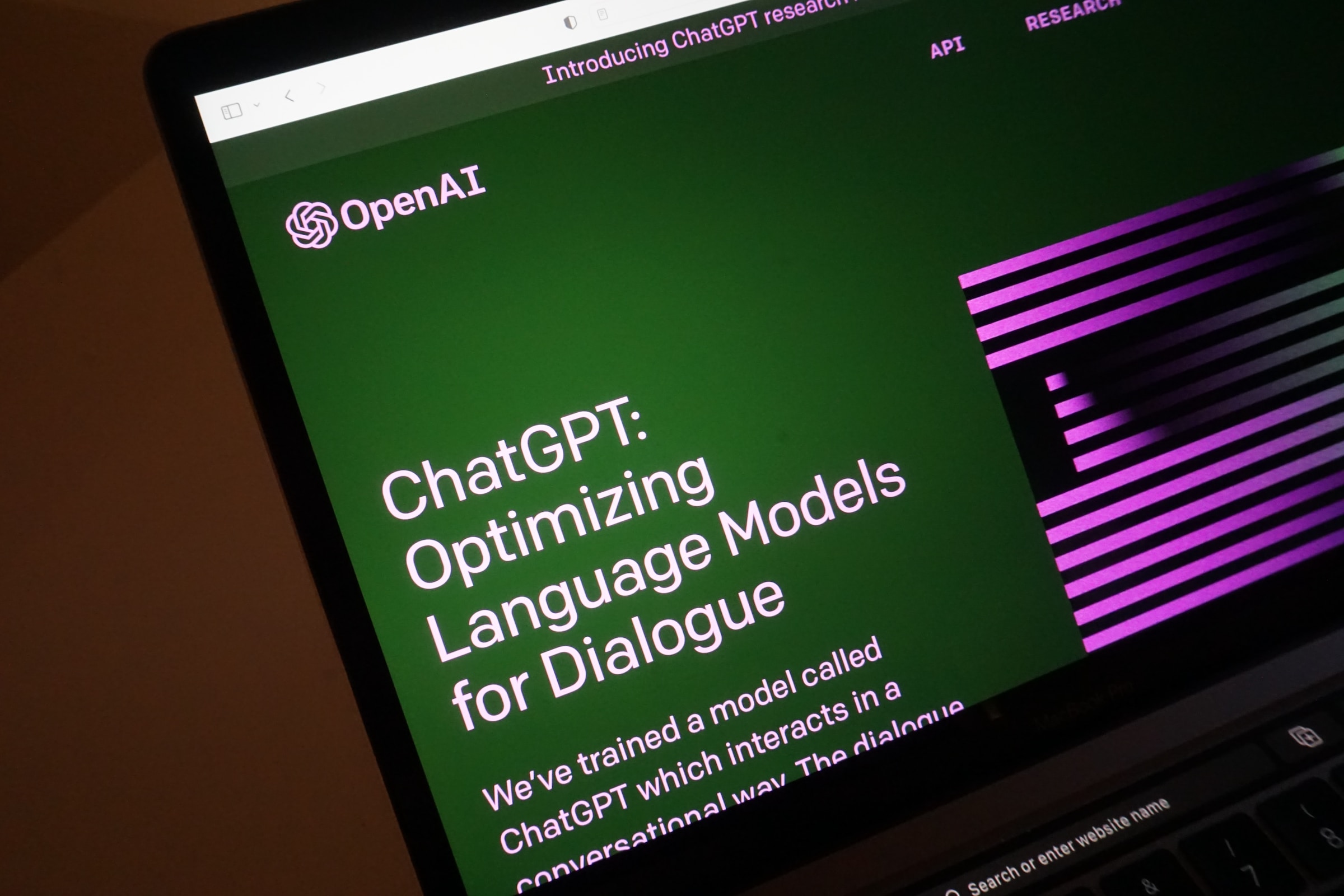
OpenAI announces a groundbreaking ChatGPT update, introducing voice comprehension, audible responses, and image processing. This significant enhancement redefines AI communication, elevating the user experience.
One of the key highlights of the update is the ability for users to engage in voice conversations with ChatGPT through the mobile app. Moreover, users can choose from five different synthetic voices to personalize their experience. Additionally, this update empowers users to share images with ChatGPT for analysis and focus highlighting.
These features will roll out for paying users over the next two weeks, with voice functionality limited to iOS and Android devices. Image processing capabilities will be available on all platforms.
Major players like Microsoft, Google, and Anthropic are locked in an AI arms race, vying to incorporate generative AI technology into consumers' daily lives. Google recently announced a series of updates to its Bard chatbot, while Microsoft integrated visual search capabilities into Bing.
OpenAI has garnered substantial support from its partners, most notably Microsoft, which invested an additional $10 billion into the company earlier this year. This sizable investment made it the biggest AI funding of the year. OpenAI's valuation stands between $27 billion and $29 billion, following a reported $300 million share sale in April. This funding round attracted prominent investors such as Sequoia Capital and Andreessen Horowitz.
Despite the exciting advancements, concerns about the emergence of AI-generated synthetic voices have been raised. While such voices provide a more natural interaction, they also raise the risk of deepfakes. Researchers and cyber threat actors have begun exploring how deepfakes can disrupt cybersecurity systems.
OpenAI has addressed these concerns in its announcement, emphasizing that synthetic voices were created in collaboration with voice actors rather than sourced from unidentified individuals. However, the release did not provide significant information regarding how OpenAI uses consumer voice inputs or safeguards user data.
OpenAI asserts that they do not retain audio clips and that these clips do not contribute to model improvements. However, the company acknowledges that transcriptions are considered inputs and may contribute to enhancing their large-language models.
Photo: Rolf van Root/Unsplash







