


 DOJ Will Investigate AI-Related Crimes, Attorney General Blanche Says
  Synthetic data could ease people’s concerns about privacy breaches. But who gets to create it?
  AI is supercharging money scams – here’s what you can do to protect yourself
  Cathie Wood Backs AI Slowdown as Safety Concerns Grow
  Bill Gates Warns Governments Are Unprepared for AI Disruption
  Databricks to Invest $350 Million in Singapore AI Expansion
  Big AI wants to slow down AI research. Is it a safety pause or a strategic retreat?
  Who should own the knowledge that underpins AI technology?
  Ex-Google DeepMind Researcher Warns AI Could Pose Existential Threat
  Cyber attacks? Bioterrorism? To ‘Pace the Frontier’ of AI effectively, we must improve our anticipatory thinking
  Trump Rejects Calls for Tougher AI Regulation
  China’s Global Times Slams Anthropic CEO’s AI Slowdown Plan as ‘Cold War’ Strategy
  Qualcomm Gains on $60B Amazon AI Chip Deal
  Nvidia CEO Jensen Huang Expected at Trump-Xi State Dinner
  Europe can’t achieve space sovereignty alone. Here’s why
  Rosenblatt Starts Nokia at Buy on AI Networking Growth


 Add as a preferred source on Google
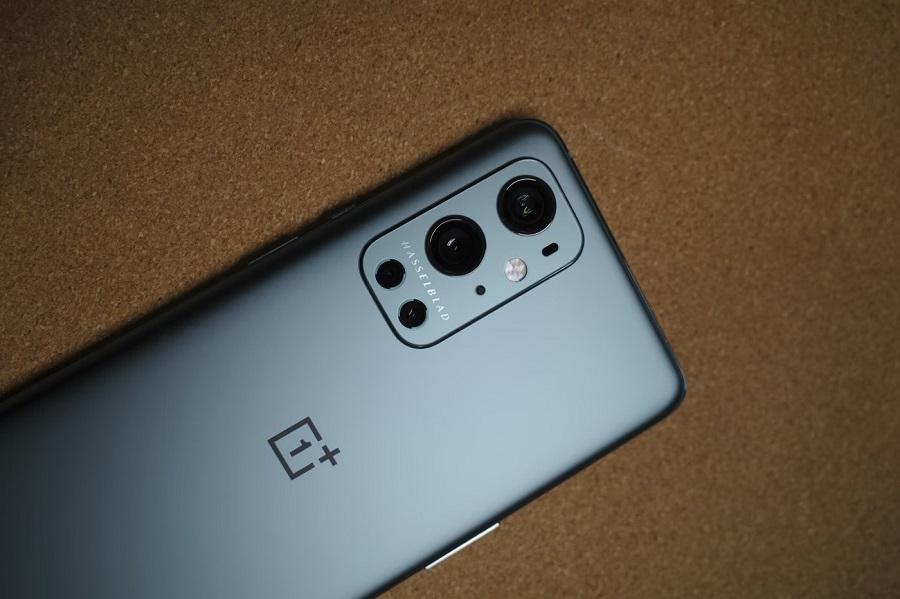
To those waiting for the OnePlus 9T, it is time to reconsider their smartphone upgrade plans. The company recently announced the device is not in the pipeline.
For years, OnePlus has had two major smartphone launch events per year, one in the first half and the other sometime in the fall. The latter was usually focused on announcing the T-series phones with a few upgrades from the flagship devices released earlier in the year.
In 2020, there was a significant change in OnePlus plans when the company released only one OnePlus 8T model. This year, the change has gotten even bigger.
OnePlus CEO Pete Lau said during a roundtable interview (via The Verge), “This year we will not be launching a T-series product.” This is the first time OnePlus is not launching a T-series phone since 2016.
Last July, OnePlus announced that it will “leverage [its] shared resources with Oppo.” But it is unclear if the cancellation of the OnePlus T-series phone this year was one of the effects of that organizational change. And whether or not this will be the same company’s strategy in 2022 and beyond is still unknown.
One of the clear outcomes of that announcement, though, was the integration of OnePlus’ OxygenOS with Oppo’s ColorOS. And with the cancellation of the OnePlus 9T, the merged Android skin is now anticipated to launch in 2022.
The unified platform was also tackled during the recent interview. Lau assured OnePlus fans that the familiar design of OxygenOS specifically made for OnePlus phones will be retained. The OnePlus CEO said the merged OS will feature a “clean and lightweight” appearance and will continue to support bootloader unlocking. “I believe that the unified operating system will keep the DNA of OxygenOS that many of you love so much, while also giving you an upgraded experience overall,” Lau added.
The company also confirmed that its 2022 flagship, most likely to be named OnePlus 10, will be the first to run the integrated OS. OnePlus also plans to complete the merged OS rollout worldwide within 2022.
When OnePlus announced the merging of OxygenOS and ColorOS, the company also unveiled a new software lifecycle for its devices. For one, its flagship product line -- including T-series and R-series -- will get three major Android upgrades and four years of security updates.
Photo by Izzy Jiang on Unsplash







