


 New York Legalizes Medical Aid in Dying for Terminally Ill Patients
  Nicaragua Ends Visa-Free Entry for Cubans, Disrupting Key Migration Route to the U.S.
  U.S. Lawmakers to Review Unredacted Jeffrey Epstein DOJ Files Starting Monday
  Bangladesh Election 2026: A Turning Point After Years of Political Suppression
  Japan Election 2026: Sanae Takaichi Poised for Landslide Win Despite Record Snowfall
  Trump Lifts 25% Tariff on Indian Goods in Strategic U.S.–India Trade and Energy Deal
  Anutin’s Bhumjaithai Party Wins Thai Election, Signals Shift Toward Political Stability
  Japan’s Prime Minister Sanae Takaichi Secures Historic Election Win, Shaking Markets and Regional Politics
  Trump Slams Super Bowl Halftime Show Featuring Bad Bunny
  Ghislaine Maxwell to Invoke Fifth Amendment at House Oversight Committee Deposition
  Trump Signs Executive Order Threatening 25% Tariffs on Countries Trading With Iran
  India–U.S. Interim Trade Pact Cuts Auto Tariffs but Leaves Tesla Out
  Pentagon Ends Military Education Programs With Harvard University
  Sydney Braces for Pro-Palestine Protests During Israeli President Isaac Herzog’s Visit
  China Warns US Arms Sales to Taiwan Could Disrupt Trump’s Planned Visit
  Trump Backs Nexstar–Tegna Merger Amid Shifting U.S. Media Landscape
  Trump Congratulates Japan’s First Female Prime Minister Sanae Takaichi After Historic Election Victory


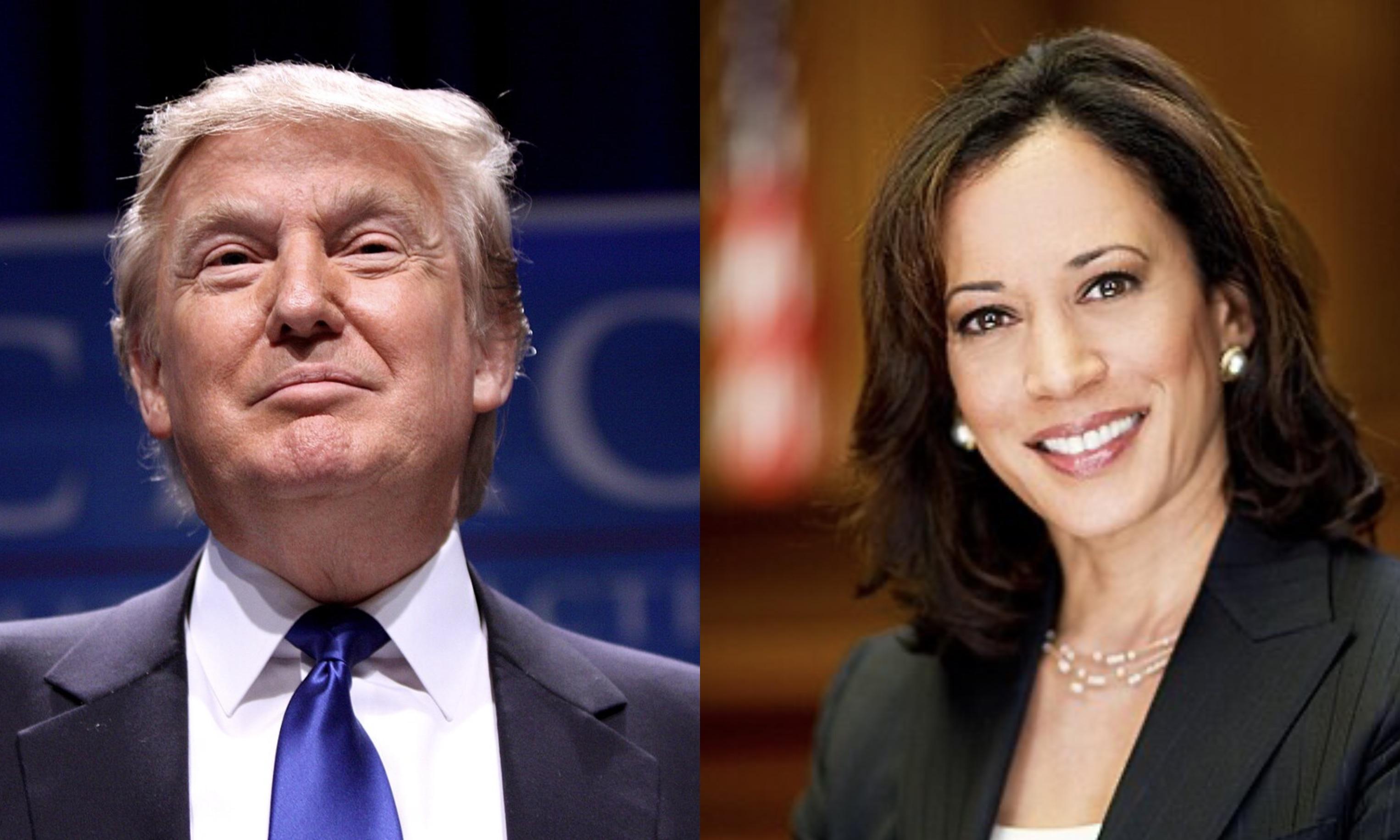
Oklahoma has announced the removal of more than 453,000 ineligible voters from its voter rolls as of September 19, 2024, a move aimed at ensuring voter integrity ahead of the upcoming presidential election. This large-scale effort, which began in 2021, is part of a broader initiative to maintain accurate and up-to-date voter rolls in the state. The purging of such a significant number of voters has sparked both praise for bolstering election security and concerns over potential disenfranchisement as the 2024 election draws near.
The removal of ineligible voters—those who have died, moved out of state, or become otherwise disqualified from voting—is a routine process carried out by state election boards across the country. However, the scale of Oklahoma’s recent purge has attracted attention, with critics and supporters debating the long-term effects of such actions on voter participation and election outcomes. Officials in Oklahoma have maintained that the removals are part of an ongoing effort to protect the integrity of the state’s electoral system.
The purging of voter rolls is designed to prevent voter fraud, ensuring that only eligible voters participate in elections. This process involves cross-referencing voter information with national databases, identifying voters who may have registered in multiple states or those who have passed away. Oklahoma’s latest purge is part of a nationwide push to safeguard the 2024 election, with states taking action to clean up their voter databases ahead of one of the most closely watched elections in recent history.
While the intent behind the removal of ineligible voters is to maintain the credibility of the electoral process, the effort has sparked criticism from some voting rights advocates. They argue that purges, if not handled carefully, can inadvertently disenfranchise eligible voters, particularly those from vulnerable communities. Concerns have been raised that eligible voters could be mistakenly removed from the rolls due to clerical errors or outdated information, leading to confusion and possible delays at the polls.
On the other hand, proponents of the voter roll purge see it as a necessary step to prevent fraud and ensure a fair election. They argue that cleaning up the voter rolls not only prevents double voting and other forms of voter fraud but also streamlines the voting process by ensuring that only those who are eligible remain on the rolls. Election officials in Oklahoma have emphasized the importance of keeping the voter registration process transparent and accessible, encouraging voters to check their status ahead of the 2024 election.
Oklahoma’s move comes as election security remains a top issue in the political landscape. With the 2024 presidential election shaping up to be one of the most contentious in recent memory, both Democrats and Republicans are focusing on election integrity. Voter roll maintenance is expected to be a key part of that discussion, with states across the country looking to balance the need for secure elections with the protection of voting rights.
As Oklahoma gears up for the next election cycle, the removal of over 453,000 voters will likely remain a focal point of debate. The success of this initiative, in terms of ensuring both security and access, could serve as a model—or a warning—for other states looking to implement similar measures ahead of the 2024 election.
EconoTimes cannot independently verify the exact number of voters removed or the specific reasons behind their disqualification. The figures and details provided reflect official state reports and are subject to further clarification.













