


 Wall Street Slides as Iran War Uncertainty, Oil Surge, and AI Fears Rattle Markets
  Australia-EU Free Trade Deal Signed After Years of Negotiations
  Oil Prices Plunge Over 6% as Middle East Ceasefire Hopes Ease Supply Fears
  ECB Eyes Rate Hike Amid Iran Conflict-Driven Energy Price Surge
  Oil Prices Rebound as Iran Denies U.S. Talks Amid Gulf War Supply Fears
  Asian Currencies Weaken as Dollar Rebounds Amid Middle East Uncertainty and Japan Inflation Data
  Gold Prices Surge on U.S.-Iran Ceasefire Reports
  Trump Tariffs Show Minimal Economic Impact but Boost Federal Revenue, Study Finds
  Currency Markets Show Caution Amid U.S.-Iran Negotiations
  U.S. Oil Prices Slide as Middle East Ceasefire Talks Spark Market Optimism
  Japan's Private Sector Growth Slows in March Amid Rising Costs and Middle East Uncertainty
  Asian Stocks Gain Amid Iran Conflict Uncertainty
  Asian Currencies Stay Muted as Dollar Holds Firm Amid Iran Uncertainty
  U.S. Futures Slide as Iran Denies Nuclear Talks with Washington
  Oil Prices Climb as Iran Reviews U.S. Peace Proposal Amid Middle East Tensions
  Middle East War Rattles Global Markets as Oil Tops $100 and Dollar Surges
  WTO Reform Talks Begin in Cameroon Amid Global Trade Tensions


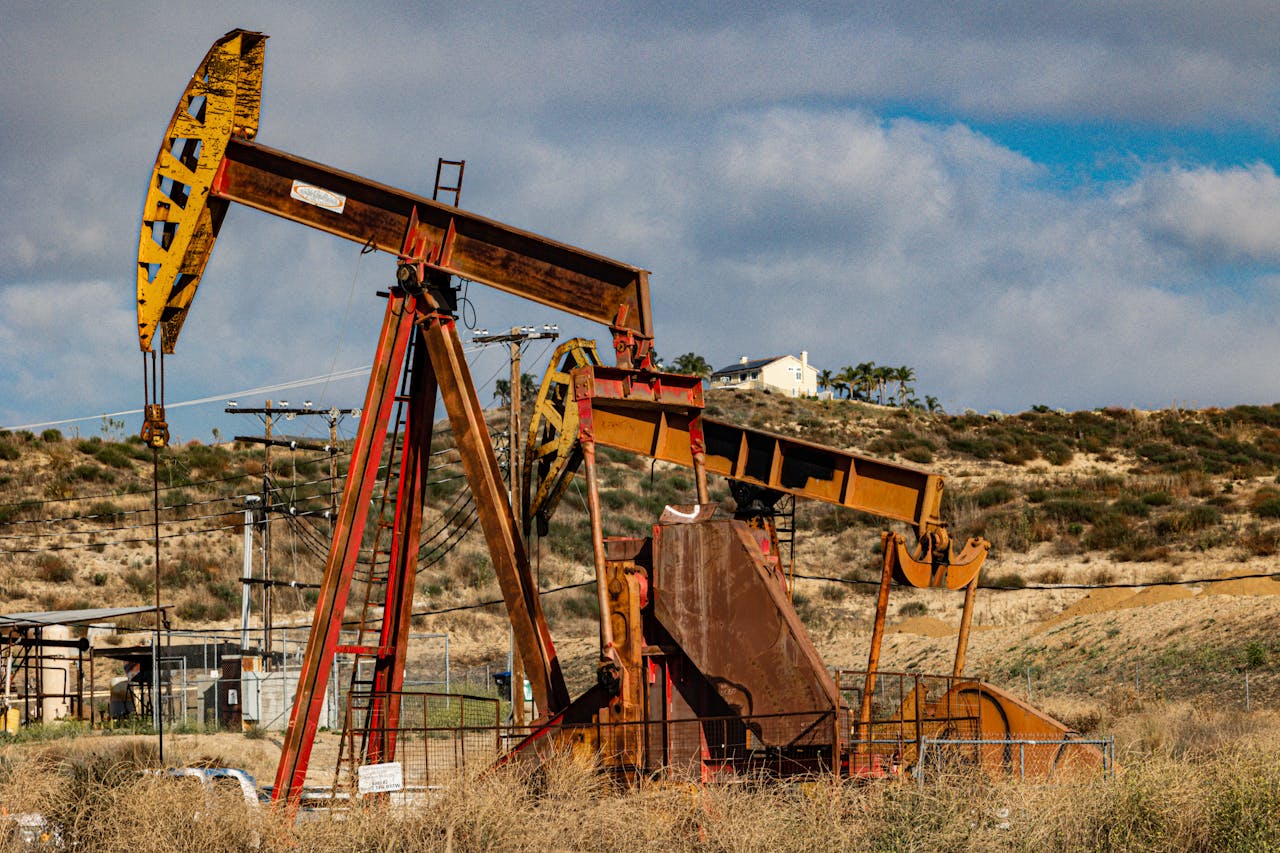
Oil prices drifted lower in Asian trading on Wednesday as rising U.S. crude inventories and anticipation surrounding upcoming U.S. sanctions on major Russian oil companies added pressure to the market. Brent oil futures for January eased 0.4% to $64.61 per barrel, while West Texas Intermediate (WTI) crude also slipped 0.4% to $60.51. The slight pullback followed a more than 1% jump on Tuesday after Russia’s Novorossiysk port resumed oil loadings following a two-day shutdown caused by a Ukrainian attack.
Fresh data from the American Petroleum Institute indicated a significant build in U.S. crude stockpiles, with inventories rising by 4.4 million barrels for the week ending November 18—more than triple the previous week’s increase. Early signals suggested that gasoline and distillate inventories may have climbed as well, reinforcing concerns of an emerging supply overhang heading into early 2026. Analysts noted that while production remains elevated globally, demand growth may not keep pace, potentially leaving the market oversupplied. ING analysts described the report as “relatively bearish” but emphasized that traders are now awaiting the U.S. Energy Information Administration’s official inventory figures, which are often more influential in market movements.
At the same time, traders are closely watching the impending U.S. sanctions on Russia’s Rosneft and Lukoil, set to take effect on November 21. These measures will restrict access to U.S.-dollar financing and limit transactions with the companies, raising concerns about potential disruptions to Russian diesel and crude supply. Analysts noted that fears over tightening Russian supply—amplified by Ukrainian attacks on Russian refineries—continue to support market sentiment despite the broader bearish inventory data.
Adding a geopolitical twist, an Axios report suggested that the Trump administration has been quietly coordinating with Moscow on a proposal to end the war in Ukraine. Any diplomatic breakthrough could reshape global oil supply expectations, reduce the geopolitical risk premium, and potentially weigh on crude prices in the months ahead.













