


 Citi Sees Signs of Shift in Global Currency Policy
  Bessent Urges G20 to Rethink China Trade Ties
  Bessent Says Yen Moves Contained as BOJ Rate Decision Looms
  Wall Street Slips as Warsh’s Hawkish Fed Speech Rattles Markets
  Canadian Dollar Slides as Fed Rate Hike Bets Boost US Dollar
  Gold Prices Rebound as Fed Rate Hike Bets Rise
  Fed Chair Warsh Faces Key Jackson Hole Test
  Asian Stocks Fall as Fed Rate Hike Bets and Iran Conflict Rattle Markets
  Asian Stocks Slide as U.S.-Iran Fighting Lifts Oil Prices
  Asian Currencies Mixed as Yen Nears 160, Oil Surges
  US Stock Futures Fall as Iran Strikes, Fed Rate Fears Rise
  Tokyo Inflation Rises in August as BOJ Rate Hike Bets Grow
  UAE Central Bank Probes Banque Misr Over Iran Links
  France Inflation Accelerates to 2.7% in August
  Japan Industrial Output, Retail Sales Beat Forecasts in July
  Asian Tech Stocks Slide as Fed Rate Hike Bets Rise


 Add as a preferred source on Google
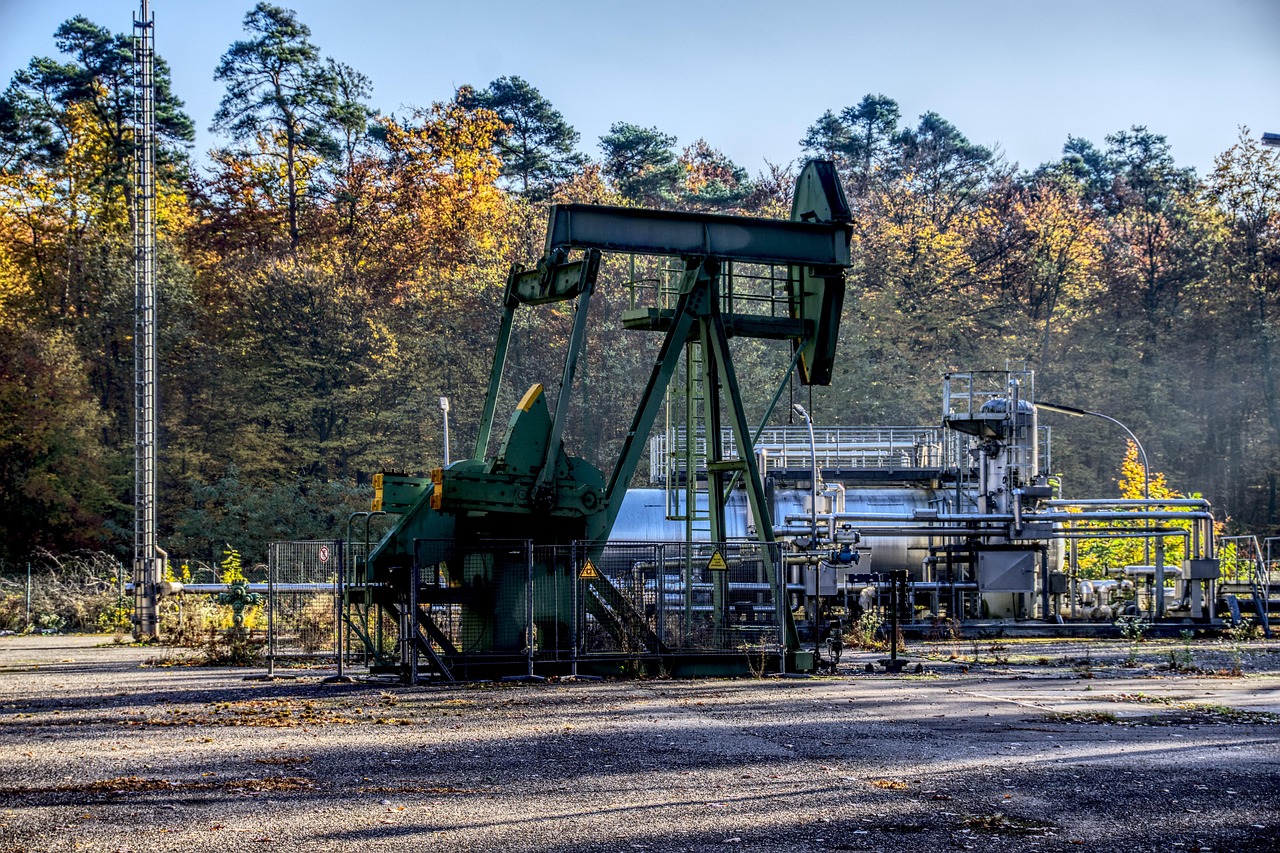
Oil prices climbed sharply during Asian trading on Monday as renewed U.S.-Iran military tensions raised concerns about potential disruptions to crude shipments through the Strait of Hormuz, one of the world’s most important energy routes.
As of 00:53 ET (04:53 GMT), November Brent crude futures rose 2.5% to $90.28 per barrel, while West Texas Intermediate (WTI) crude futures gained 2.2% to $85.24 a barrel.
The rally followed U.S. strikes on two Iranian launchers on Larak Island on Sunday, marking the first known American military action against Iran since late July. The island sits near the strategically important Strait of Hormuz.
According to a U.S. official, Islamic Revolutionary Guard Corps personnel were preparing to fire rockets carrying sea mines into the waterway before the American operation.
Tensions intensified after Iran reportedly launched missiles toward U.S. forces stationed in Jordan in apparent retaliation. Fox News, citing a U.S. source, reported that nearly all incoming missiles were intercepted and that no significant impact had been recorded.
ING analysts said the outlook for crude oil prices will largely depend on whether the latest confrontation triggers additional strikes and makes shipping companies more reluctant to navigate the Strait of Hormuz.
Regional oil producers had recently become more comfortable moving crude through the chokepoint, with approximately 5 million barrels per day passing through the strait on average. A fresh escalation, however, could place those energy flows at risk and increase the geopolitical risk premium in oil markets.
Crude prices have remained highly sensitive to the Middle East conflict this year. Brent has repeatedly fluctuated as investors assessed military developments, U.S.-Iran ceasefire prospects and the possibility of a sustained recovery in Hormuz shipping.
Earlier in August, uncertainty surrounding a potential U.S.-Iran peace agreement helped push Brent to its highest closing level since late July as Tehran maintained restrictions on the strait.
Traders are also watching U.S. supply policy after President Donald Trump said Washington would begin replenishing the Strategic Petroleum Reserve with crude obtained through a new agreement with Venezuela.







