


 Global Markets Slide as AI, Crypto, and Precious Metals Face Heightened Volatility
  Thailand Inflation Remains Negative for 10th Straight Month in January
  Russian Stocks End Mixed as MOEX Index Closes Flat Amid Commodity Strength
  Bank of Japan Signals Readiness for Near-Term Rate Hike as Inflation Nears Target
  South Korea’s Weak Won Struggles as Retail Investors Pour Money Into U.S. Stocks
  Oil Prices Slide on US-Iran Talks, Dollar Strength and Profit-Taking Pressure
  Vietnam’s Trade Surplus With US Jumps as Exports Surge and China Imports Hit Record
  U.S.-India Trade Framework Signals Major Shift in Tariffs, Energy, and Supply Chains
  India–U.S. Interim Trade Pact Cuts Auto Tariffs but Leaves Tesla Out
  Dow Hits 50,000 as U.S. Stocks Stage Strong Rebound Amid AI Volatility
  China Extends Gold Buying Streak as Reserves Surge Despite Volatile Prices
  Gold and Silver Prices Rebound After Volatile Week Triggered by Fed Nomination
  Japan Economy Poised for Q4 2025 Growth as Investment and Consumption Hold Firm
  Silver Prices Plunge in Asian Trade as Dollar Strength Triggers Fresh Precious Metals Sell-Off
  Asian Stocks Slip as Tech Rout Deepens, Japan Steadies Ahead of Election
  Trump Lifts 25% Tariff on Indian Goods in Strategic U.S.–India Trade and Energy Deal


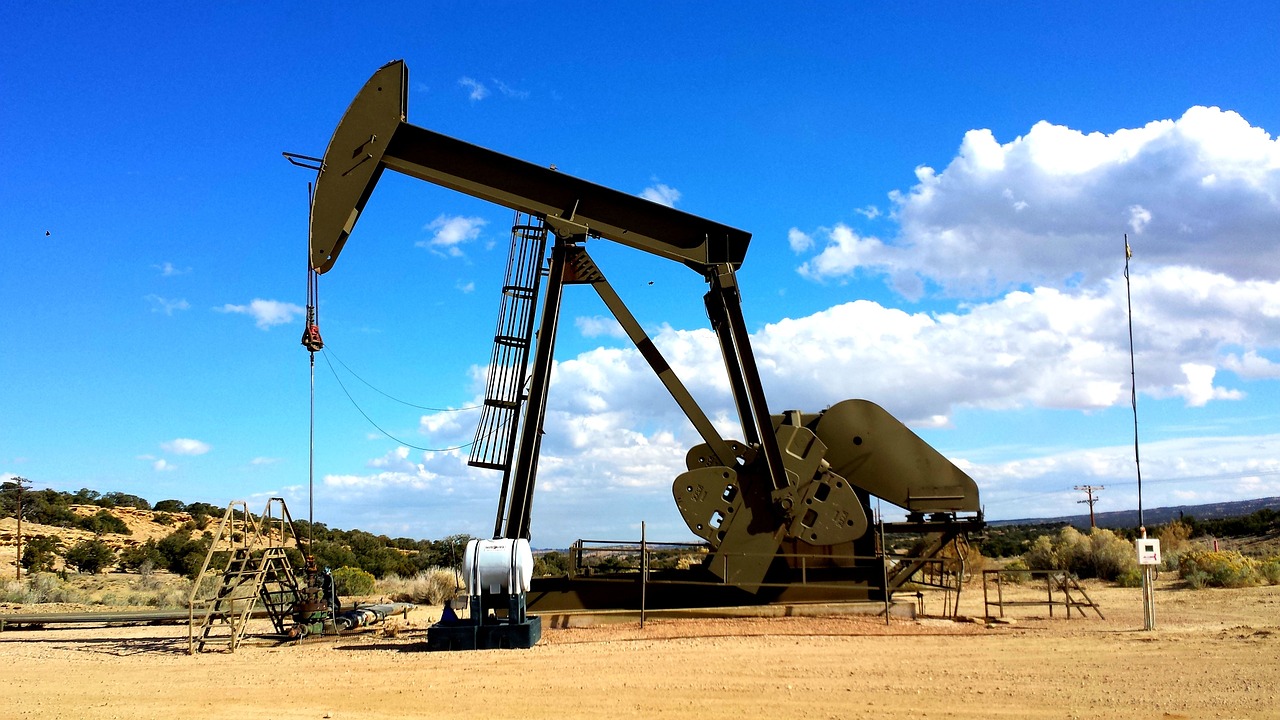
Oil prices experienced a slight increase in early trading on Wednesday, driven by ongoing uncertainties in the Middle East conflict. This comes after a significant decline the previous day, where demand concerns led to prices hitting their lowest levels since early October.
Current Oil Price Trends
As of 0250 GMT, Brent crude futures rose by 14 cents (0.2%) to $74.39 per barrel, while U.S. West Texas Intermediate (WTI) crude increased by 19 cents (0.3%) to $0.77 per barrel. On Tuesday, oil prices had plummeted over 4%, reaching a near two-week low, primarily due to a weaker demand outlook and reports indicating that Israel would refrain from striking Iranian nuclear and oil facilities, alleviating fears of a potential supply disruption.
Geopolitical and Economic Factors Impacting Oil Prices
Despite this reprieve, concerns remain about escalating tensions between Israel and Iran-backed Hezbollah. The U.S. government expressed its opposition to Israel's recent airstrikes in Beirut, underscoring the delicate geopolitical landscape that could affect oil supply.
Market strategist Yeap Jun Rong from IG noted, "Following the recent retracement in prices, we may expect some stabilization as market participants reassess geopolitical developments."
Furthermore, uncertainties surrounding China's fiscal policy contribute to the demand outlook. Local reports suggest that China may issue an additional 6 trillion yuan ($850 billion) in special treasury bonds over three years to stimulate its struggling economy, but this has not yet positively impacted sentiment in the stock market.
Forecasts and Inventory Data
Both the Organization of the Petroleum Exporting Countries (OPEC) and the International Energy Agency (IEA) have revised their global oil demand growth forecasts for 2024 downwards, with China being a significant factor in these adjustments.
Traders will be closely monitoring U.S. oil inventory data, with the American Petroleum Institute's report expected later today and the Energy Information Administration's data due Thursday. Analysts anticipate an increase of approximately 1.8 million barrels in crude stockpiles for the week ending October 11.













